Best Parks in New York City
18 New York City parks compared by borough, size, year opened and who runs them, from the 2,800-acre Staten Island Greenbelt to 2.4-acre Little Island. Read our take
At a glance
| Option | Borough | Park type | Size | Year opened | Managed by | Address |
|---|---|---|---|---|---|---|
| Manhattansource | Landscaped parksource | 843source | 1858source | NYC Parks with a nonprofit partnersource | 830 Fifth Avenue, New York, NY 10065source | |
| Brooklynsource | Landscaped parksource | 526source | 1867source | NYC Parks with a nonprofit partnersource | 95 Prospect Park West, Brooklyn, NY 11215source | |
| Manhattansource | Elevated or island parksource | 2009source | NYC Parks with a nonprofit partnersource | 820 Washington Street, New York, NY 10014source | ||
| Brooklynsource | Waterfront parksource | 85source | 2010source | Park trust or corporationsource | 334 Furman Street, Brooklyn, NY 11201source | |
| Queenssource | Large recreation parksource | 897source | 1939source | NYC Parkssource | 6 Olmsted Drive, Queens, NY 11368source | |
| Manhattansource | Urban squaresource | 9.6source | 1847source | Privately managedsource | 476 Fifth Avenue, New York, NY 10018source | |
| Manhattansource | Urban squaresource | 9.75source | 1849source | NYC Parkssource | Fifth Avenue and Washington Square North, New York, NY 10011source | |
| Manhattansource | Elevated or island parksource | 172source | 2005source | Park trust or corporationsource | 10 South Street, New York, NY 10004source | |
| Manhattansource | Waterfront parksource | 550source | 1998source | Park trust or corporationsource | 353 West Street, New York, NY 10014source | |
| Manhattansource | Waterfront parksource | 253.17source | 1872source | NYC Parks with a nonprofit partnersource | 475 Riverside Drive, New York, NY 10115source | |
| Manhattansource | Landscaped parksource | 67source | 1935source | NYC Parks with a nonprofit partnersource | 99 Margaret Corbin Drive, New York, NY 10040source | |
| Bronxsource | Large recreation parksource | 2,772source | 1888source | NYC Parkssource | 895 Shore Road, Bronx, NY 10464source | |
| Bronxsource | Large recreation parksource | 1,146source | 1888source | NYC Parks with a nonprofit partnersource | 6036 Broadway, Bronx, NY 10471source | |
| Staten Islandsource | Forest and natural areassource | 2,800source | 1984source | NYC Parks with a nonprofit partnersource | 700 Rockland Avenue, Staten Island, NY 10314source | |
| Manhattansource | Waterfront parksource | 25source | NYC Parks with a nonprofit partnersource | State Street and Battery Place, New York, NY 10004source | ||
| Queenssource | Waterfront parksource | 12source | 1998source | New York State Parkssource | 4-09 47th Road, Long Island City, NY 11101source | |
| Manhattansource | Forest and natural areassource | 196source | 1926source | NYC Parkssource | Dyckman Street and Payson Avenue, New York, NY 10034source | |
| Manhattansource | Elevated or island parksource | 2.4source | 2021source | Pier 55, Hudson River Park, Manhattan, NY 10014source |






Our take
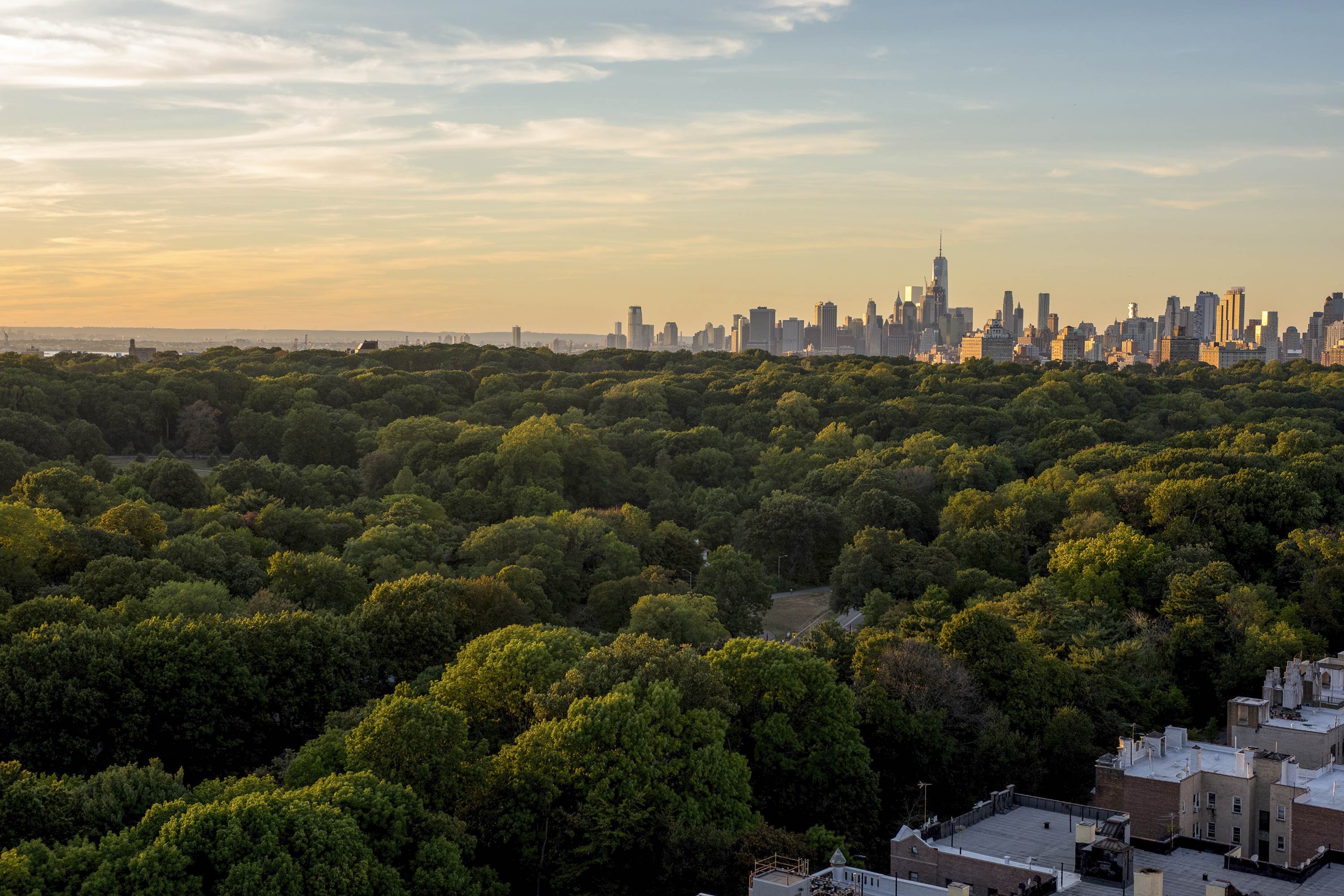
If you have time for one park, make it Central Park: 843 acres opened in 1858 as the first landscaped park in the United States, run by the Central Park Conservancy with NYC Parks. If you want the most room, Pelham Bay Park in the Bronx is the largest single park in the city at 2,772 acres, more than three times Central Park's size, with Orchard Beach, two golf courses and nature trails.
The real split in this list is age and setting. The big inland parks, Central Park, Prospect Park, Van Cortlandt Park and Pelham Bay Park, all opened between 1858 and 1888. The waterfront and island parks are new: Hudson River Park and Gantry Plaza State Park in 1998, Governors Island in 2005, the High Line in 2009, Brooklyn Bridge Park in 2010 and Little Island in 2021. The old parks suit a long day of lawns, lakes and sports; the new ones suit a walk with harbor and skyline views.
Our picks
- Best first visit: Central Park. 843 acres, opened in 1858, and the first landscaped park in the United States.
- Most room in one park: Pelham Bay Park. At 2,772 acres it is the largest single park in the city, with a beach and two golf courses.
- Best for woods and trails: Staten Island Greenbelt. 2,800 acres of connected forest and natural areas across central Staten Island.
- Best island day out: Governors Island. A 172-acre island in New York Harbor, open to the public since 2005 and reached only by ferry.
- Best East River waterfront: Brooklyn Bridge Park. 85 acres on the Brooklyn side of the East River, with its first pier opened in 2010.
The biggest parks are outside Manhattan
Four parks here are bigger than Central Park's 843 acres, and none of them is in Manhattan: the Staten Island Greenbelt at 2,800 acres, Pelham Bay Park at 2,772, Van Cortlandt Park at 1,146 and Flushing Meadows–Corona Park at 897. The Greenbelt is a chain of connected parks such as High Rock Park and LaTourette Park, which is why Pelham Bay Park is still called the city's largest single park.
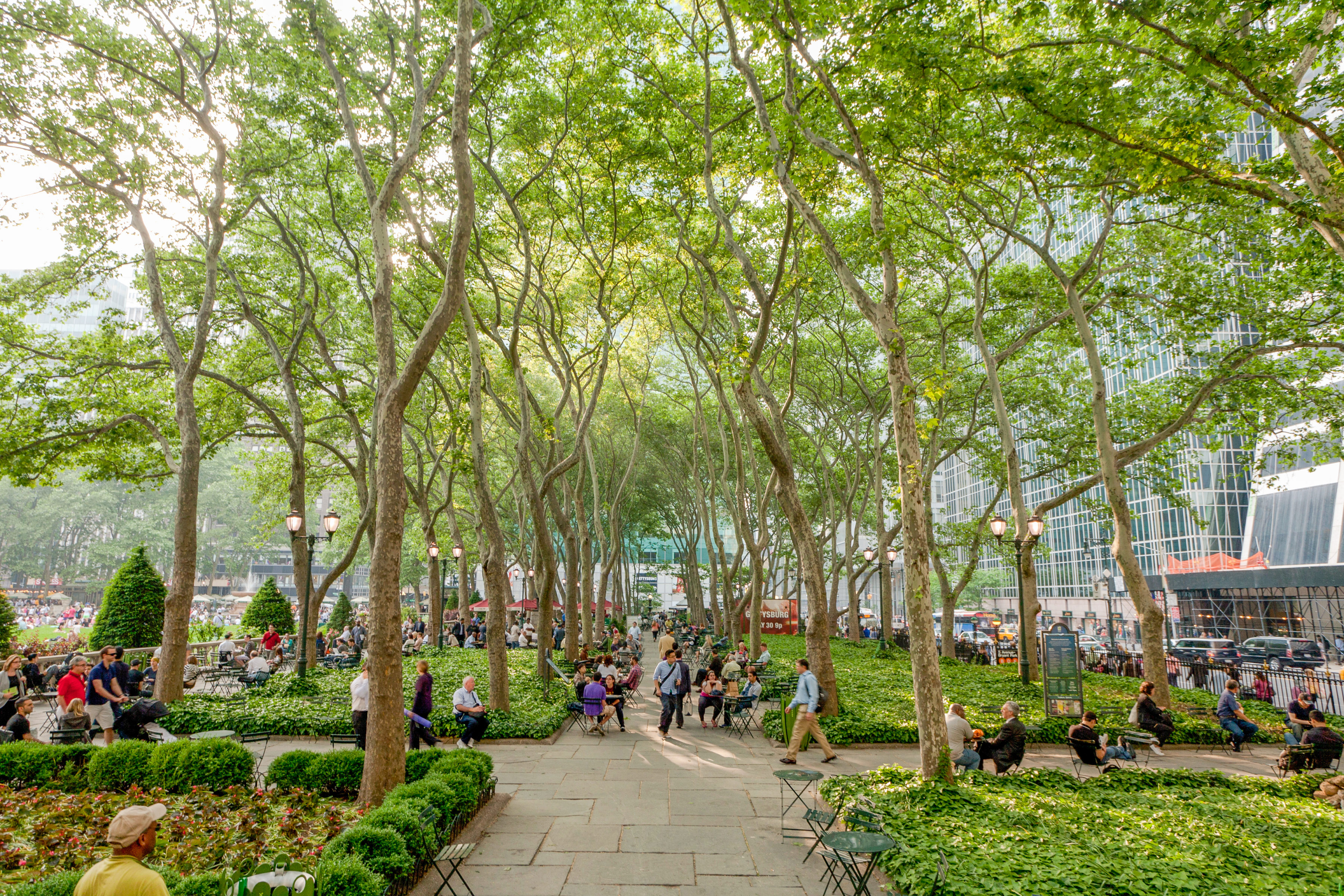
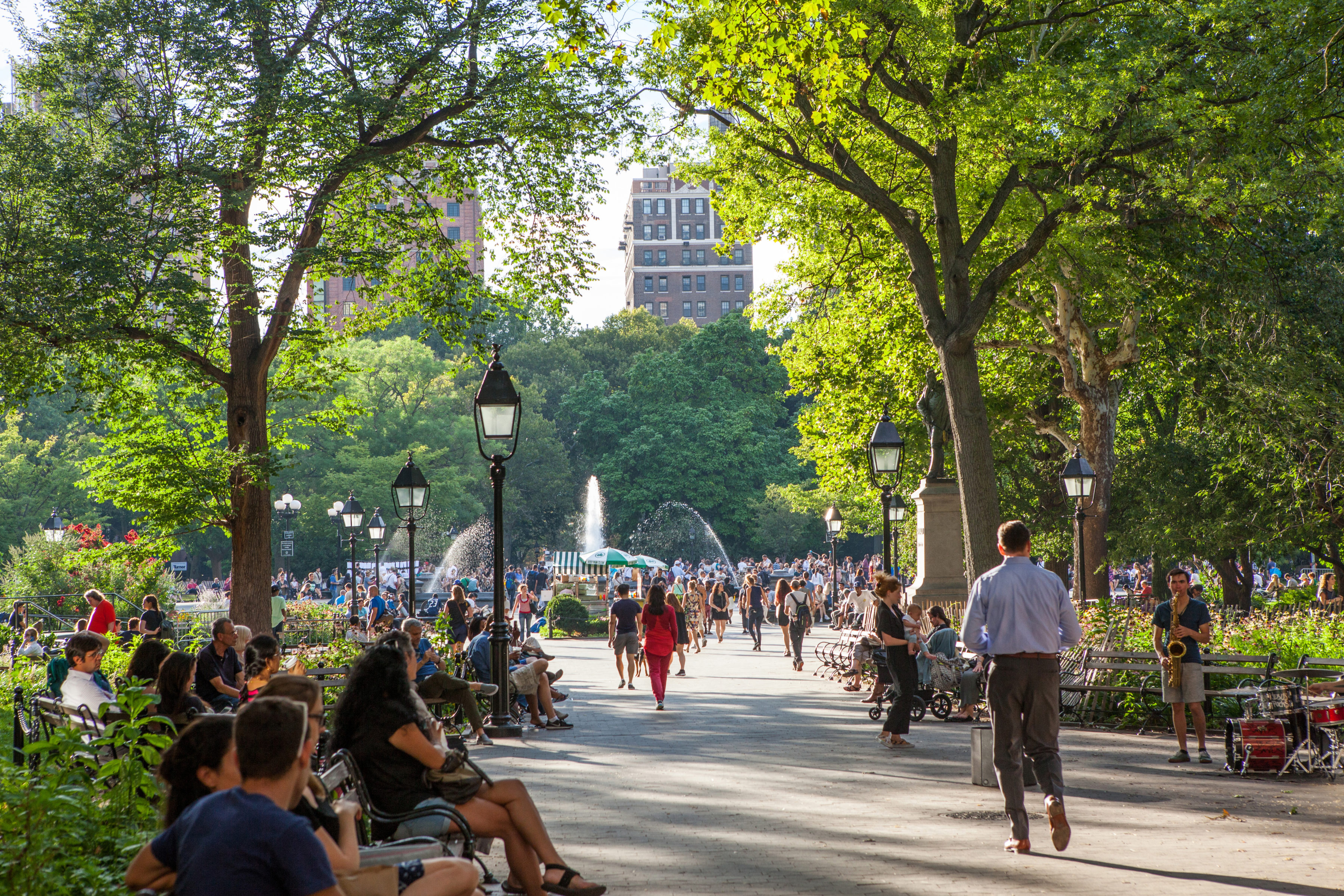
Manhattan's best-known small parks are a different kind of place. Bryant Park covers 9.6 acres and Washington Square Park 9.75, both urban squares built for sitting, people-watching and events rather than long walks.
Waterfront parks built since 1998
Six parks on this list opened in 1998 or later, all on the water or above it: Hudson River Park and Gantry Plaza State Park (1998), Governors Island (2005), the High Line (2009), Brooklyn Bridge Park (2010) and Little Island (2021). Three of them are run by a dedicated trust or corporation rather than the city parks department: the Brooklyn Bridge Park Corporation, the Trust for Governors Island and Hudson River Park's state public-benefit corporation. Gantry Plaza is the one state park in the set.
Hudson River Park's 550 acres include 400 acres of the river itself, protected as an estuarine sanctuary, so its land area is far smaller than the number suggests.
Little Island, the newest, is a 2.4-acre park raised on concrete supports off Pier 55, inside Hudson River Park and reached by footbridges at 13th and 14th Streets. It is the smallest park here, a stop on a West Side walk rather than a day out.
Old-growth forest inside the city
Inwood Hill Park, 196 acres at the northern tip of Manhattan and open since 1926, holds the largest remaining old-growth forest on the island and is mostly wooded, unlandscaped hills. Van Cortlandt Park in the Bronx adds old-growth forest, five major hiking trails and Van Cortlandt Lake, and the Staten Island Greenbelt is the largest stretch of trails and wetlands in the set.
The options in detail
Central Park
The city's best-known park and the first landscaped park in the United States, laid out by Frederick Law Olmsted and Calvert Vaux on their Greensward Plan. It runs between the Upper West Side and Upper East Side and draws an estimated 42 million visits a year, the most of any urban park in the country. The Central Park Conservancy, a nonprofit, has run day-to-day care under a city contract since 1998.
Prospect Park
Brooklyn's big landscaped park, designed by Olmsted and Vaux after Central Park and opened in 1867. Its highlights include the 90-acre Long Meadow, the Boathouse, the Prospect Park Zoo and Brooklyn's only lake. It sits between Park Slope, Prospect Heights, Flatbush and other neighborhoods, next to the Brooklyn Museum and the Brooklyn Botanic Garden.
The High Line
A 1.45-mile elevated park built on an abandoned freight rail spur on Manhattan's West Side, running from Gansevoort Street in the Meatpacking District through Chelsea to 34th Street. Its planting was designed by Piet Oudolf, and it hosts art installations and performances along the way. It is a linear walk rather than a place to spread out on a lawn.
Brooklyn Bridge Park
A waterfront park on a former industrial stretch of the Brooklyn shore, running 1.3 miles from Atlantic Avenue past the Brooklyn Bridge to beyond the Manhattan Bridge. Its piers hold playgrounds, sports fields and lawns facing the Lower Manhattan skyline. Part of its upkeep is paid for by residential buildings inside the park, which was the subject of lawsuits.
Flushing Meadows–Corona Park
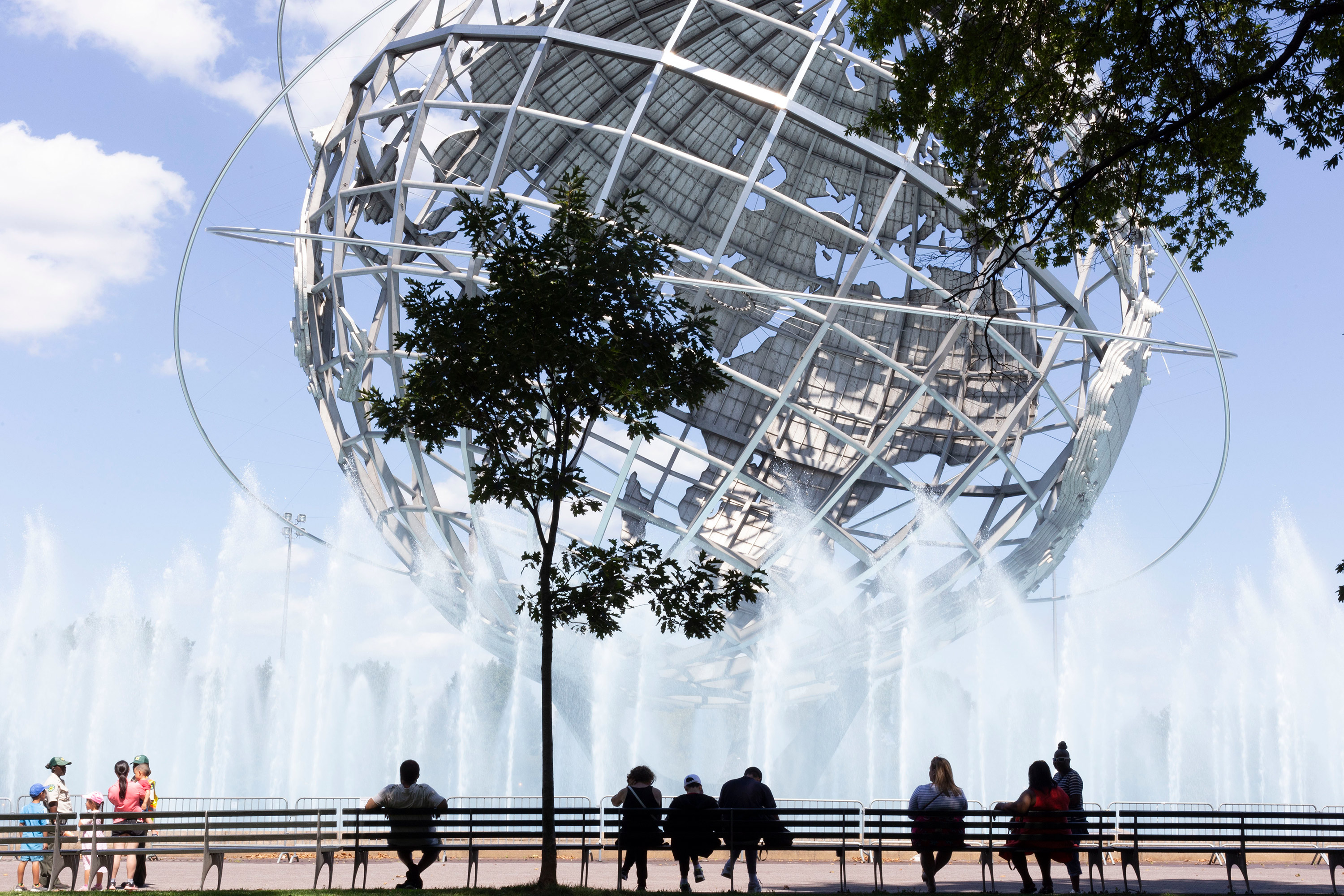
The big park of northern Queens, built on former ash dumps as the site of the 1939 and 1964 World's Fairs, and it still keeps much of the 1939 fair's layout. It holds the US Open tennis center, Citi Field, the Queens Museum and the New York Hall of Science, plus Meadow and Willow Lakes in its southern half. Expressways and parkways run along its edges, and the park fell into disrepair after 1964 before improvements from the 1990s on.
Bryant Park
A one-block Midtown park behind the New York Public Library's main branch, with a central lawn, tree-lined walkways and a carousel. In winter it hosts the Winter Village with a skating rink and holiday shops. A private nonprofit manages it, and it was rebuilt around 1990 after a long period of decline.
Washington Square Park
Greenwich Village's town square, framed by the Washington Square Arch at the foot of Fifth Avenue and surrounded by New York University buildings. People come for the fountain, the street performers and the chess players more than for greenery. It was a potter's field and then a military parade ground before it became a park.
Governors Island
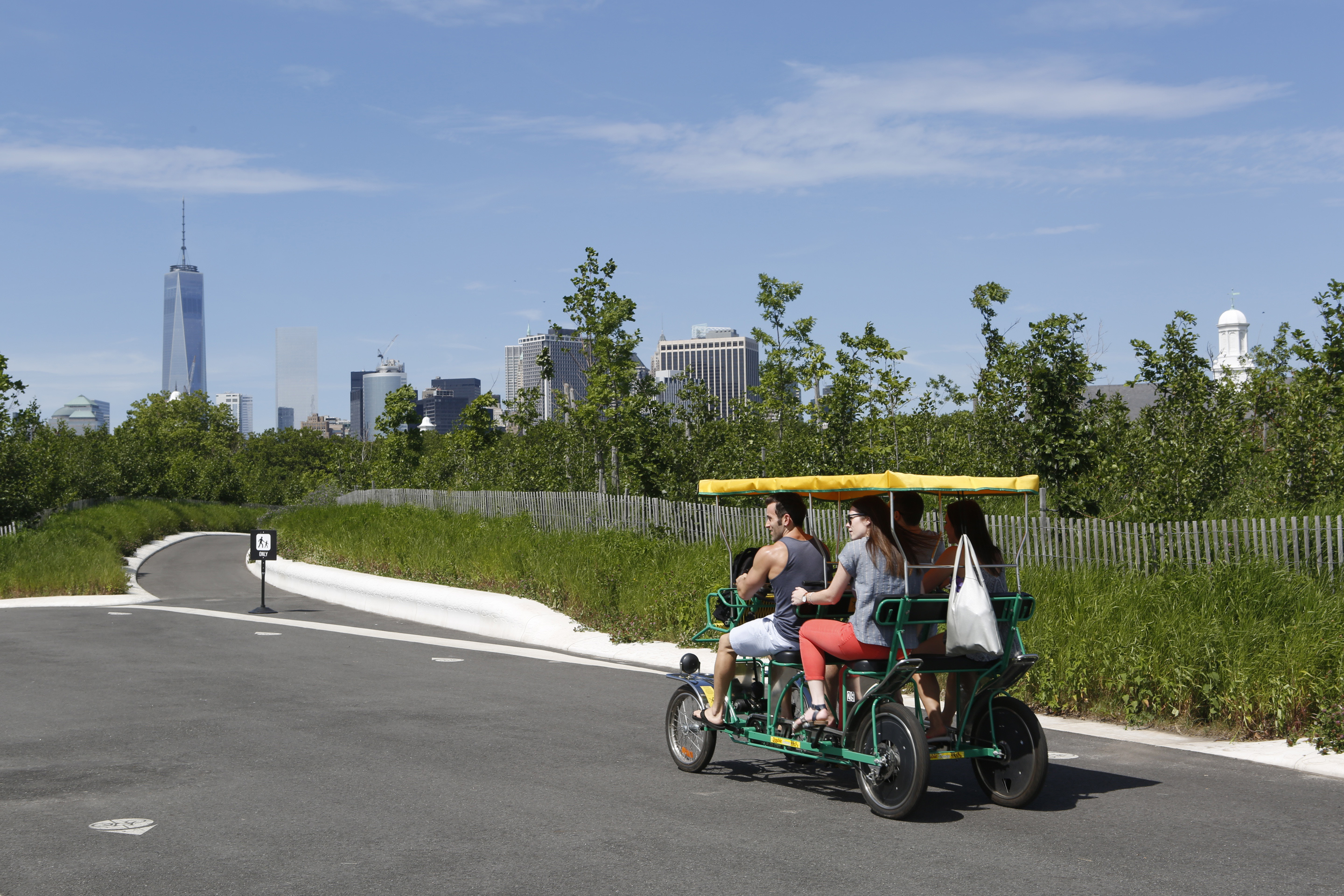
A former Army and Coast Guard base in New York Harbor, reached only by ferry from Lower Manhattan and Brooklyn, that opened to the public in 2005. Lawns, historic buildings and the old forts Fort Jay and Castle Williams make it a full day out with harbor views. A small north end is a national monument run by the National Park Service.
Hudson River Park
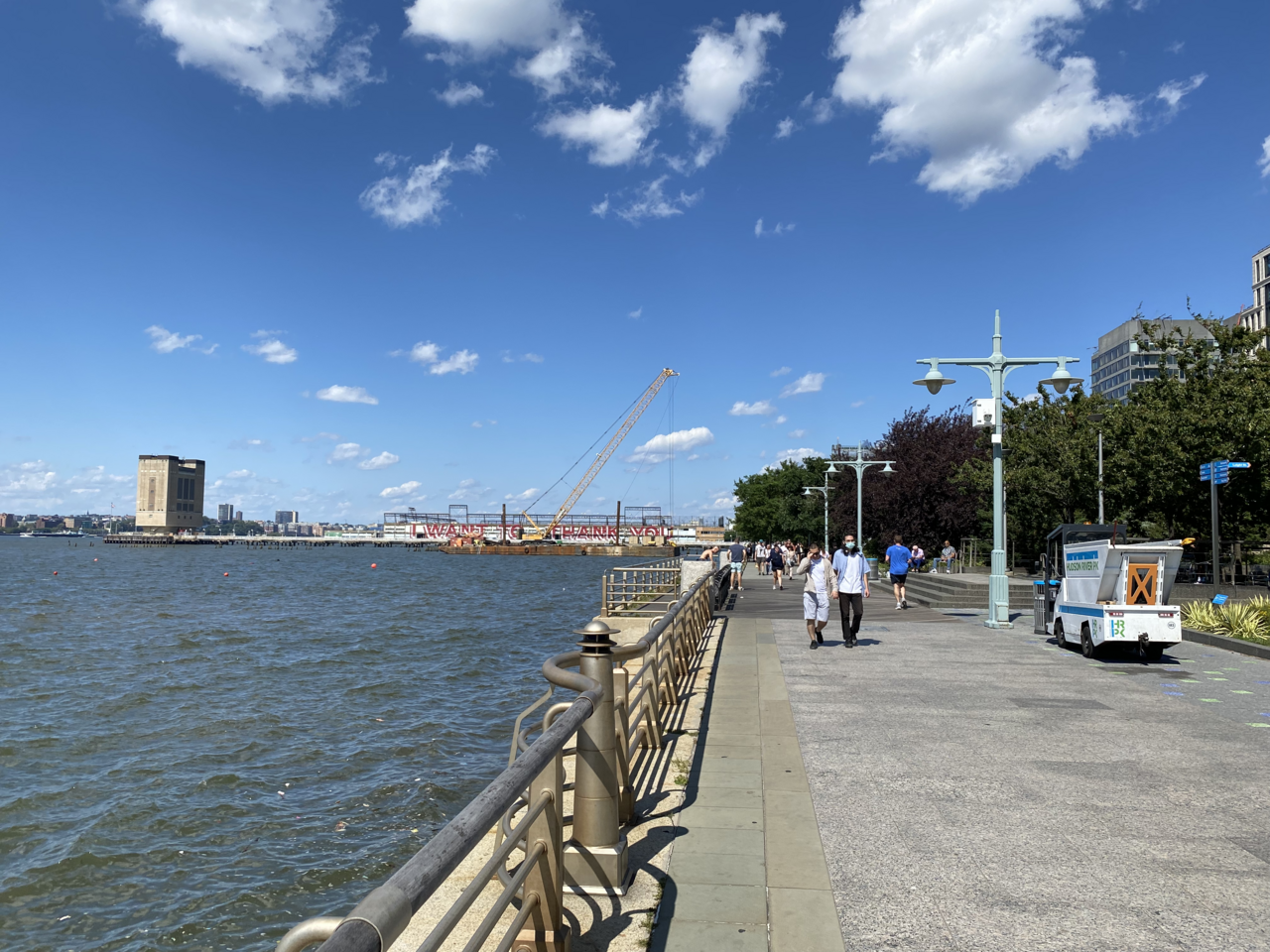
A 4.5-mile waterfront park along Manhattan's West Side, from Battery Park to 59th Street, with rebuilt piers, lawns, a bikeway and sports fields along the Hudson River Greenway. Much of its listed area is the river itself, protected as an estuarine sanctuary. Little Island at Pier 55 sits within it.
Riverside Park
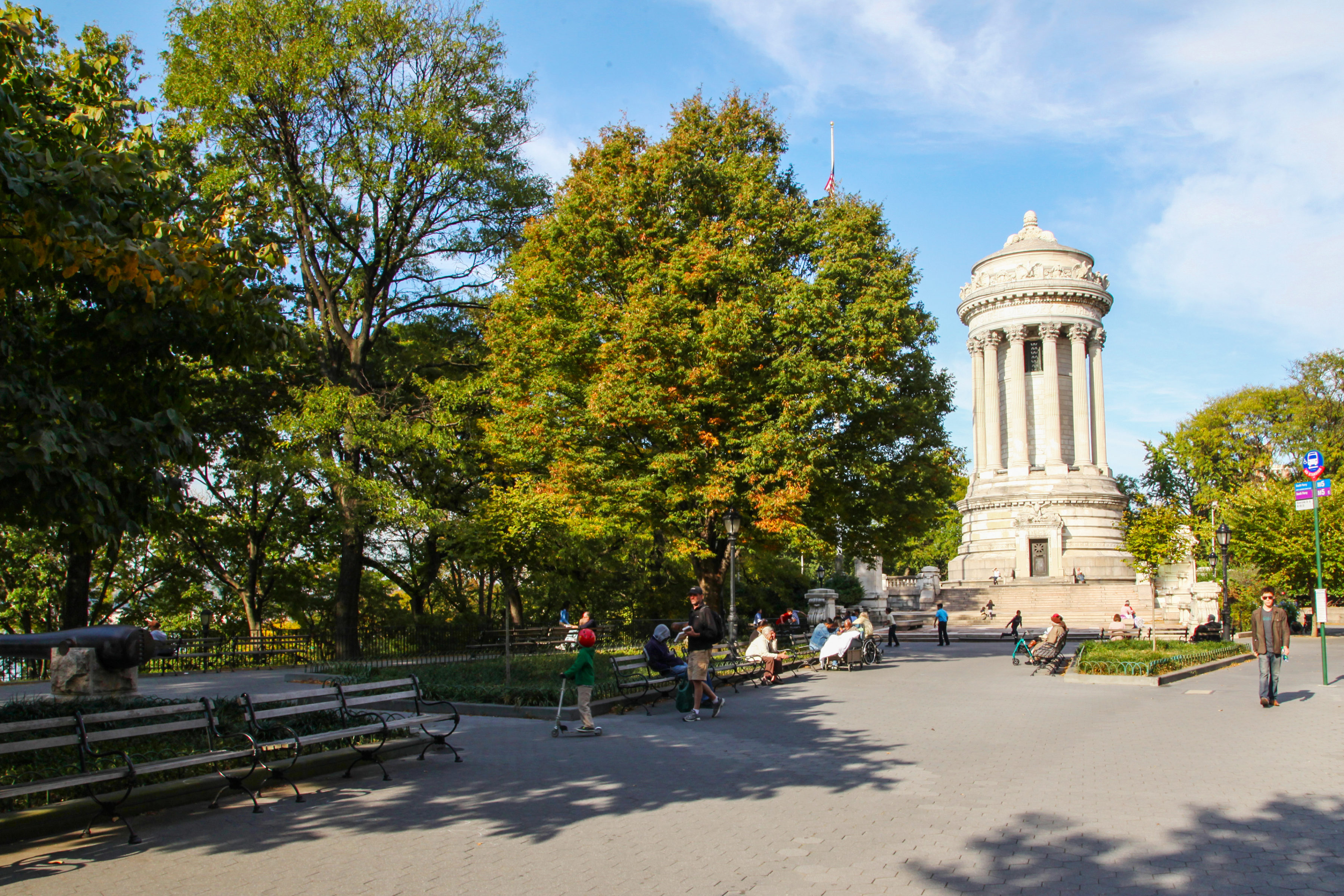
A long, narrow park running 4 miles along the Hudson on the Upper West Side, from 72nd Street to 158th Street, between the river and Riverside Drive. Much of it sits on top of a covered rail line, with playgrounds, ball fields and courts added in the 1930s. It is a designated New York City scenic landmark, and NYC Parks runs it with support from the Riverside Park Conservancy.
Fort Tryon Park
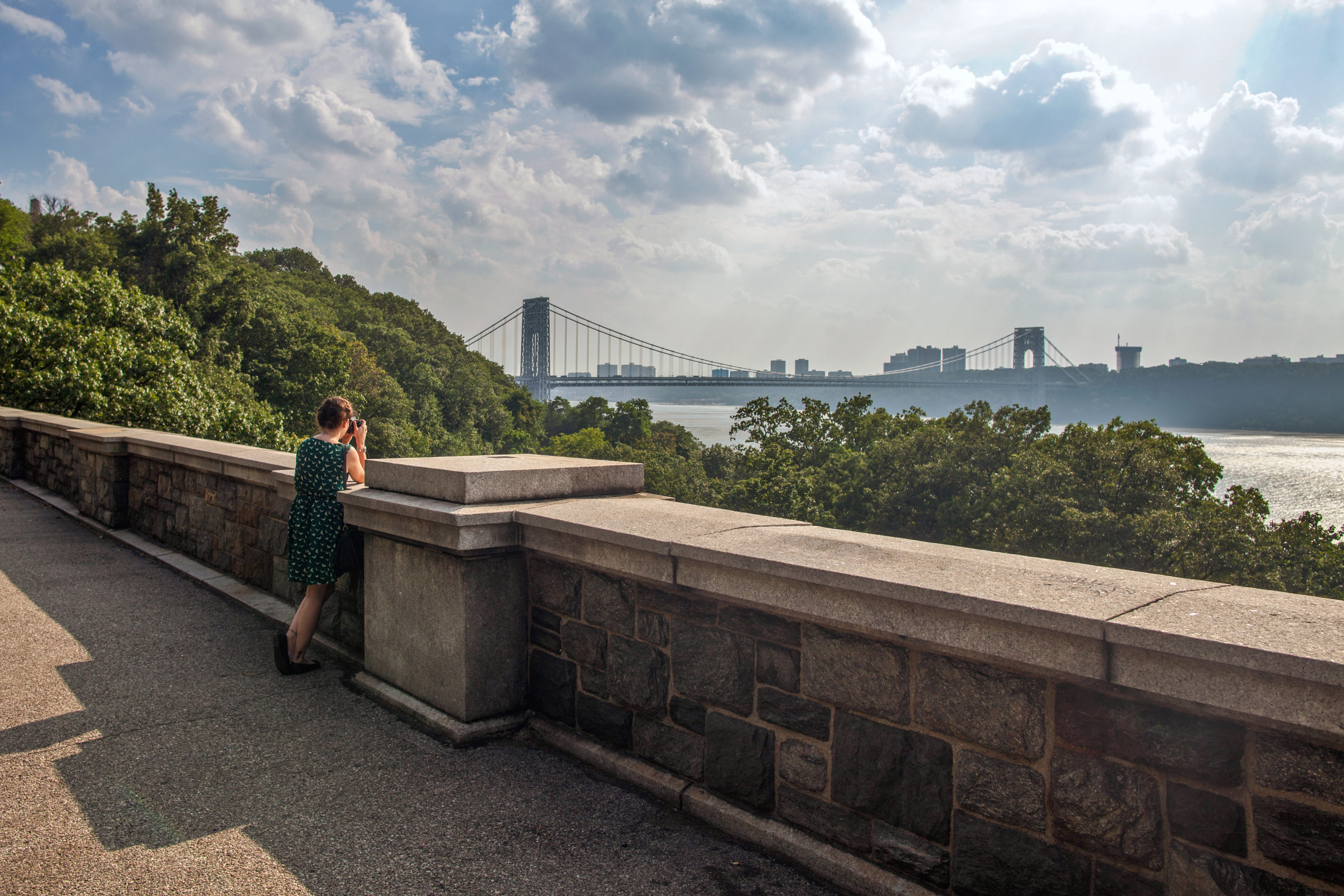
A hilltop park in Upper Manhattan that John D. Rockefeller Jr. gave to the city, designed by the Olmsted Brothers on a ridge above the Hudson. It is home to The Met Cloisters, the museum of medieval art, and to the Heather Garden. The Battle of Fort Washington was fought on the site in 1776.
Pelham Bay Park
The largest park in New York City, more than three times the size of Central Park, in the northeast corner of the Bronx. It holds Orchard Beach, two golf courses, nature trails, a lagoon and the Bartow-Pell Mansion. Several peninsulas reach into the bay, so much of the park is shoreline.
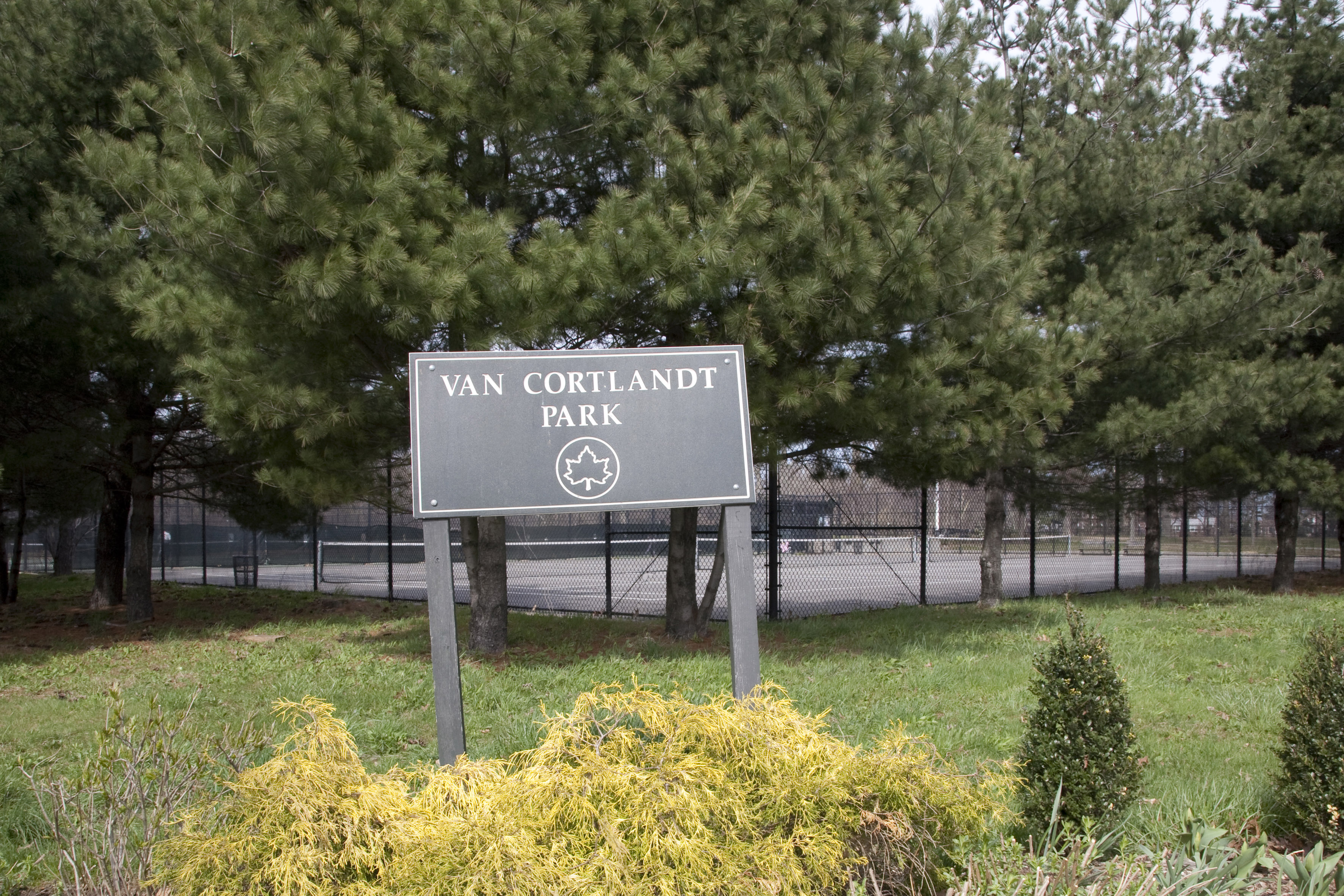
Van Cortlandt Park
The city's third-largest park, in the northwest Bronx, built for sport: the country's oldest public golf course, a famous cross-country running course, and fields for cricket, rugby and more. It also has hiking trails, old-growth forest, the Bronx's largest freshwater lake and the Van Cortlandt House, the oldest known house in the borough.
Staten Island Greenbelt
A chain of connected parks and natural areas across the hills of central Staten Island, including High Rock Park, LaTourette Park and Willowbrook Park, linked by an extensive trail system through forest, wetlands and kettle ponds. It exists because residents organized against a highway planned through it in the 1960s. The Greenbelt Nature Center on Rockland Avenue runs nature programs year-round with the Greenbelt Conservancy.
The Battery
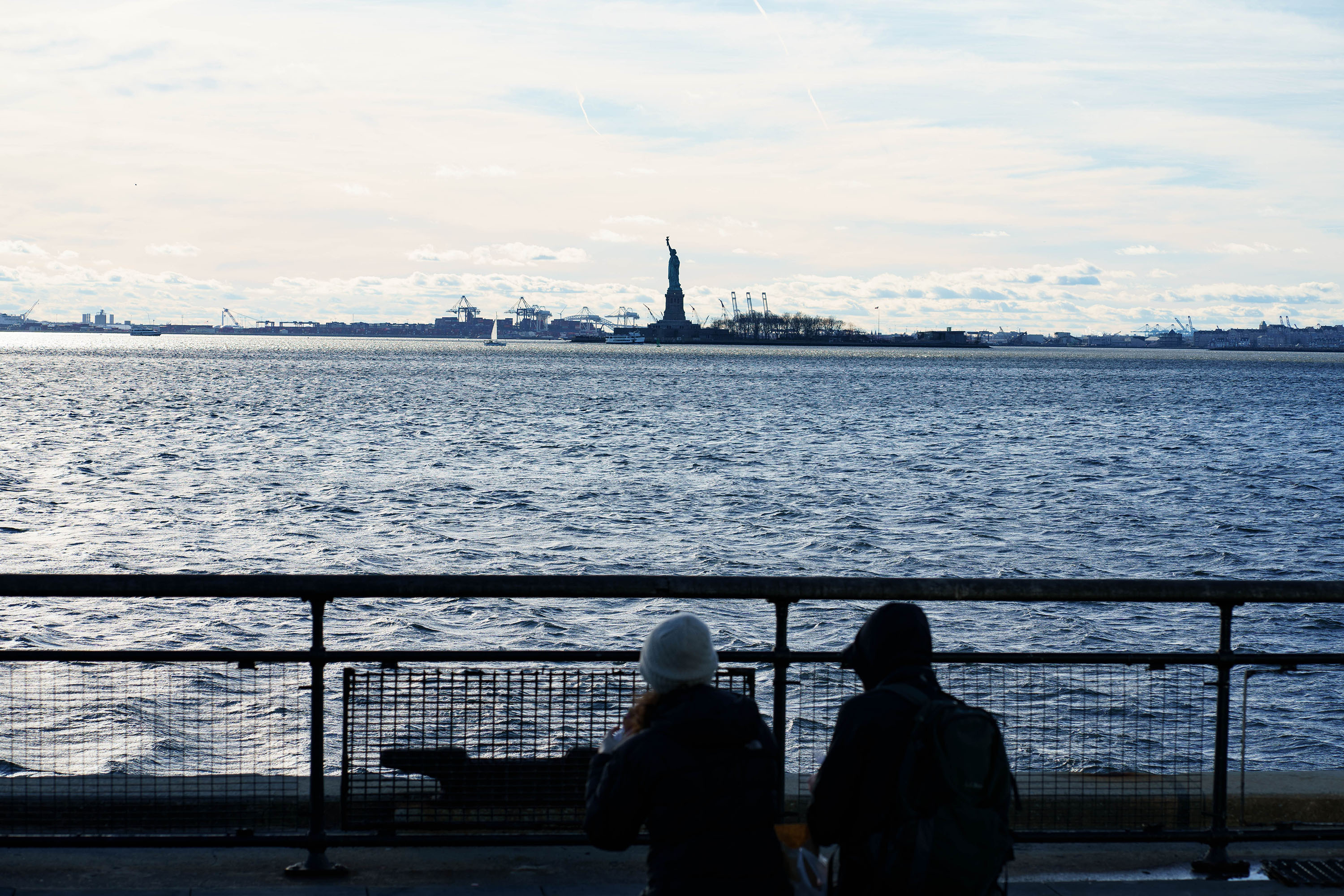
The park at the southern tip of Manhattan, facing New York Harbor, where ferries leave for the Statue of Liberty, Ellis Island and Staten Island. It holds Castle Clinton, many monuments, the SeaGlass Carousel and large perennial gardens. Castle Clinton was the landing point for immigrants arriving in New York until 1892.
Gantry Plaza State Park
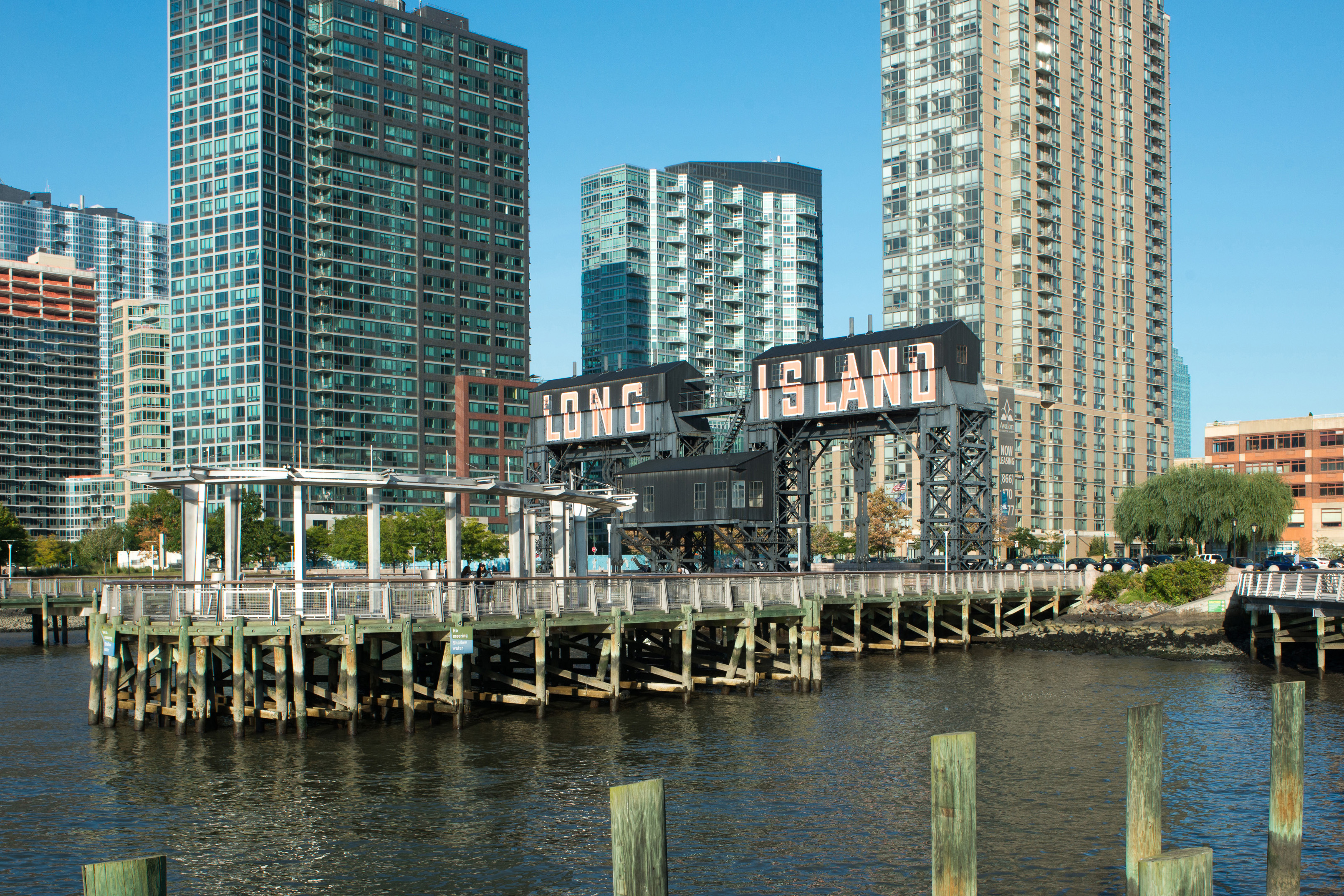
A state park on the East River in Long Island City, Queens, built on an old dockyard. Its restored rail-car gantries and the landmark Pepsi-Cola sign are what most people come to see. It has picnic tables, a playground, playing fields and a waterfront promenade facing the United Nations headquarters across the river.
Inwood Hill Park
The wild northern tip of Manhattan, with the largest remaining old-growth forest on the island on a ridge rising 200 feet above the Hudson. Unlike most Manhattan parks it is mostly wooded, unlandscaped hills, with rock shelters the Wecquaesgeek once used. The Inwood Hill Nature Center sits near the entrance at 218th Street and Indian Road.
Little Island
A small park raised above the Hudson on 132 concrete "tulips" at Pier 55, linked to Hudson River Park by footbridges at 13th and 14th Streets. Heatherwick Studio designed it and Signe Nielsen planted it, so it is all winding paths, lawns and lookouts over the river, plus a 687-seat amphitheater. Entry is free; only the amphitheater performances need a paid ticket. It was funded mainly by Barry Diller and Diane von Furstenberg's family foundation, and at 2.4 acres it is a stop on a West Side walk rather than a place to spend the day.
How we researched this
We read each park's encyclopedia article for its borough, acreage, opening year and who manages it, and each park's own site or its conservancy's site where they could be read: Friends of the High Line, Little Island, Riverside Park Conservancy, The Battery Conservancy, the Alliance for Flushing Meadows–Corona Park, the Bartow-Pell Mansion Museum and the Van Cortlandt House Museum. Addresses come from those sites, NYC Tourism listings and the articles for buildings inside the parks, and each value is stored with the sentence it came from. The address marks an entrance or a building in the park, such as the Arsenal in Central Park or the Met Cloisters in Fort Tryon Park, not a mailing address.
The set covers the parks that come up again and again in city park guides, across all five boroughs. Little Island is listed on its own even though it sits inside Hudson River Park, because guides treat it as a separate destination. Neighborhood favorites such as Domino Park, Astoria Park and Marine Park were left out to keep the list to destination parks. Three cells are blank because no source stated them: the High Line's area in acres (its sources give its 1.45-mile length), the opening year of The Battery, which grew over two centuries, and who runs Little Island day to day. Riverside Park's size is the park's own area, not the longer stretch to 181st Street that its conservancy also looks after. Opening year means the year a park first opened or was created as a park, and several were expanded later. Check hours and seasonal closures with each park before you go.