best backpacking packs for women
Updated .
| Option | Price | Capacity | Weight | Max Load | Access | Fabric | Exterior Pockets |
|---|---|---|---|---|---|---|---|
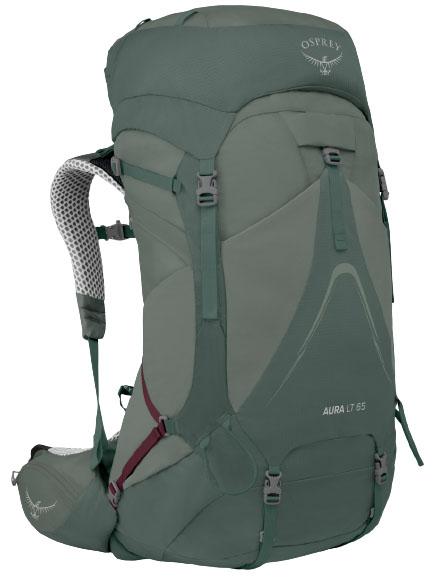
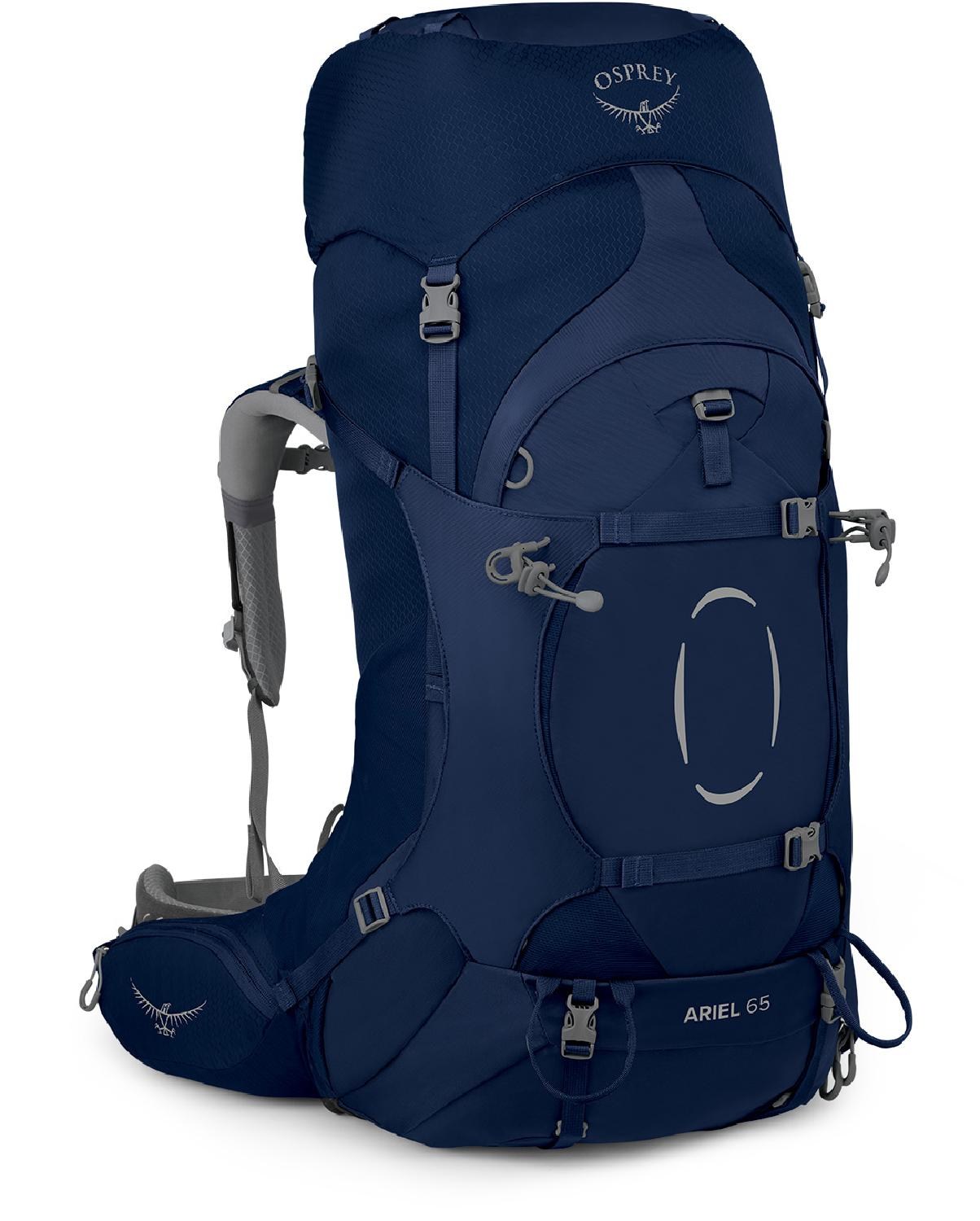
Switchback Travel's overall pick, and the easiest recommendation here for someone who wants one pack to cover overnights through week-long trips. Osprey took its plush Aura AG and stripped out the extras, keeping the ventilated suspension, an adjustable torso, a rain cover, and a tough 500-denier base. The trade is fewer pockets and less organization than the full Aura or the Gregory Deva, and at just over four pounds it is too heavy to count as a lightweight pack. | $320source | 65source | 4 lb. 0.2 oz.source | 40source | Top and sidesource | Nylonsource | 6source |
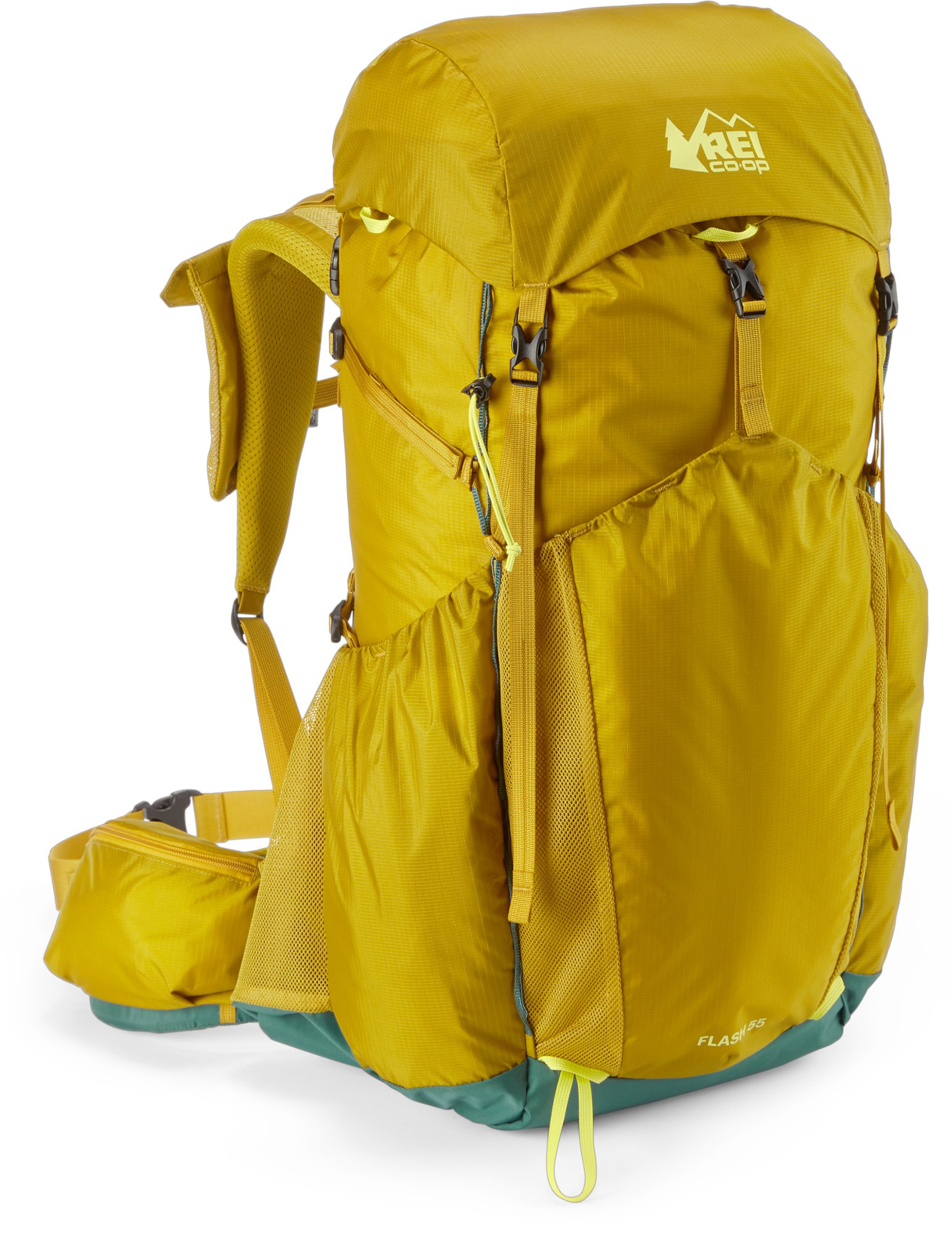
The value pick: genuinely light for the money, with a roll-top closure, four big side pockets and a generous front dump pocket. Its party trick is modularity, since the compression straps, hipbelt pockets and shoulder-strap pocket all come off to save weight. It comes in four torso sizes including an extra-small with a medium hipbelt, which is unusually accommodating. Reviewers found comfort falls away as you approach its 30-pound ceiling, there is no secondary access to the main compartment, and the shoulder-strap pocket is prone to falling off. | $229source | 55source | 2 lb. 12.0 oz.source | 30source | Topsource | Nylonsource | 6source |
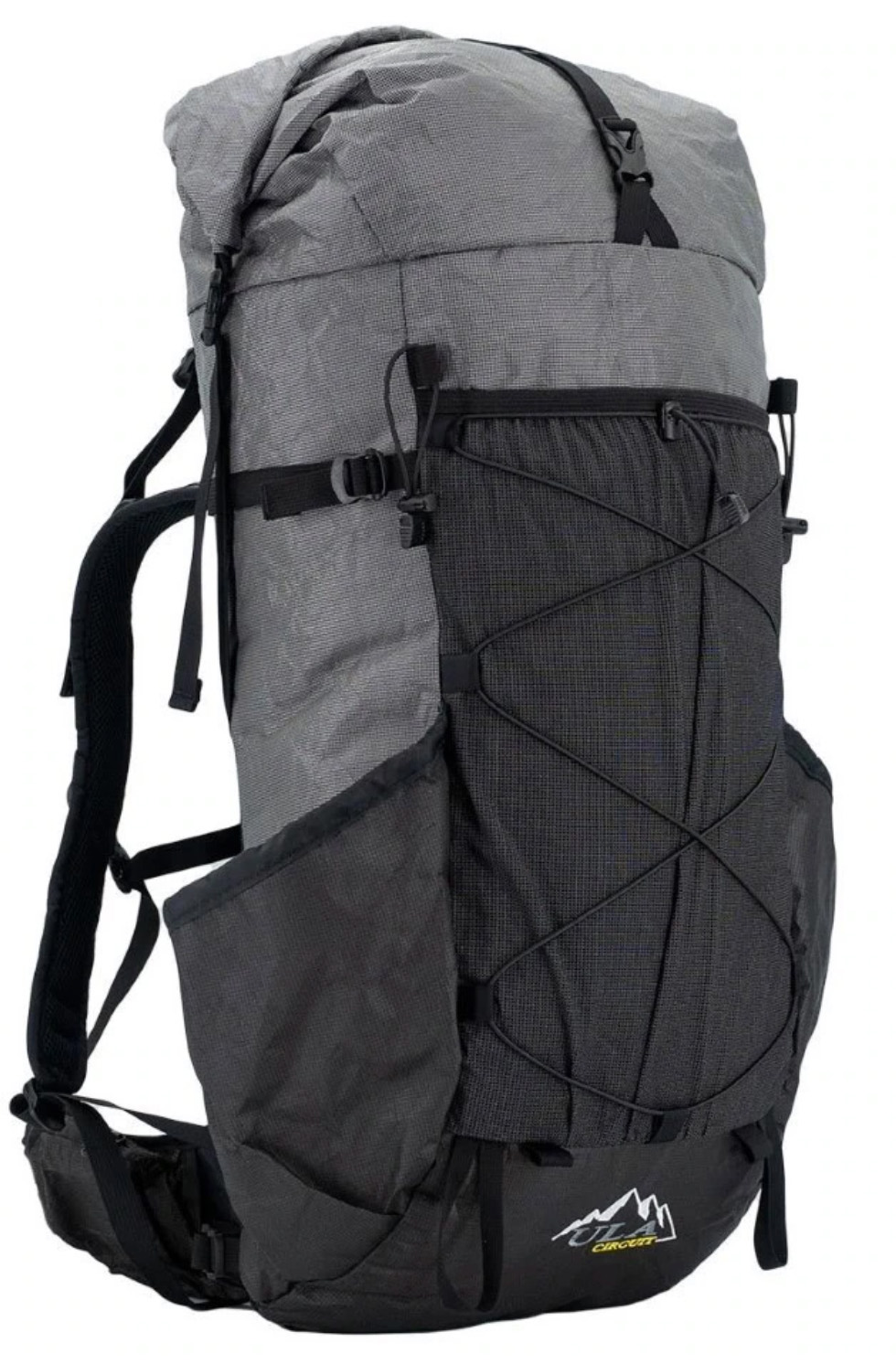
The thru-hiker's pack, made in Utah and the most customizable option here: you choose torso length, hipbelt size and shoulder-strap shape when you order, which matters a lot for a women's fit. The Ultra fabric version trades about eighty dollars for better abrasion resistance and weather protection than the standard Robic nylon Circuit. You get 68 liters, big stretch front and side pockets, and zippered hipbelt storage at well under two and a half pounds. It is not the lightest pack on this list, and ULA recommends keeping loads under 35 pounds. | $380source | 68source | 2 lb. 4.8 oz.source | 35source | Topsource | Ultrasource | 5source |
The heavy hauler, and the one to pick if you carry a lot or simply want comfort over ounces. A free-floating backpanel, pivoting shoulder straps and a deeply padded hipbelt let it shoulder loads that would flatten the lighter packs here, and there are nine exterior pockets plus U-shaped front access. It is also the heaviest and most expensive pack on this list, and testers found the sheer number of compartments became a liability, easy to lose things in and fussy to adjust. | $400source | 70source | 4 lb. 11.8 oz.source | 65source | Top and frontsource | Nylonsource | 9source |
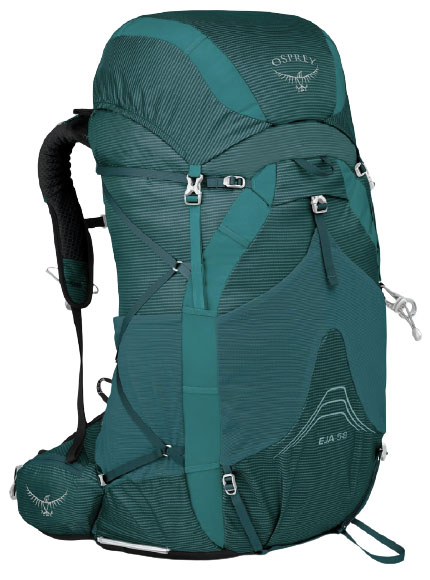
A good landing spot if you want to go lighter without giving up a real suspension. The Eja keeps a full-mesh backpanel, an aluminum frame and an adjustable torso, so it carries more like a traditional pack than a cottage ultralight one, while weighing over a pound less than the Aura AG LT. The compromises are a thin 100-denier body fabric, a single top opening with no secondary access, and a 35-pound load limit. | $285source | 58source | 2 lb. 13.2 oz.source | 35source | Topsource | Nylonsource | 6source |
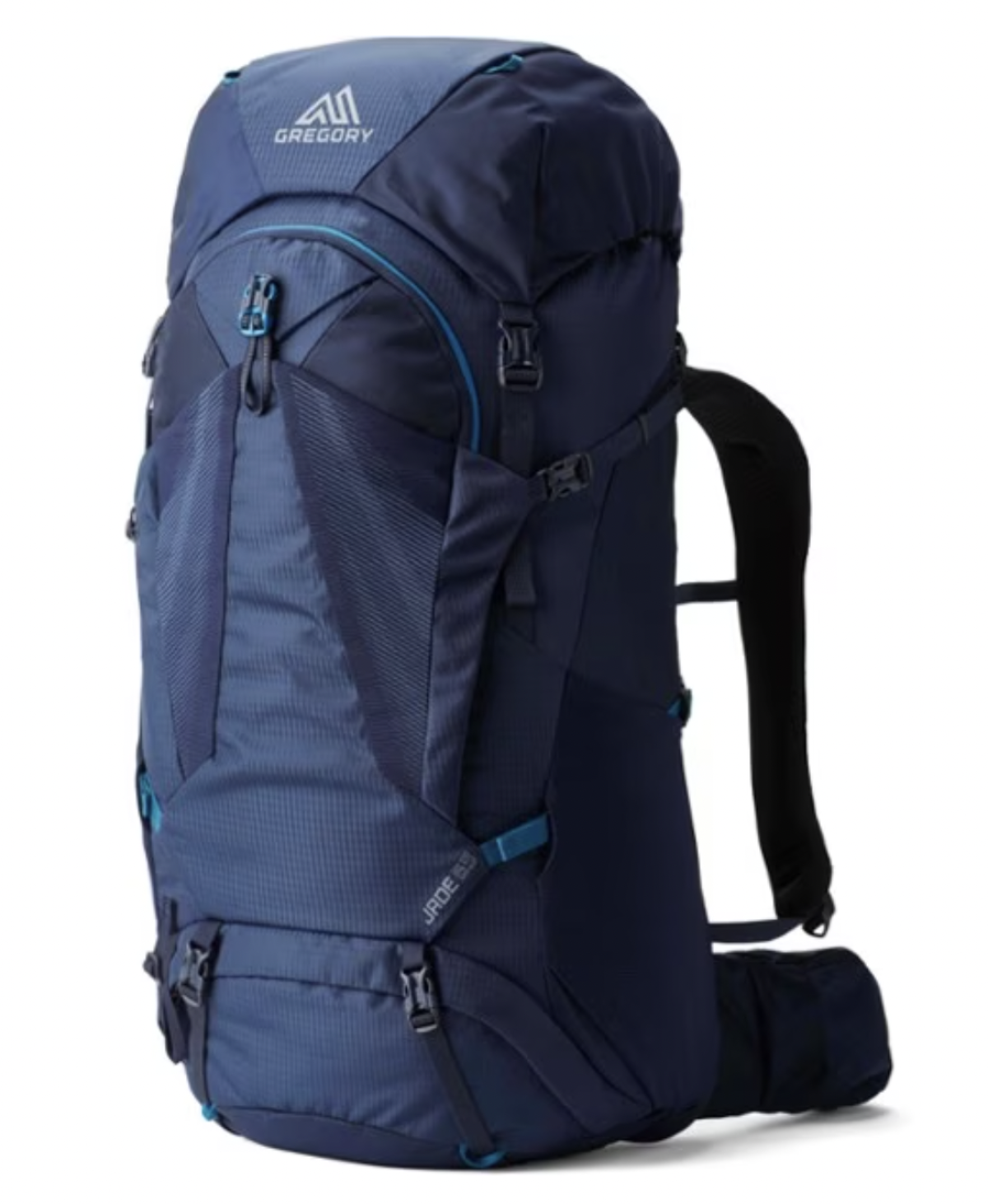
The strongest plus-size option in a category that still offers very few. Gregory did more than lengthen the hipbelt: pocket placement and strap sizing were reworked for a wider range of body shapes. It is a capable all-rounder besides, with FreeFloat suspension, a mesh-heavy backpanel, U-shaped access and room for a bear canister, at a price below the brand's flagship Deva. It comes in only one color and one capacity, and it is not light. | $300source | 63source | 4 lb. 2.6 oz.source | Top and frontsource | Polyestersource | 6source | |
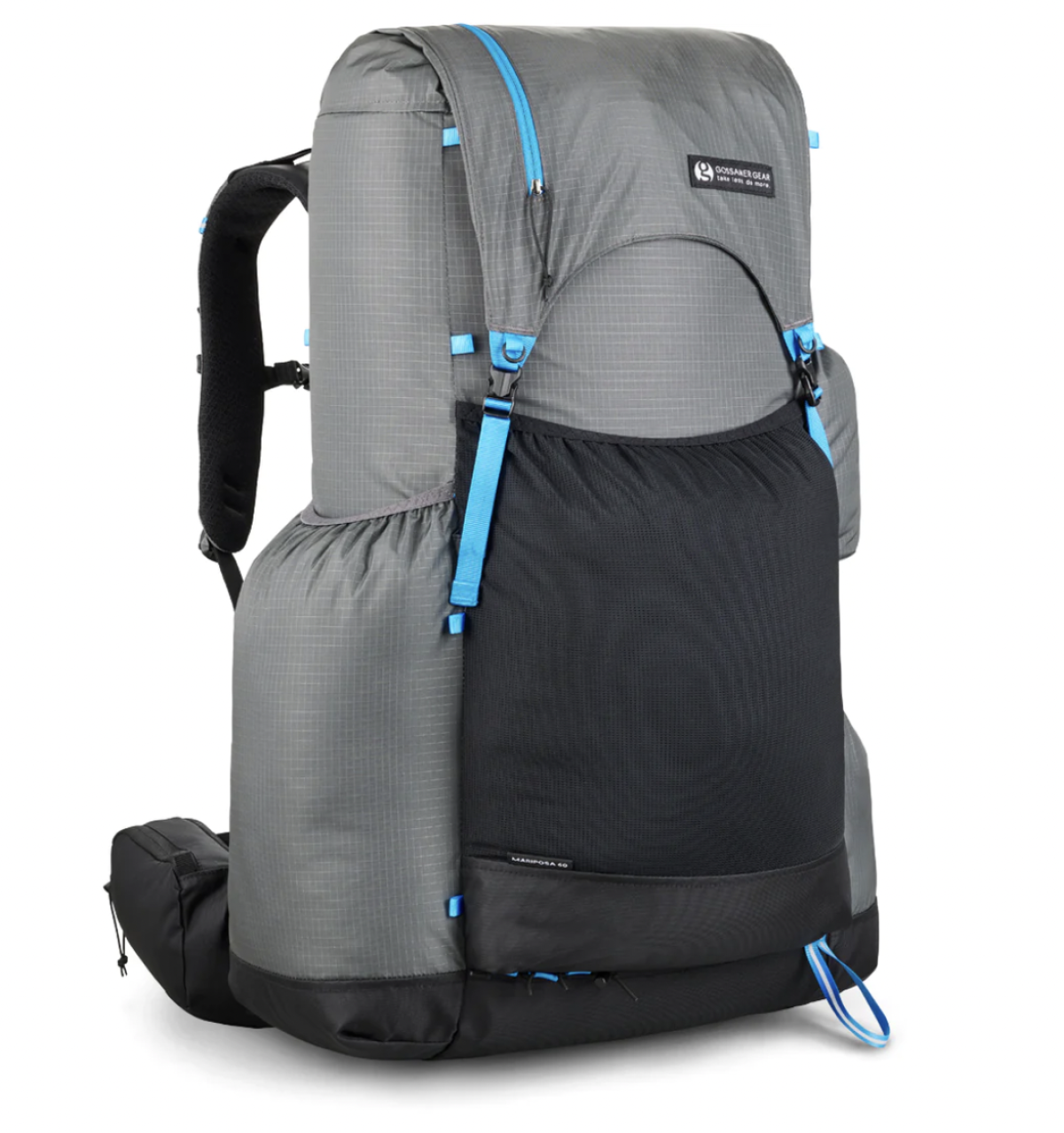
An ultralight pack that has not given up on organization: 60 liters spread across the main bag and seven exterior pockets, including an extra-tall side pocket that swallows a tent and hipbelt pockets big enough to be useful. A recent update brought a better frame, tougher exterior fabric and retooled load lifters. It is one of the lightest packs here at just over two pounds, but the fabrics are thinner than the ULA Circuit's, the load limit is 35 pounds, and testers disliked the new grab-handle position. | $315source | 60source | 2 lb. 2.1 oz.source | 35source | Topsource | Robic nylonsource | 7source |
The best weight-to-hauling ratio on this list: right around three pounds but rated to carry 50, which is territory the other sub-three-pound packs cannot touch. Side-zip access means you can reach the bottom of the pack without unloading it, and the lid detaches and converts to a fanny pack. The padded backpanel is warmer and sweatier than a suspended mesh design, and the fit adjustments are coarse, relying on heavy Velcro patches that are awkward to reach. | $300source | 60source | 3 lb. 0.2 oz.source | 50source | Top and sidesource | Robic nylonsource | 6source |
A trail icon built from Dyneema, which buys real waterproofing and abrasion resistance at under two pounds. Three burly exterior pockets and a cavernous main compartment make it a durable choice for hard, wet seasons. Expect a learning curve coming from a traditional pack: there is no lid and no secondary access, so reaching the bottom means emptying the whole bag, and the simplified backpanel is less comfortable and less ventilated than a framed pack. It is also the most expensive option here. | $420source | 55source | 1 lb. 13.3 oz.source | 40source | Topsource | Dyneema compositesource | 5source |
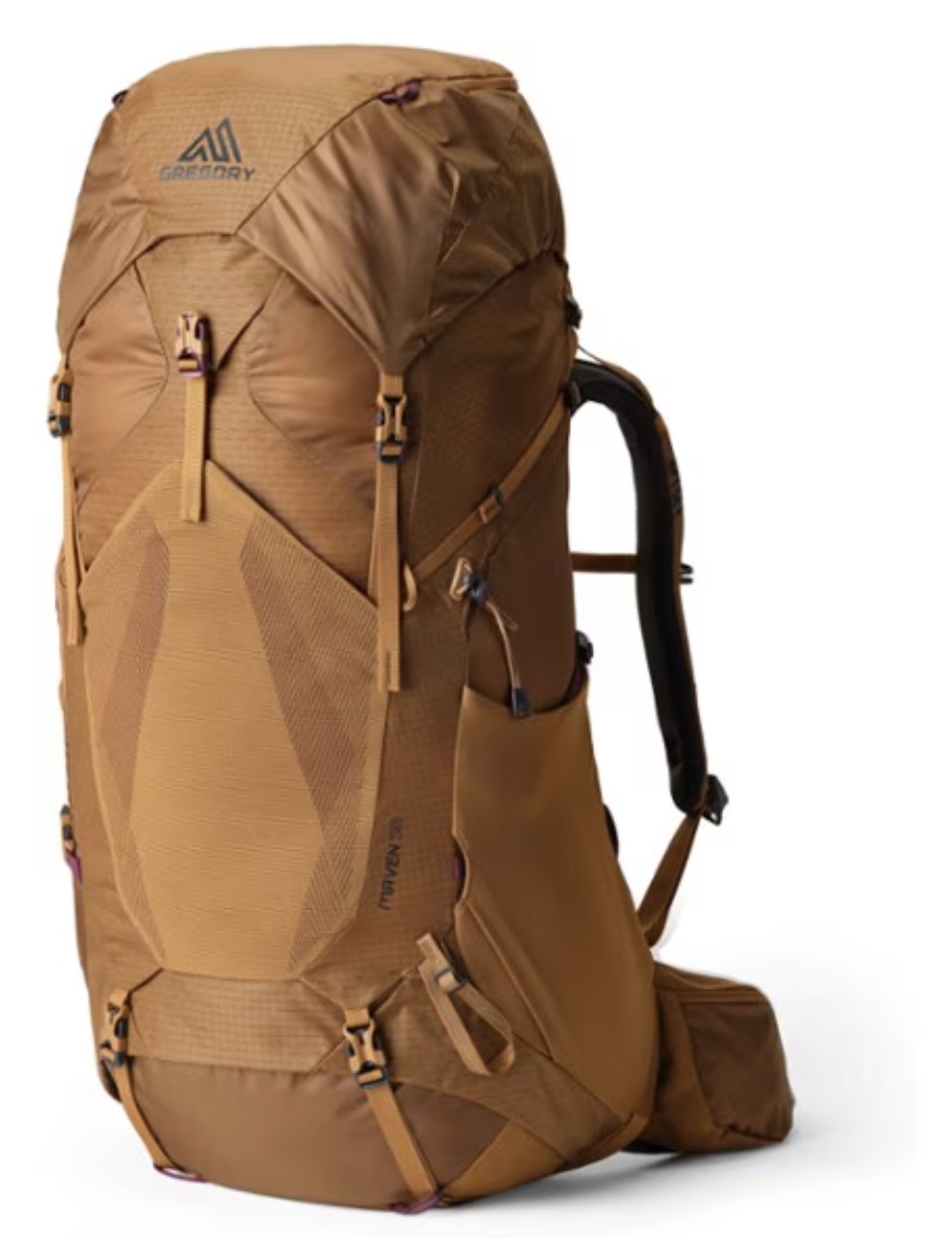
The middle of the range: more features and adjustability than the Osprey Eja, less bulk and cost than the Deva. A recent update slimmed the design and reshuffled the sizes, and it keeps an adjustable backpanel, side-zip access and a bottom sleeping bag compartment. Testers thought it still felt overbuilt for how most people backpack, found the torso adjustment mechanism clunky, and noted the lid flops around unless the pack is filled to capacity. | $300source | 58source | 3 lb. 8.0 oz.source | 50source | Top and sidesource | Nylonsource | 7source |
Osprey's heavy hauler, aimed at big loads and light mountaineering. Its selling point is fit: the Fit-on-the-Fly system lets you tailor both the shoulder straps and the hipbelt, and it also comes in an Extended Fit version, which makes it one of the more size-inclusive packs here. A large J-shaped front zipper opens the main compartment on the go. It weighs just under five pounds, organization is middling for the size, and the hipbelt pockets are awkwardly placed and hard to reach. | $370source | 65source | 4 lb. 14.3 oz.source | 60source | Top and frontsource | Nylonsource | 7source |
The cheapest way onto this list, and a reasonable first pack for someone who gets out a few times a year. You get a big main compartment, dedicated sleeping bag access, six external pockets and enough size adjustment that it can be shared between people. It feels like an older-generation gear hauler: the materials are noticeably cheap, the front and side pockets use stiff fabric rather than stretch mesh, and reviewers expect the foam padding to flatten over time. | $179source | 60source | 3 lb. 4.0 oz.source | 40source | Topsource | Nylonsource | 6source |
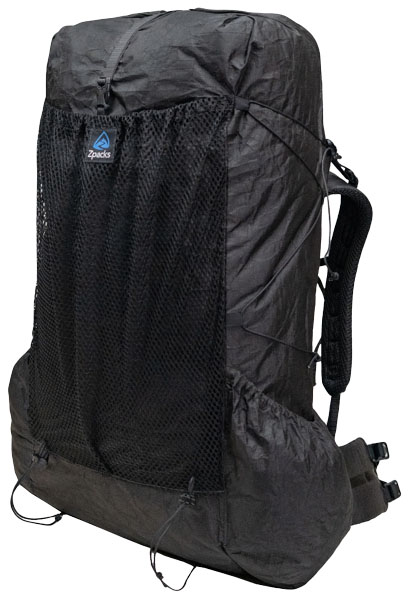
The lightest pack here by a wide margin, roughly ten ounces below the next lightest, built from Ultra 100 laminate on a carbon fiber frame. Its distinguishing feature is the tensioned Arc backpanel, which curves the bag away from your spine and ventilates far better than the flat-backed Hyperlite. That weight comes out of durability and comfort: the thin fabric does not love off-trail scrambling, testers preferred to keep it near 30 pounds rather than its advertised limit, and the pocket layout is sparse enough that hipbelt pockets are a paid add-on. | $399source | 60source | 1 lb. 5.8 oz.source | 40source | Topsource | Ultrasource | 3source |