Best Beaches in North Carolina
Seventeen North Carolina beaches compared on region, how you get there, beach length, lifeguards and dog rules, from Corolla to Cape Lookout and Sunset Beach. Read our take
At a glance
| Option | Region | Getting There | Beach Length | Lifeguards | Dogs on the Beach | Known For |
|---|---|---|---|---|---|---|
| Outer Bankssource | Drive-upsource | 24source | Lifeguards in summersource | Allowed year-roundsource | Wild horsessource | |
| Outer Bankssource | Renters and hotel guests onlysource | 7source | Lifeguards in summersource | Allowed year-roundsource | Boardwalksource | |
| Outer Bankssource | Drive-upsource | Lifeguards in summersource | Allowed year-roundsource | Fishing pier, Sand dunessource | ||
| Outer Bankssource | Drive-upsource | 70source | Lifeguards in summersource | Allowed year-roundsource | Kayaking, Lighthousesource | |
| Outer Bankssource | Car ferrysource | 16source | Lifeguards in summersource | Allowed year-roundsource | Shellingsource | |
| Crystal Coastsource | Passenger ferry or boatsource | 56source | No lifeguardssource | Allowed year-roundsource | Wild horses, Shelling, Birdwatching, Camping, Lighthousesource | |
| Crystal Coastsource | Drive-upsource | Lifeguards in summersource | Allowed year-roundsource | Boardwalk, Fishing pier, Kayakingsource | ||
| Crystal Coastsource | Drive-upsource | 12source | Lifeguards in summersource | Allowed year-roundsource | Surfing, Fishing piersource | |
| Crystal Coastsource | Passenger ferry or boatsource | 4source | Lifeguards in summersource | Allowed year-roundsource | Birdwatchingsource | |
| Topsailsource | Drive-upsource | 26source | Allowed year-roundsource | Sea turtlessource | ||
| Wilmington Areasource | Drive-upsource | 4source | Lifeguards in summersource | Not allowed in summersource | Surfingsource | |
| Wilmington Areasource | Drive-upsource | Lifeguards in summersource | Restricted hours in summersource | Boardwalksource | ||
| Wilmington Areasource | Drive-upsource | 4source | Lifeguards in summersource | Not allowed in summersource | Historic fort, Fishing piersource | |
| Brunswick Islandssource | Passenger ferry or boatsource | 14source | No lifeguardssource | Allowed year-roundsource | Sea turtles, Shellingsource | |
| Brunswick Islandssource | Drive-upsource | 10source | Allowed year-roundsource | Fishing pier, Kayakingsource | ||
| Brunswick Islandssource | Drive-upsource | No lifeguardssource | Restricted hours in summersource | Sea turtlessource | ||
| Brunswick Islandssource | Drive-upsource | No lifeguardssource | Restricted hours in summersource | Shellingsource |


Our take
For the most beach with the fewest people, Cape Lookout National Seashore has 56 miles of undeveloped sand that you can reach only by ferry or private boat, with no lifeguards on any of it. For an easy beach week with guarded water and a town around you, Nags Head, Wrightsville Beach and Emerald Isle all staff lifeguard stands in summer and let you drive up and park.
The real split in this table is how you get to the sand. Most of these beaches are drive-up towns, but Ocracoke Island needs a car ferry from Hatteras, Bald Head Island, Bear Island and Cape Lookout are passenger ferry or boat only, and Duck keeps its beach for people staying in town. The second split is dogs: Nags Head, Emerald Isle and Oak Island allow leashed dogs all year, while Wrightsville Beach and Kure Beach keep them off the sand for the whole season.
Our picks
- Most remote: Cape Lookout National Seashore. 56 miles of undeveloped beach on barrier islands with no bridges, reached only by ferry or private boat.
- Best for wild horses: Corolla. Wild horses roam the 4x4 beaches north of town, on 24 miles of sand with lifeguards in summer.
- Best boardwalk: Carolina Beach. A boardwalk often called one of the best in the US, with lifeguard stands along about 3 miles of beach.
- Best for surfing: Wrightsville Beach. Named one of the top surfing towns in the world, with summer lifeguards along about 4 miles of beach.
- Best for dogs: Oak Island. Leashed dogs are allowed year-round on more than 10 miles of shoreline.
Ferry-only beaches on the North Carolina coast
Four beaches here have no bridge. Ocracoke Island is the one where most visitors bring the car: the free state ferry from Hatteras carries vehicles, the wait can run one to two hours in summer, and you then drive 13 miles past open dunes before reaching the village. Bald Head Island is a 20-minute ferry from Southport and has no cars at all, so visitors get around by bike or golf cart.
Bear Island and Cape Lookout are the wild ones. The Hammocks Beach State Park ferry to Bear Island runs April through October and does not carry pets, and campers can also paddle in. Cape Lookout's passenger ferries leave from Harkers Island and Beaufort for the lighthouse and Shackleford Banks, with separate vehicle ferries for four-wheel drives to the Core Banks. Bear Island has lifeguards and a concession stand from Memorial Day through Labor Day weekends, while Cape Lookout has no lifeguards, so bring water, shade and food for a day there.
Bringing a dog to a North Carolina beach
Leashed dogs are welcome all year at Corolla, Nags Head, Cape Hatteras and Cape Lookout National Seashores, Atlantic Beach, Emerald Isle, Topsail Island, Bald Head Island and Oak Island. Duck goes further and lets well-supervised dogs play off leash on the sand, and Bald Head Island and Oak Island allow off-leash time in the off-season. The national seashore keeps dogs off its designated swim beaches. Bear Island allows leashed dogs too, but the park ferry does not carry pets and they are kept out of the swimming area, so a dog can only come over by private boat or kayak.
Three towns limit the hours in summer: Carolina Beach allows dogs before 9 a.m. and after 5 p.m. from April through September, Ocean Isle Beach bans them from 9 a.m. to 6 p.m., and Sunset Beach from 8 a.m. to 6 p.m. Wrightsville Beach and Kure Beach ban dogs for the whole season, so they suit an off-season trip with a dog.
Which North Carolina beaches have lifeguards
Eleven of these beaches staff lifeguards in summer, but the seasons differ. Duck runs the longest, from May 1 to October 31, and Emerald Isle guards its main accesses from April through September. Atlantic Beach stops in mid-August, Bear Island is guarded from Memorial Day through Labor Day weekends, and Cape Hatteras National Seashore guards only five of its beaches, including the one by Ocracoke Village.
Cape Lookout, Bald Head Island, Ocean Isle Beach and Sunset Beach have no lifeguards at all. For Topsail Island and Oak Island the column is blank because the pages we read did not state a lifeguard schedule; Oak Island describes beach patrols rather than staffed stands. Swim near a guarded stand where one exists, since rip currents on this coast are serious.
The options in detail
Corolla
A beach town at the northern end of the Outer Banks, just below the Virginia line, with gentle surf and a long, wide beach that makes it a favorite with families of young children. North of the paved road the beach itself becomes the highway: four-wheel-drive vehicles may drive onto the sand, and that is where the wild horses, descended from Spanish mustangs, roam. It is illegal to come within 50 feet of them, and several tour operators run guided 4x4 trips to see them.
Duck
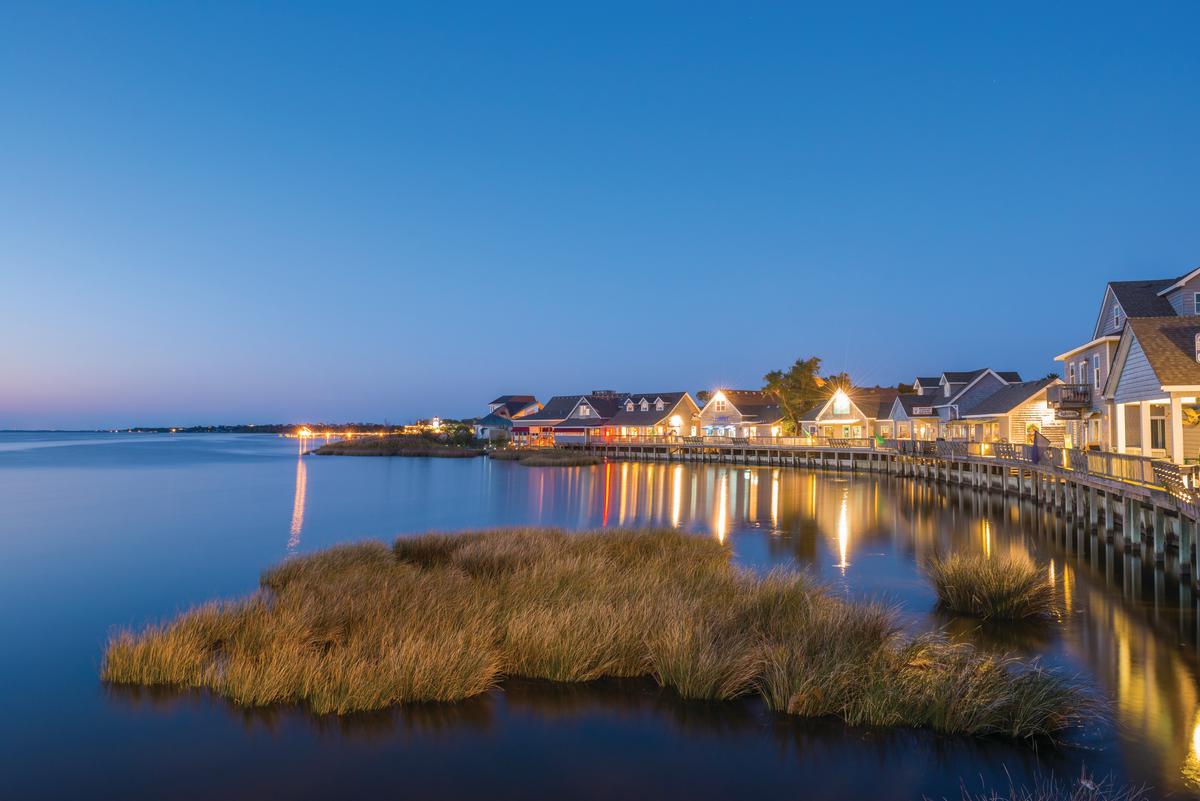
A small, upscale resort village on the northern Outer Banks, built around a mile-long boardwalk on Currituck Sound that links its shops and restaurants. The ocean beach is private: the town keeps its accesses for people renting or staying in town, so it only works as a base, not a day trip. In return it runs one of the longest guarded seasons on the coast, from May through October, and well-behaved dogs may play off leash on the sand.
Nags Head
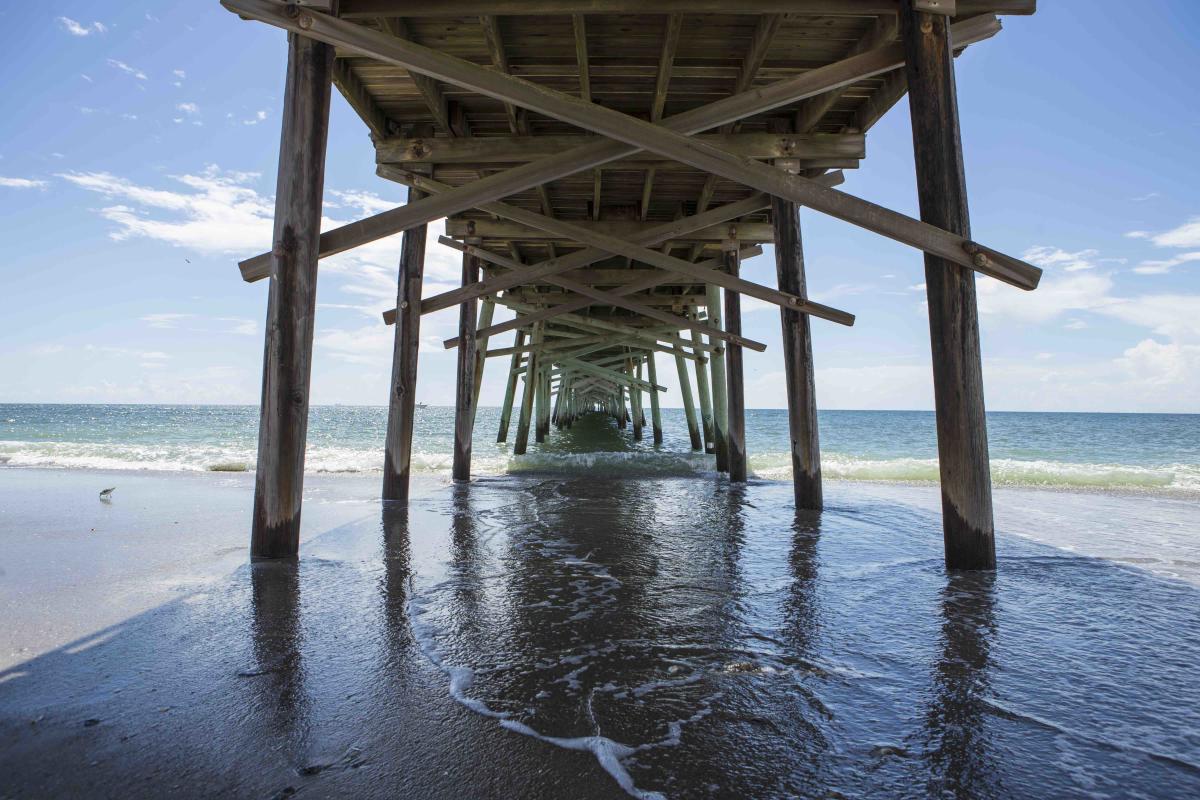
One of the best-known Outer Banks towns, with everything a beach week needs: rentals and motels, grocery stores, an outlet mall, and two ocean piers, including Jennette's Pier with its aquarium exhibits. Across the bypass, Jockey's Ridge State Park has the tallest natural sand dunes in the eastern US, where people fly kites, sandboard and take hang-gliding lessons. Parking at the town's beach accesses is free and leashed dogs are welcome all year. It gets very crowded in summer, so the off-season is the time for space to yourself.
Cape Hatteras National Seashore
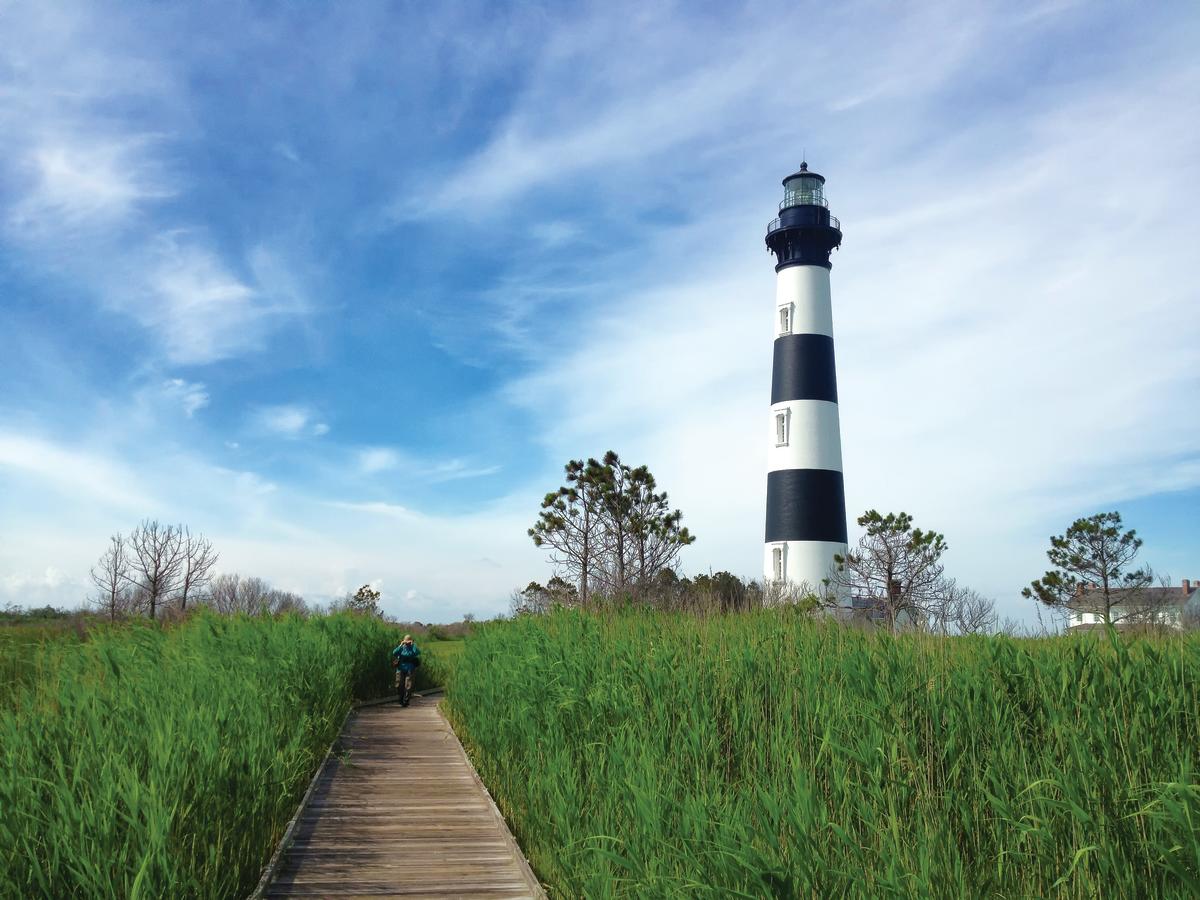
The national park that covers most of the Outer Banks from Bodie Island down through Hatteras Island to Ocracoke, with long stretches of undeveloped beach between small villages. Its landmark is the Cape Hatteras Lighthouse at Buxton, and the park staffs lifeguards at five beaches in summer. Away from those beaches it is ramp access and four-wheel-drive country, popular with surf fishers and surfers. Leashed dogs are welcome, but not on the designated swim beaches.
Ocracoke Island
A 16-mile island at the southern end of the Outer Banks, reachable only by boat, where Blackbeard hid out and died in 1718. Most of it is national seashore, so after the free ferry from Hatteras you drive 13 miles past open dunes and marsh before reaching the small, walkable village. The beaches are known for shelling, and the water is warmer than farther north. The catch is the ferry line, which can run one to two hours in summer.
Cape Lookout National Seashore
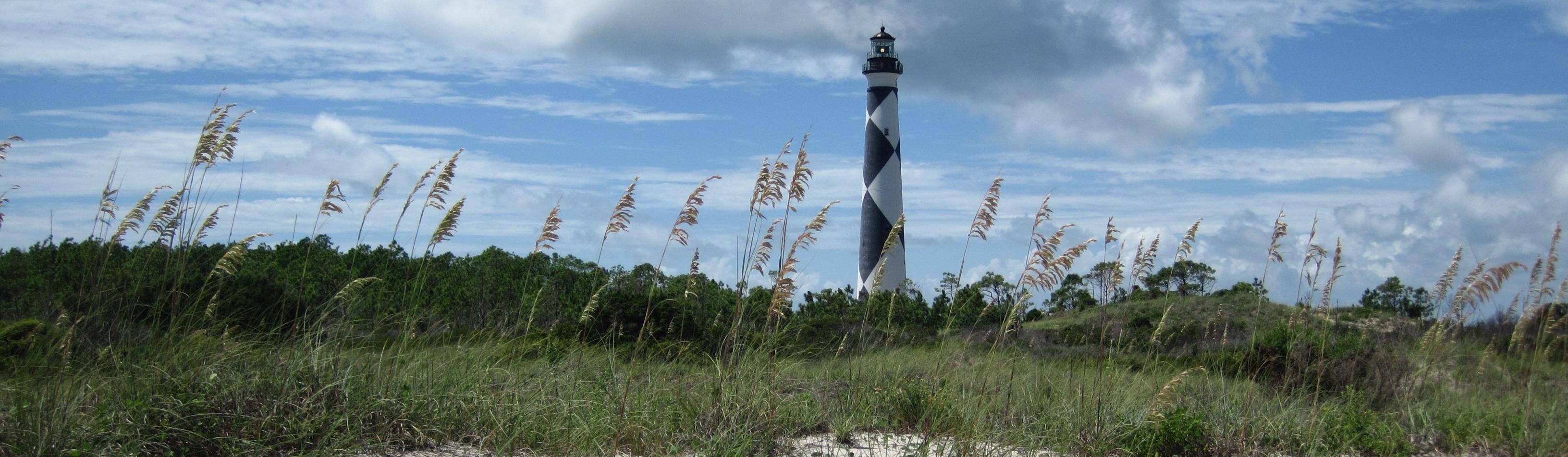
A chain of undeveloped barrier islands three miles offshore, with 56 miles of beach and no bridges. Passenger ferries run from Harkers Island and Beaufort to the lighthouse and Shackleford Banks, and vehicle ferries carry four-wheel drives to the Core Banks from Davis and Atlantic. Visitors come for the Cape Lookout Lighthouse, the wild horses of Shackleford Banks, shelling and camping, and it is an International Dark Sky Park. There are no lifeguards, so swimming is at your own risk.
Atlantic Beach
A lively Crystal Coast town and the first stop off the causeway, about 150 miles from Raleigh, so it is the easiest weekend run from the Triangle. It has a boardwalk, fishing piers, souvenir shops and every kind of water rental. At the island's eastern tip, Fort Macon State Park pairs a Civil War fort with a guarded swimming beach and a bathhouse. It can draw a crowd in peak summer, and the town's own lifeguard season ends in mid-August.
Emerald Isle
Twelve miles of beach at the western end of Bogue Banks, a sleepier and slightly more upscale spot than Atlantic Beach, with more condos and cottages than hotels. It has its own causeway from the mainland, the Bogue Inlet Pier, surf lessons and paddleboarding. The town guards its main accesses from April through September, longer than most of the coast, and leashed dogs are welcome all year.
Bear Island (Hammocks Beach State Park)
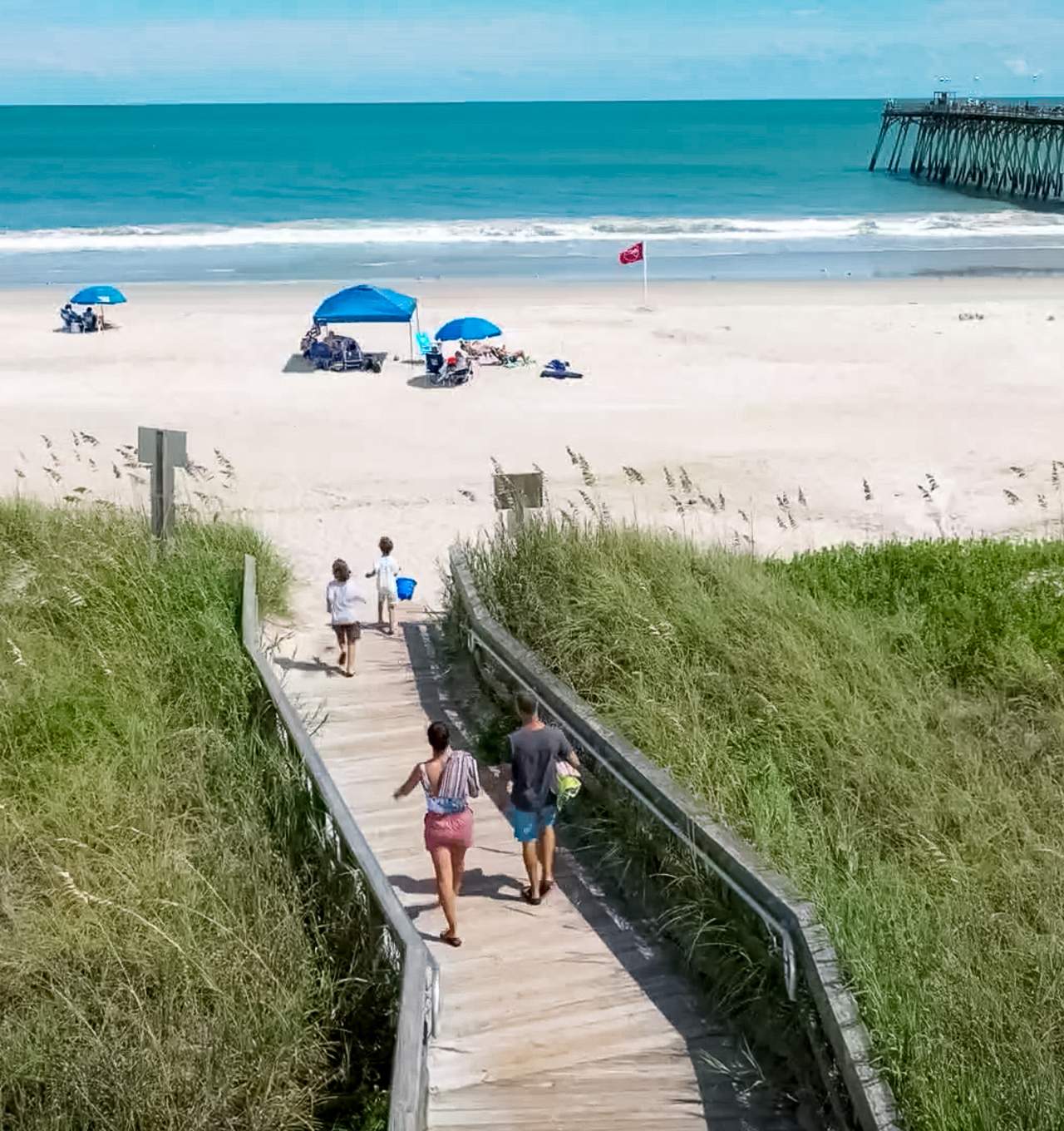
A 4-mile undeveloped barrier island inside Hammocks Beach State Park near Swansboro, reached by the park's passenger ferry from April through October or by paddling across the marsh. There are no houses or roads, only dunes, tidal pools and shorebirds, and it is the one North Carolina state park where you can camp right on the ocean beach, all year. Lifeguards and a concession stand operate from Memorial Day through Labor Day. Dogs are allowed on a 6-foot leash, but not on the ferry or in the swimming area, so a dog can only come over by private boat or kayak.
Topsail Island
A 26-mile barrier island north of Wrightsville Beach shared by three towns: quiet North Topsail Beach, Surf City in the middle as the commercial hub with its ocean pier, and low-rise Topsail Beach at the south end. It is laid-back and family-friendly, with fishing all year and the Karen Beasley Sea Turtle Rescue and Rehabilitation Center, which releases rehabilitated loggerheads back to the sea. Dog rules are among the most relaxed on the coast. Each town sets its own rules, so check parking and beach rules for the end you are staying on.
Wrightsville Beach
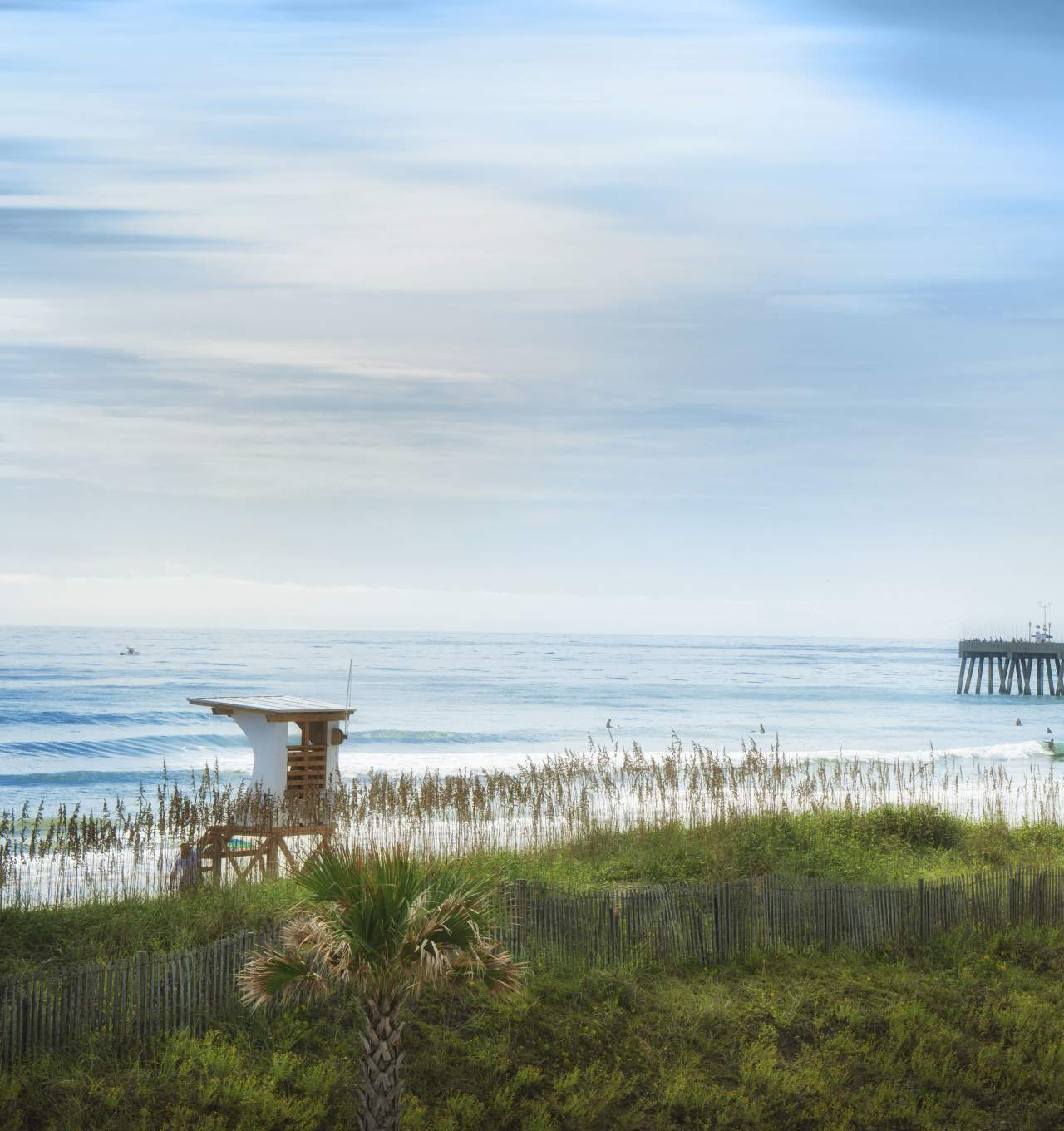
Wilmington's beach, a few minutes from downtown, and the liveliest island on the southern coast: surf schools, sailing and paddleboard rentals, a walkable village of shops and restaurants, and a strong college crowd. National Geographic has named it one of the world's top surfing towns. It is a good year-round choice, but parking is paid eight months a year and dogs are banned from April through September.
Carolina Beach
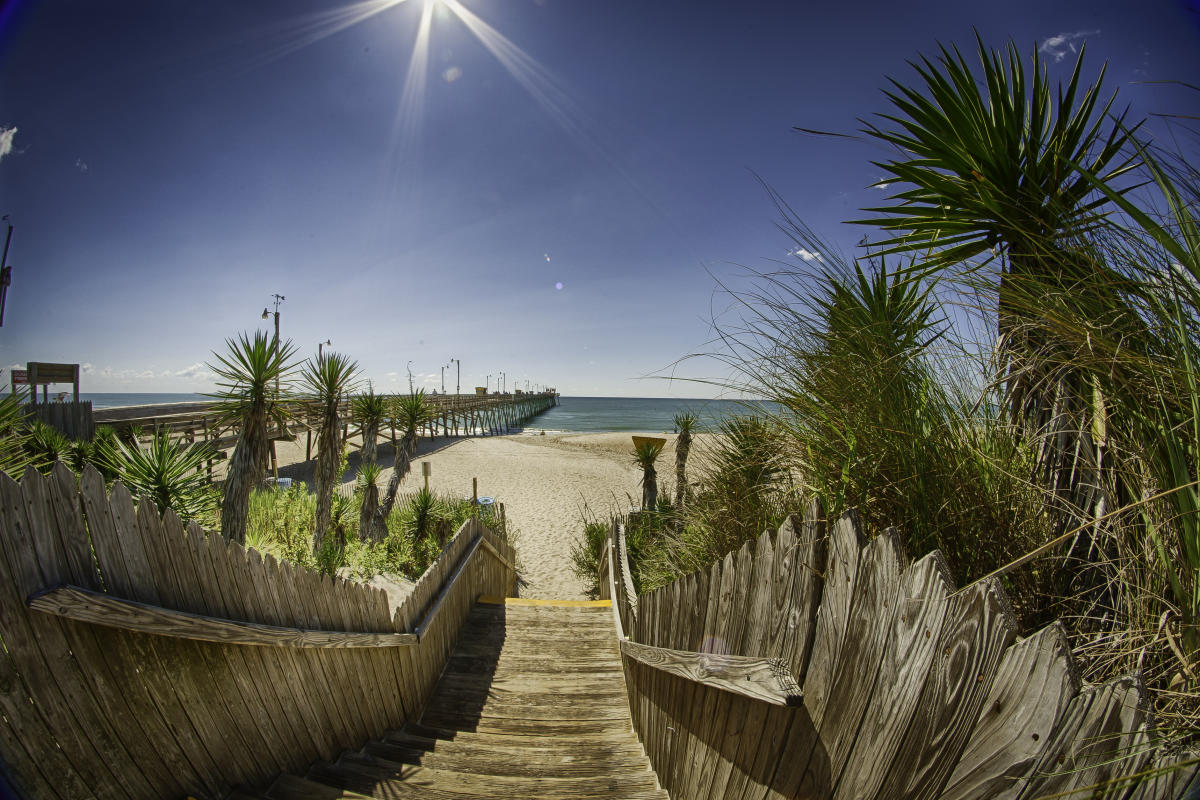
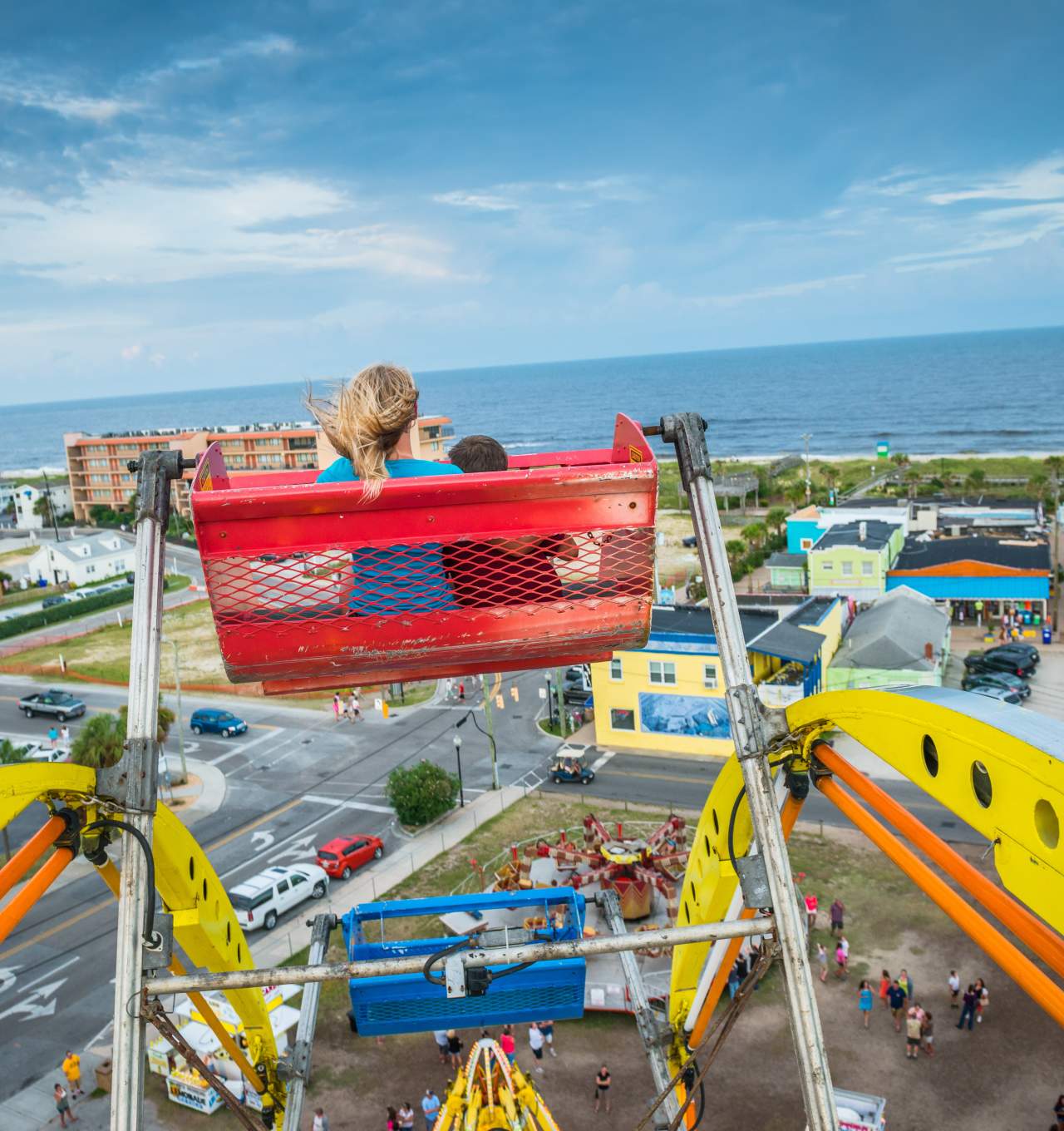
The classic boardwalk town of the southern coast, on Pleasure Island south of Wrightsville Beach, with rides, arcades, live music and summer fireworks along a boardwalk often ranked among the best in the country. Carolina Beach State Park on the river side adds trails, camping and wild Venus flytraps. The guarded strand covers about three miles, and dogs are limited to early mornings and evenings from April through September.
Kure Beach
The quieter southern half of Pleasure Island, a small-town beach about 18 miles from Wilmington with the oldest fishing pier on the East Coast and an oceanfront park. Fort Fisher and the North Carolina Aquarium are just south of town, and scuba divers come for the shipwrecks offshore, including a Civil War blockade runner. Dogs are not allowed on the beach from April through September.
Bald Head Island
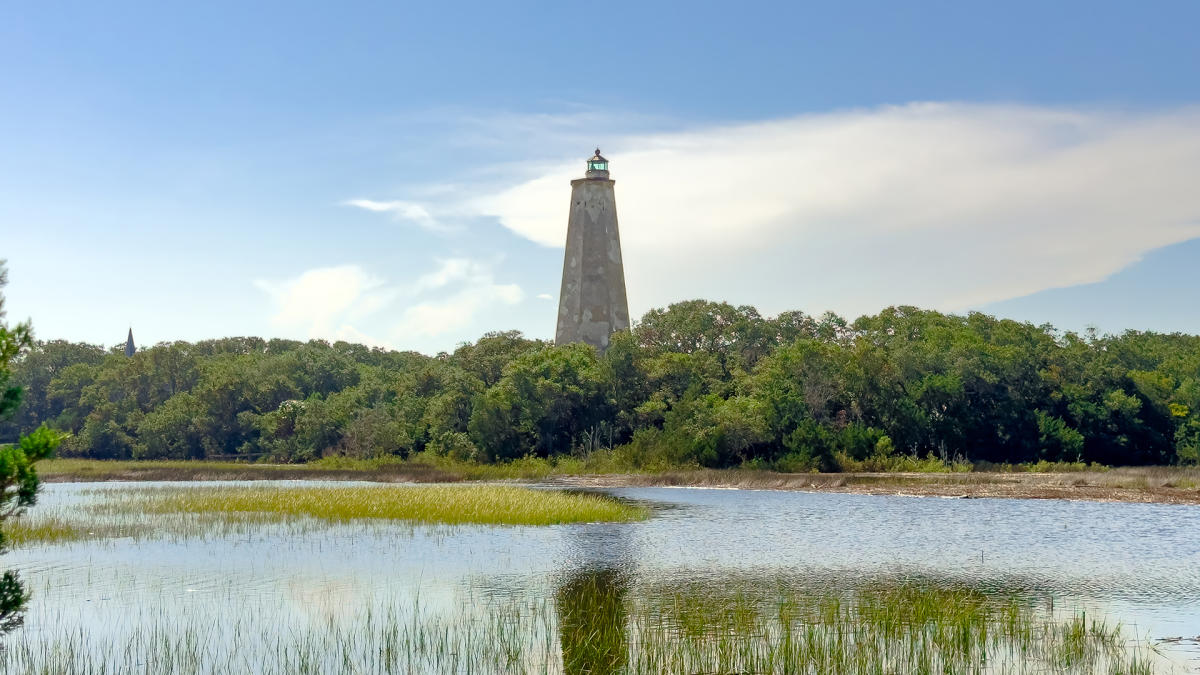
A car-free island at the mouth of the Cape Fear River, reached by a 20-minute ferry from Southport or by private boat, where everyone gets around by bike, boat or golf cart. Most of it is left wild, with maritime forest, salt marsh and 14 miles of beach, and it is one of the state's largest sea turtle nesting sites. Old Baldy, the oldest standing lighthouse in North Carolina, is the landmark. There are no lifeguards, so swimming is at your own risk. It is slightly upscale, and a day trip means planning around the ferry.
Oak Island
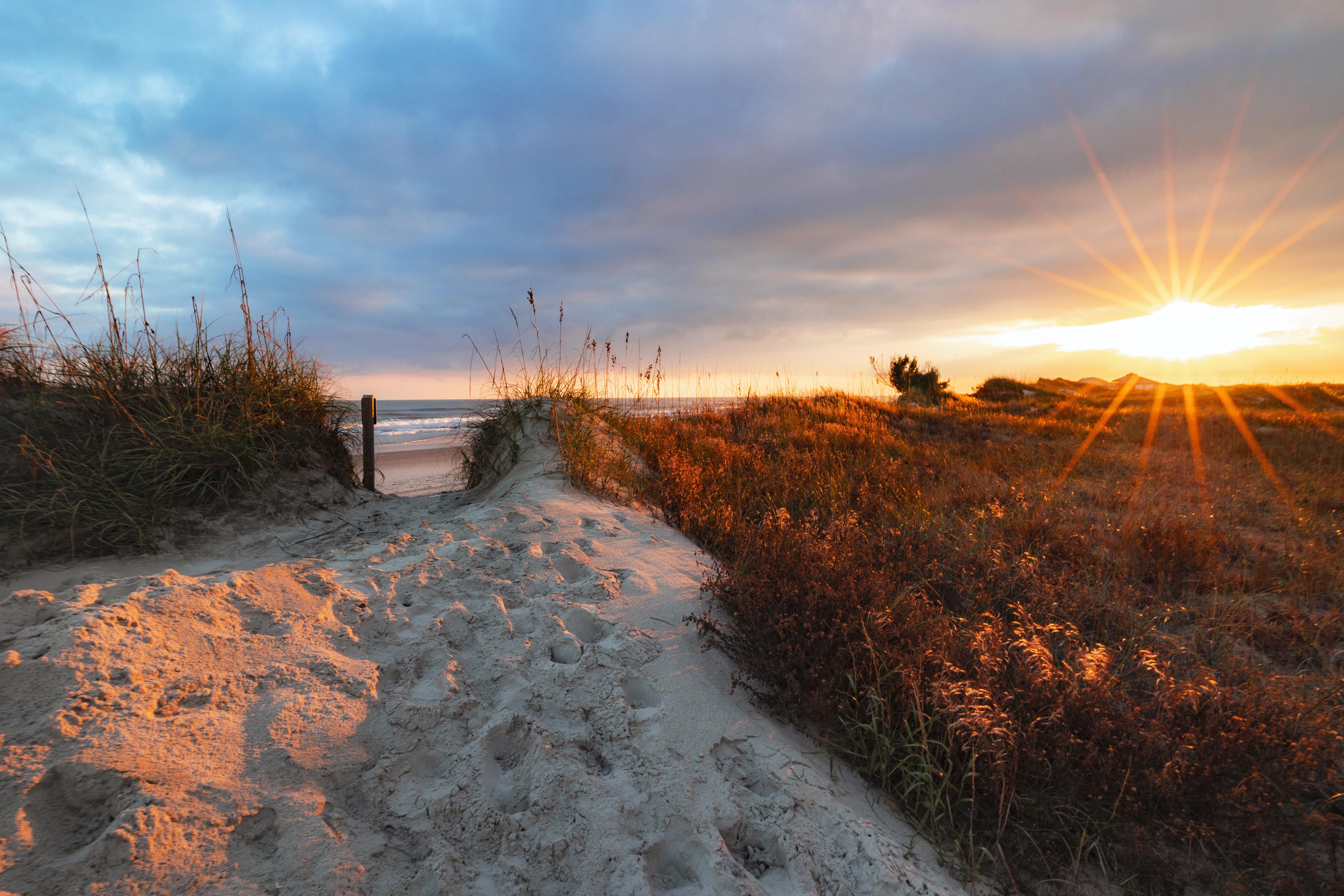
An old-fashioned family beach town with more than 10 miles of south-facing shoreline, so you can see both sunrise and sunset over the water. It has two ocean fishing piers, more than 60 public accesses, kayak launches and the Oak Island Lighthouse. It is one of the most dog-friendly beaches in the state, with leashed dogs allowed all year and off-leash time in the off-season. The town patrols the beach with its Beach Safety staff rather than listing staffed stands.
Ocean Isle Beach
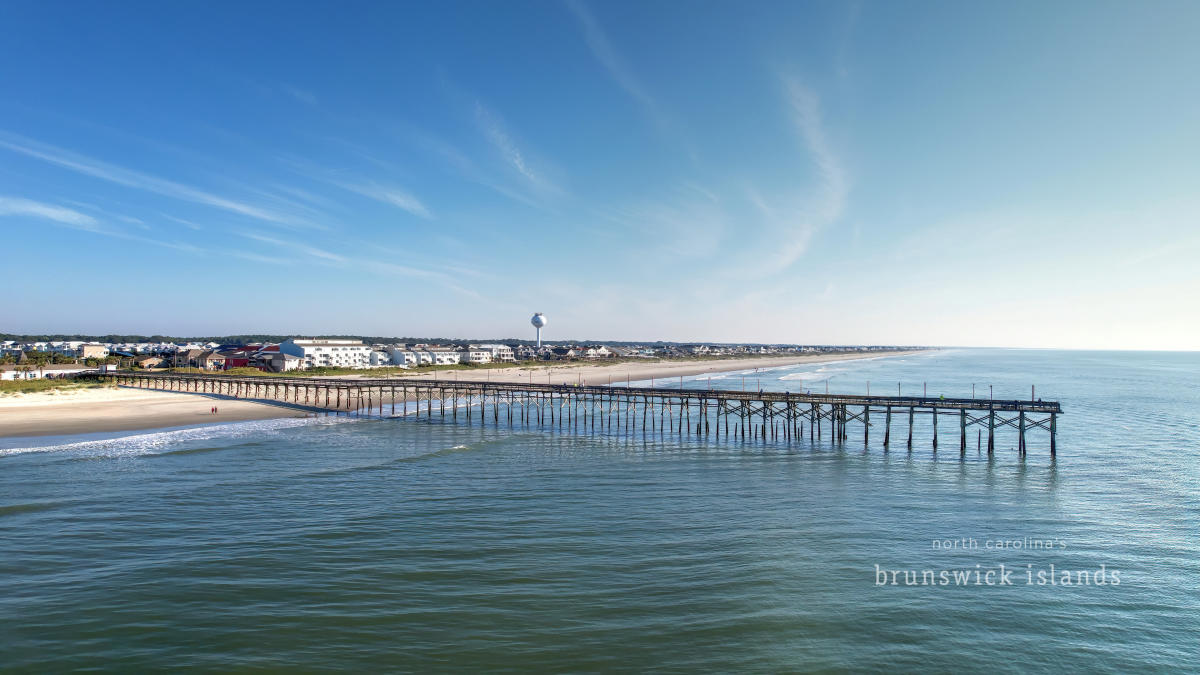
A small Brunswick island where families have come back for generations, with a fishing pier, waterfront restaurants with outdoor decks, and the Museum of Coastal Carolina and its touch tank. Sea turtle hatchlings are a summer highlight, and the surf here is a favorite with local surfers. The town has no lifeguards and keeps dogs off the beach during summer days. Paid parking runs April through October.
Sunset Beach
The southernmost of the Brunswick Islands, near the southern edge of the state, and on National Geographic's list of the best beaches in the world. There are no boardwalks or high-rises, and the classic outing is the walk to undeveloped Bird Island and the Kindred Spirit Mailbox, where visitors leave notes in the notebooks inside. From late fall to early spring you can watch the sun rise and set over the water. There are no lifeguards, and dogs are off the sand during summer days.
How we researched this
We read Visit North Carolina's guides to lifeguarded and dog-friendly beaches, the National Park Service pages for Cape Hatteras and Cape Lookout, NC State Parks' Hammocks Beach page, the regional tourism sites for the Outer Banks, Crystal Coast, Wilmington and the Brunswick Islands, town government pages on parking and beach rules, the Village of Bald Head Island's visitor page, and the Lonely Planet, World Beach Guide and TravelAwaits guides, and recorded each value with the sentence it came from. The set is the beaches that recur across those roundups, spread along the whole coast. Kill Devil Hills, Kitty Hawk, Southern Shores, Holden Beach, Pine Knoll Shores, Fort Fisher, Masonboro Island and Lake Lure, a freshwater beach in the mountains, were left out.
A blank cell means no page we read stated that detail, not that the answer is no. Beach Length mixes town strands with whole islands and national seashores, so compare it within a kind. Parking fees, dog hours and lifeguard seasons change from year to year, so confirm them with the town or park before you go.