best hiking shoes for flat feet
Updated .
| Option | Price | Waterproof | Weight | Heel-to-Toe Drop | Heel Counter Stiffness | Midsole Firmness | Wide Sizes |
|---|---|---|---|---|---|---|---|
The default answer for flat feet, and it earns it: the platform is broad, the nylon shank keeps the midfoot from folding, and the midsole is the firmest foam in this table, so the arch has something to press against instead of sinking. Merrell sells it in a wide width and the insole lifts straight out if you wear custom orthotics. The trade-offs are weight and breathability: testers call it heavy for a low-top and note that the GORE-TEX lining runs warm, and its shock absorption is modest, so long days on hardpack can feel harsh. | $185source | Waterproofsource | 15.9source | 10.9source | 4source | 55.5source | Yessource |
The same chassis as the GORE-TEX Moab without the membrane, forty dollars cheaper and noticeably cooler in summer heat. Testers rate its foam almost as firm as the waterproof version and praise the stable platform and out-of-the-box comfort, and it comes in wide. Its heel counter is a step softer than the GORE-TEX model's, so it holds the rearfoot a little less firmly, and puddles will get through. Pick this one if you hike dry trails and want the Moab support without the sauna. | $145source | 15.3source | 11.2source | 3source | 54.8source | Yessource | |
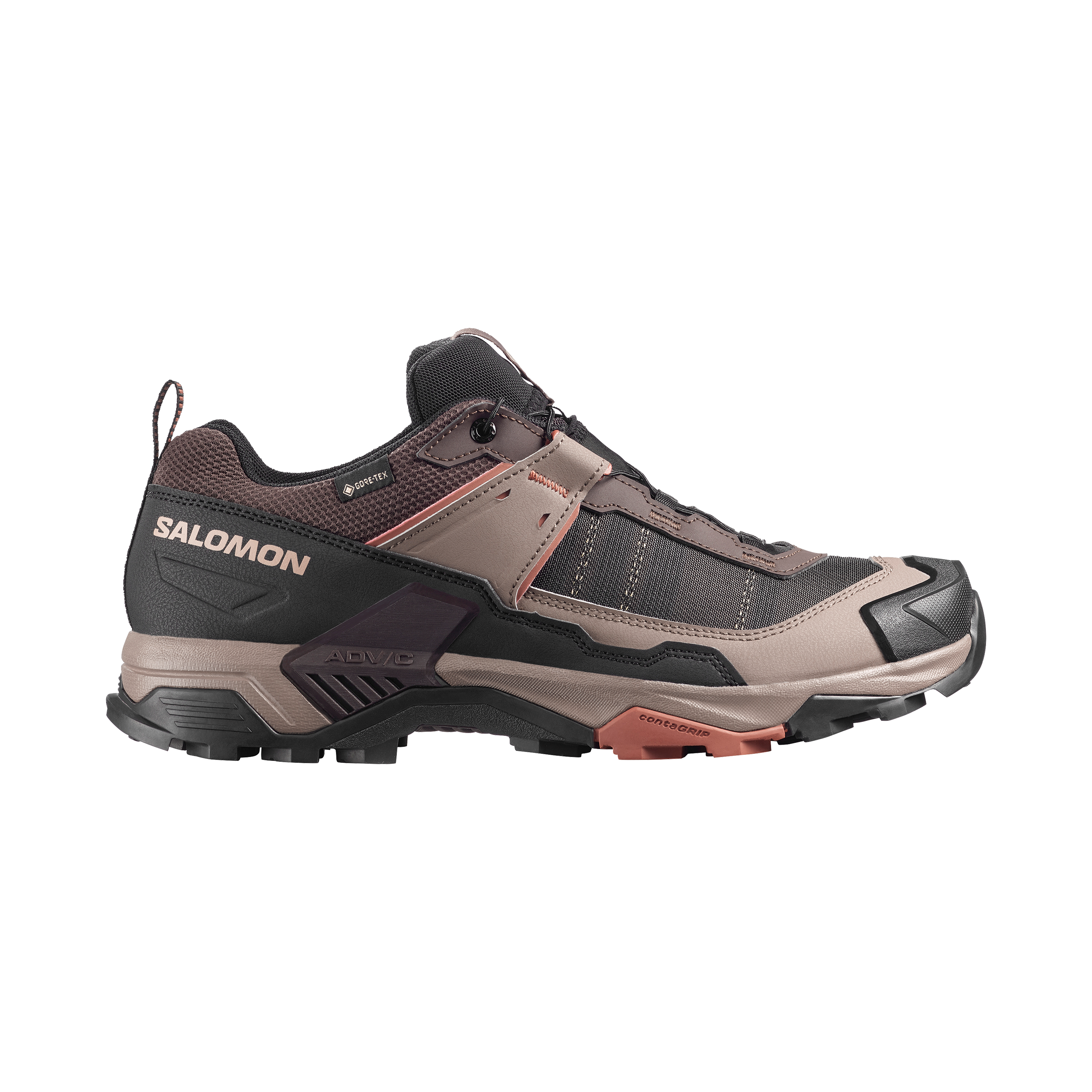
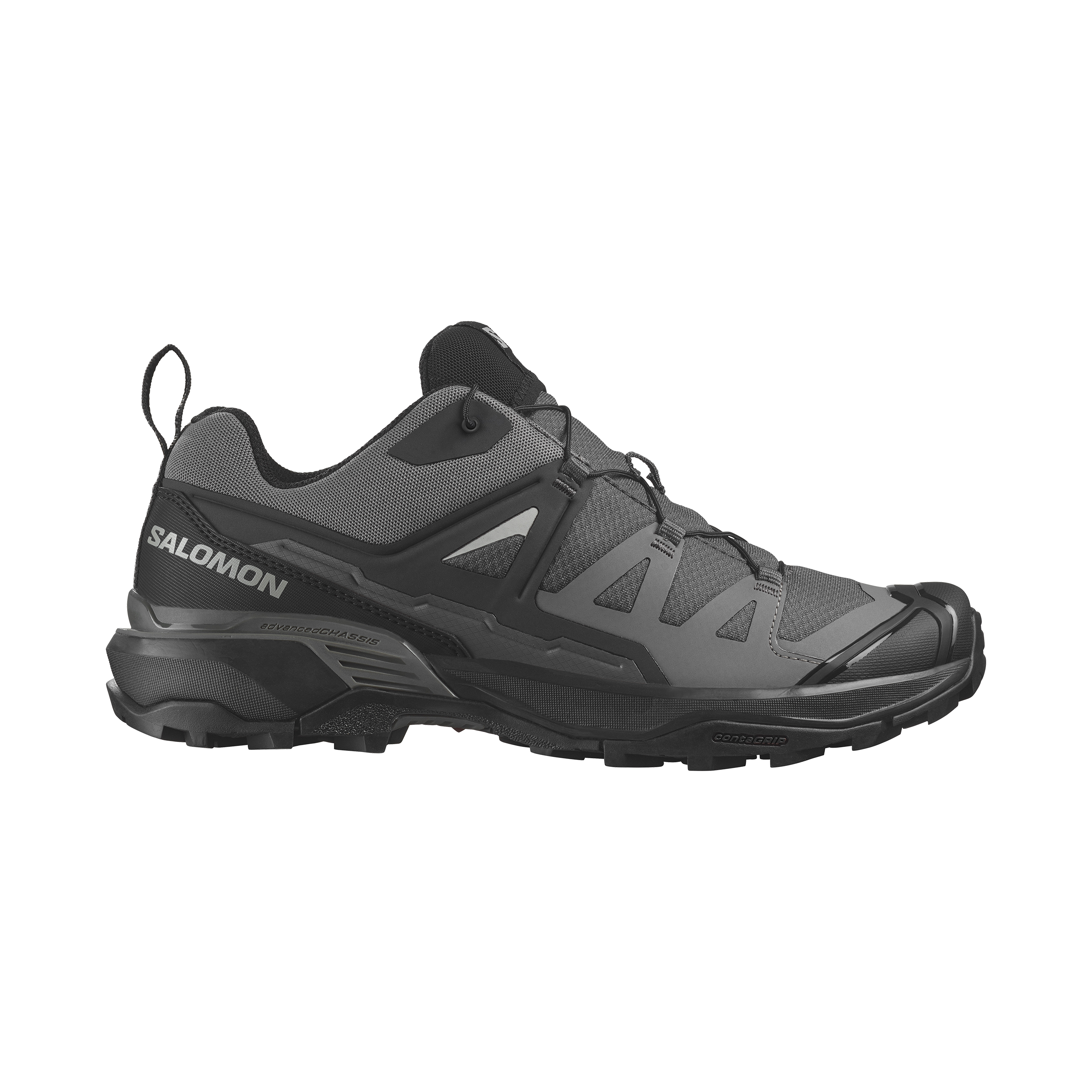
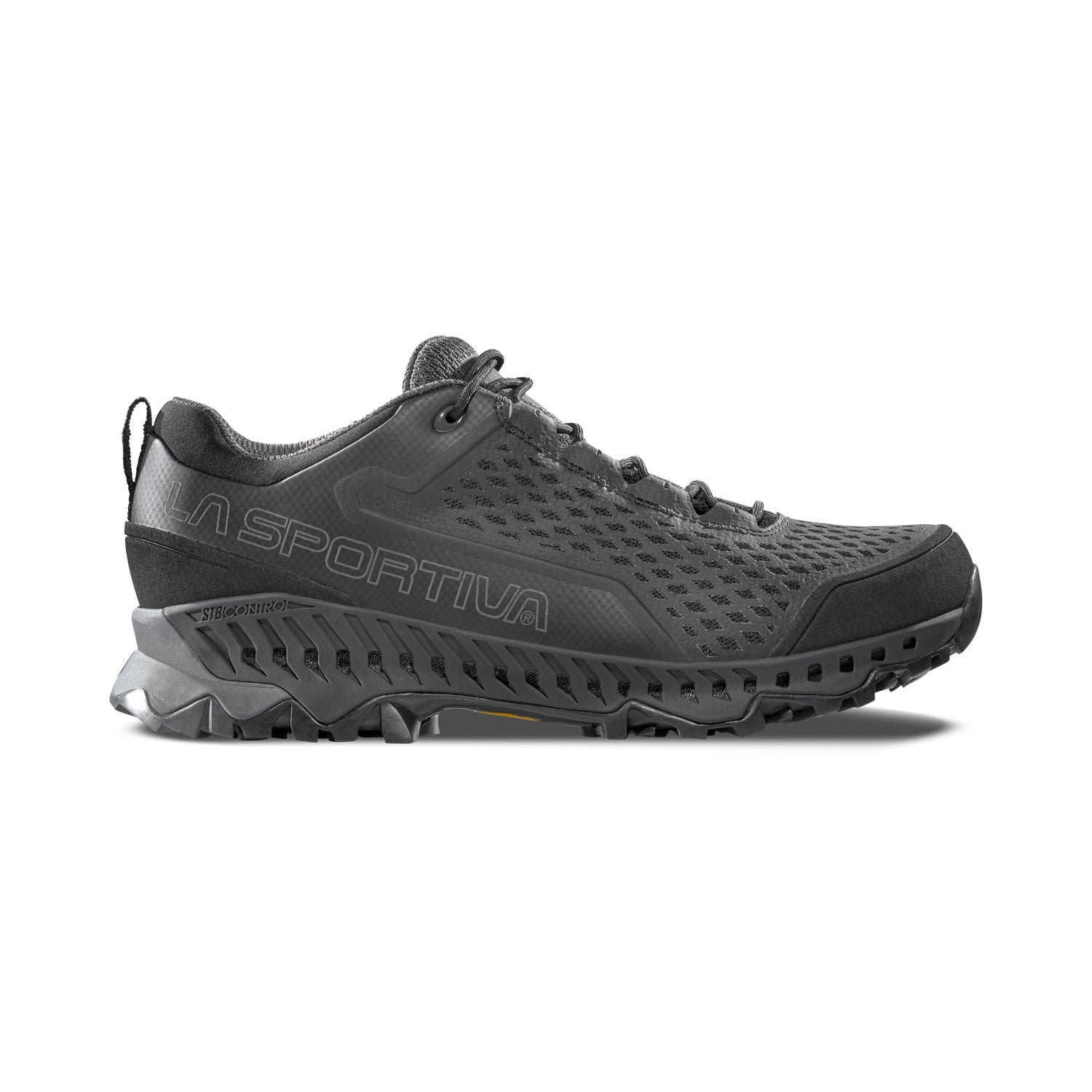
Salomon builds a molded chassis into the outsole and wraps the midfoot in support wings, and the lab bears it out: one of the stiffest heel counters here sitting on one of the firmest midsoles. That combination is the mechanical answer to an arch that collapses inward, and Salomon sells a separate wide version for feet that splay. Testers flag two things: the fit runs narrow in the standard width, and cushioning is minimal, so it rewards a foot that wants control rather than plush. | $175source | Waterproofsource | 13.3source | 12source | 5source | 53source | Yessource |
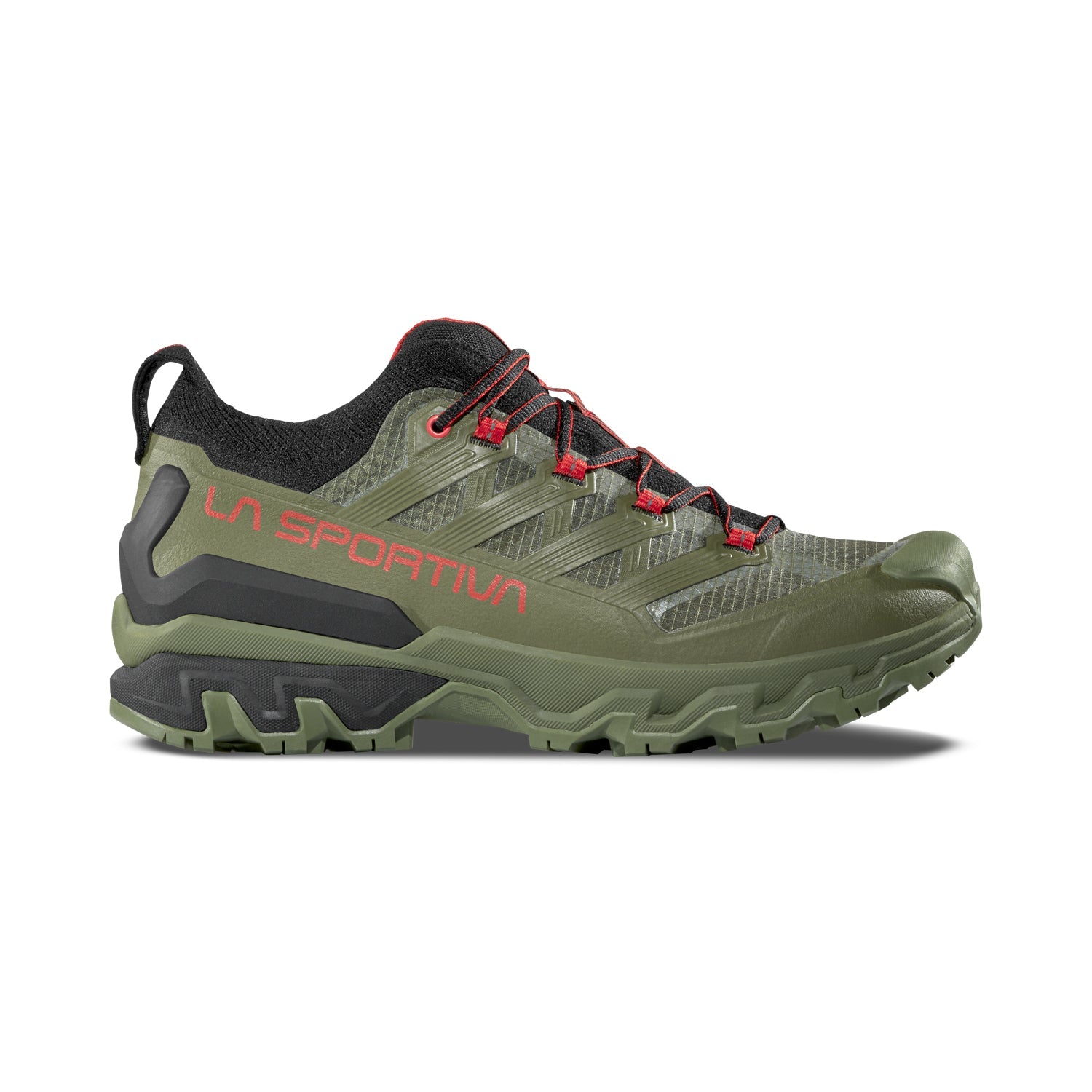
The cheapest shoe in this table and the one that gives up the least for the money. It carries the same stability chassis idea as the pricier X Ultras, and the lab reading is firm enough that testers said their feet never buckled on all-day mixed terrain. Skipping the membrane keeps it light and genuinely breathable for summer, which is the point of it. It is not built for technical ground, the men's version comes in standard width only, and it will soak through in wet grass. | $135source | Not waterproofsource | 12.9source | 15.5source | 4source | 49.3source | Nosource |
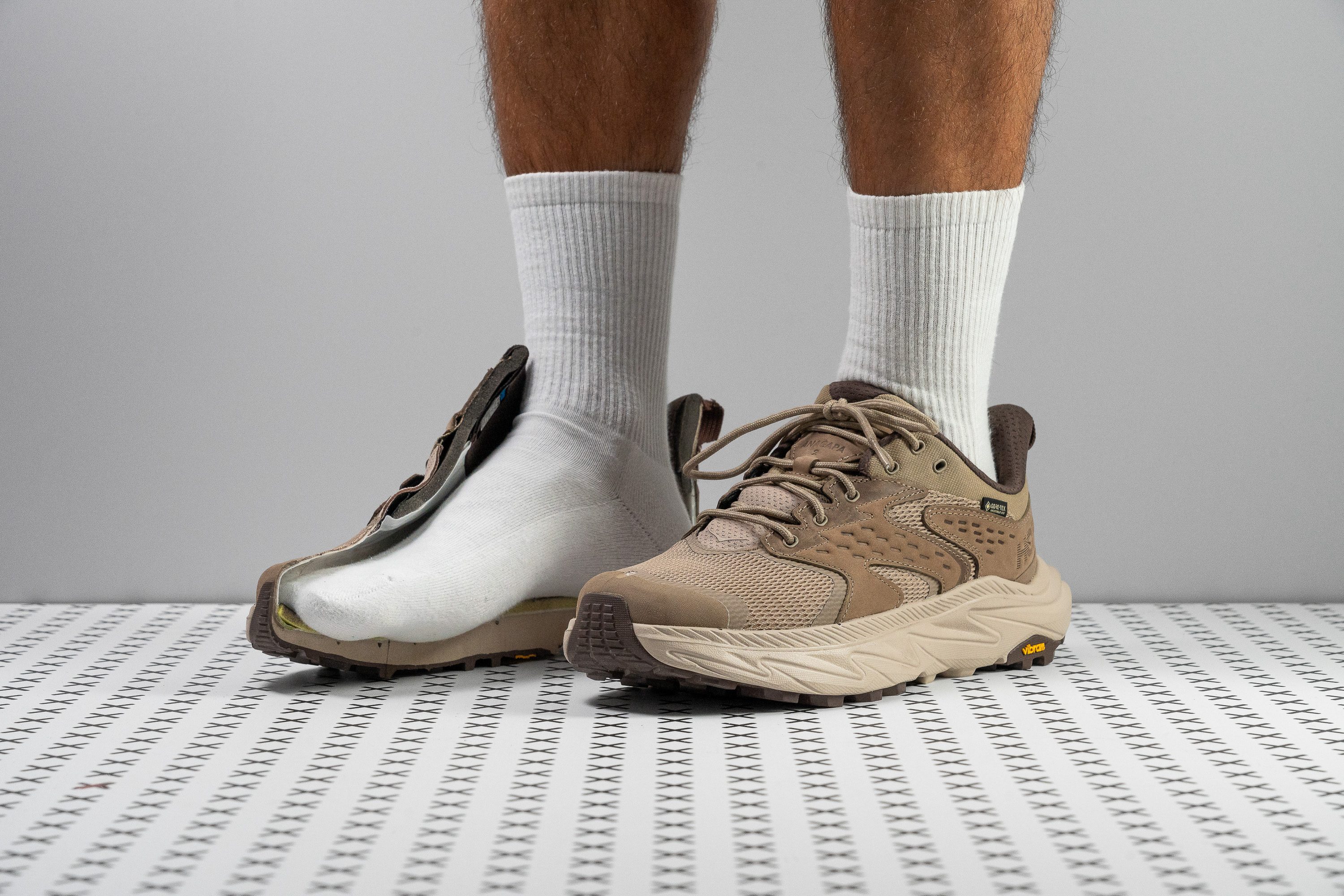
The most boot-like shoe here without being a boot. It sits on the tallest, widest platform in this table and resists twisting harder than anything else tested, which is why reviewers describe it as boot-grade stability for backpacking, and why it suits a flat foot carrying weight. HOKA also frames the foot in a molded heel cradle rather than relying on a hard heel counter alone. The costs are real: it is the heaviest shoe in the table, the priciest, blocky on rocky ground, and it comes in narrow and standard widths only, so wide feet should look elsewhere. | $220source | Waterproofsource | 16.4source | 12.1source | 4source | 37.7source | Nosource |
The comfortable middle of this table: a broad, high-stack platform that testers single out for side-to-side containment, paired with foam that reads firm on the durometer rather than squishy. That wide base is doing much of the stability work, and unlike the Kaha it is sold in a wide width. Its heel counter is the softest of the shoes here that were lab-rated, so if your ankle rolls in hard you may want something stiffer. Reviewers also note the mesh panels are not the most durable and the midsole stiffens up in the cold. | $180source | Waterproofsource | 14.1source | 12source | 3source | 43.2source | Yessource |
The roomy one. Its toebox measures wider than any other shoe tested here and it is sold in a wide width on top of that, which matters because a flattened arch usually means a foot that spreads under load. Testers call the cushioning firm but protective and the stability excellent, with no break-in, and it is the second cheapest shoe in the table. It is also the heaviest, and reviewers say traction on wet rock is its weak point. Not the shoe for a narrow foot. | $135source | Waterproofsource | 17.1source | 12.5source | 4source | Yessource | |
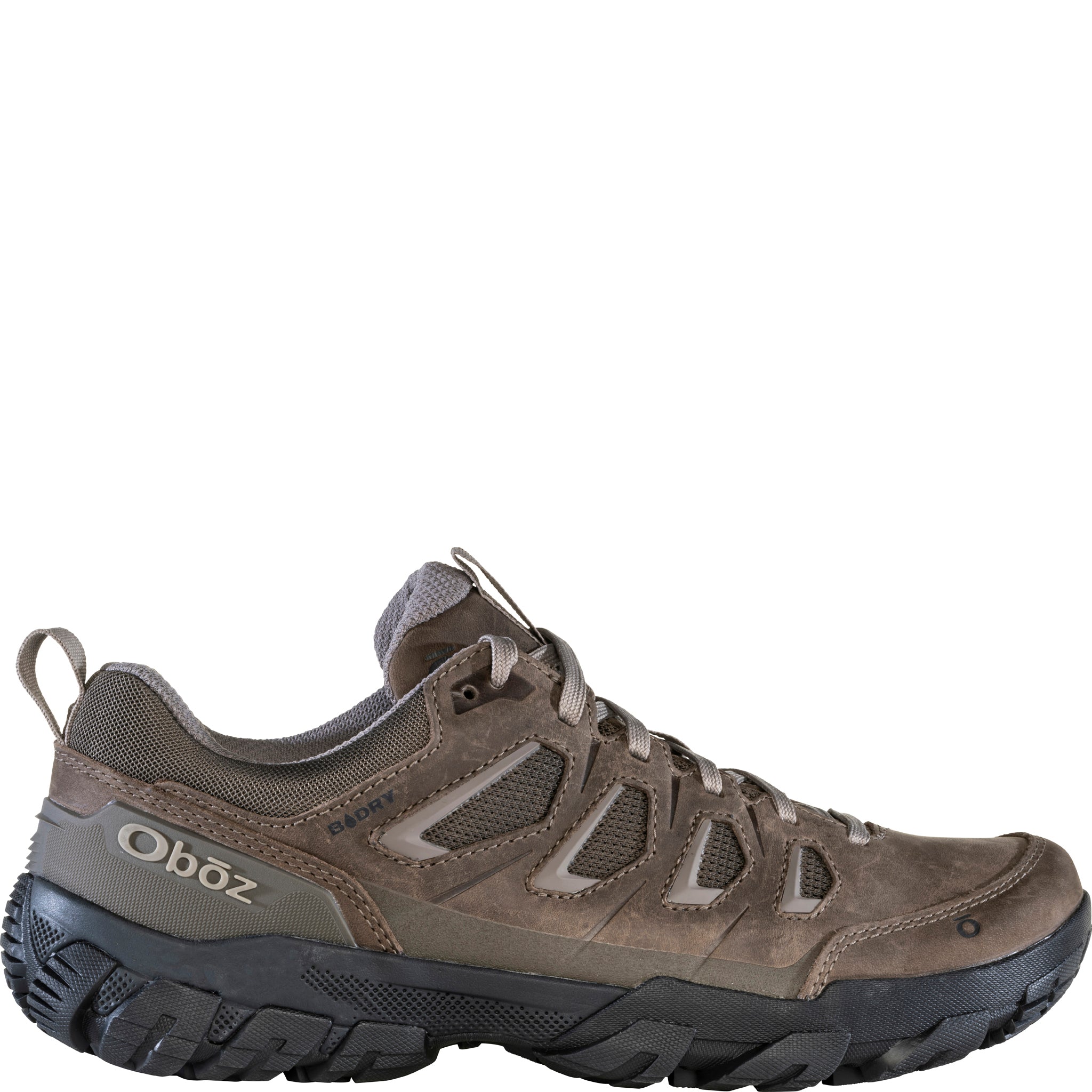
Oboz is the one brand here that ships a genuinely supportive footbed in the box rather than a flat sock liner, and that is why it comes up constantly in flat-foot conversations: the O FIT insole has a firm molded shell, a deep heel cup and arch support built in, so many people never buy an aftermarket orthotic. It comes in a wide width, it is waterproof, and it is one of the heavier shoes here. Two caveats: this is the redesigned X version, and some longtime Oboz wearers say the new footbed feels flatter than the model it replaced, so try before you commit. | $185source | Waterproofsource | 16.9source | 8source | Yessource | ||
Testers describe it as a backpacking boot with the collar cut off, and the numbers back that up: the stiffest heel counter grade alongside the second-firmest midsole in this table, wrapped in sidewalls that hold the foot in line. That is about as much structure as a low-cut shoe can give a collapsing arch, and it is the pick if you carry a pack. It only comes in standard width, it is expensive, and reviewers warn it can feel tippy on rocky ground and gets firmer still in the cold. | $219source | Waterproofsource | 14.8source | 16source | 5source | 52.2source | Nosource |
The light, fast option: a stiff heel counter and strong torsional stability in a shoe that weighs a couple of ounces less than most of this table, which is why testers rate it so highly on steep, technical ground. Its foam is more forgiving than the Salomon or La Sportiva Spire, so the ride is less harsh. The catch for flat feet is fit: it comes in standard width only and reviewers describe a low-volume last that often needs a size up, and there is no membrane, so wet trails will come through. | $169source | Not waterproofsource | 12.2source | 11.7source | 5source | 40.5source | Nosource |
The outlier, and worth understanding before you buy. Altra builds a foot-shaped toebox on an extra-wide, very stable base, and testers rate it top of the table for torsional rigidity and shock absorption, so it is a strong choice for a broad foot on long, non-technical miles. But it is nearly flat: the lab measured a 1.5 mm drop against 11 to 16 mm for everything else here, which asks the arch and Achilles to do more work rather than less. That is the opposite of the usual advice for flat feet, so treat it as a shoe for people who already run or hike well in low-drop footwear. | $210source | Waterproofsource | 14.4source | 1.5source | 4source | 39.9source | Nosource |
The best-scoring hiker in this set on the lab bench: a stiff heel counter, a TPU rock plate and exceptional shock absorption from a nitrogen-infused foam, at a weight well under most of the table. It is also resoleable, which is unusual and pushes the cost-per-mile down over years. For flat feet the appeal is structure without bulk. The limits are fit and weather: the men's version is standard width only, testers explicitly say it is not for wide feet and note a low toebox, and this non-waterproof build is a warm-weather shoe. | $220source | Not waterproofsource | 12.5source | 11.3source | 5source | 35.7source | Nosource |