Bird Watching in San Diego
18 San Diego County birding spots compared on entry fee, habitat, hours and who runs them, from Tijuana Slough to San Elijo Lagoon and Anza-Borrego. Read our take
At a glance
| Option | Entry Fee | Address | Habitat | Site Type | Hours |
|---|---|---|---|---|---|
| Freesource | 301 Caspian Way, Imperial Beach, CA 91932source | Coastal lagoon and marshsource | National wildlife refugesource | Sunrise to sunset, dailysource | |
| 2721 Monument Road, San Diego, CA 92154source | River valley and ripariansource | County park or preservesource | Sunrise to sunset on foot; vehicles 8 a.m. to sunsetsource | ||
| Freesource | 1080 Gunpowder Point Drive, Chula Vista, CA 91910source | Coastal lagoon and marshsource | National wildlife refugesource | 10 a.m. to 5 p.m., Wednesday to Sunday (by shuttle)source | |
| 4285 W Point Loma Blvd, San Diego, CA 92107source | Coastal lagoon and marshsource | City park or open spacesource | |||
| $20source | 1800 Cabrillo Memorial Drive, San Diego, CA 92106source | Coastal sage scrub and chaparralsource | National monumentsource | 9 a.m. to 5 p.m. dailysource | |
| Freesource | 1 Father Junipero Serra Trail, San Diego, CA 92119source | Coastal sage scrub and chaparralsource | City park or open spacesource | Visitor center 9 a.m. to 5 p.m. dailysource | |
| $5source | 9310 Fanita Parkway, Santee, CA 92071source | Freshwater lakes and pondssource | Water district preservesource | 7 a.m. to 5 p.m. Monday to Thursday, 6 a.m. to 5 p.m. Friday to Sunday (through March)source | |
| $10source | 12600 N Torrey Pines Road, San Diego, CA 92037source | Coastal lagoon and marshsource | State park or reservesource | Closed to all visitors until March 2027 (beach lots stay open)source | |
| 12020 Black Mountain Road, San Diego, CA 92129source | River valley and ripariansource | County park or preservesource | Sunrise to sunset on foot; vehicles 8 a.m. to sunsetsource | ||
| 2710 Manchester Avenue, Cardiff, CA 92007source | Coastal lagoon and marshsource | Ecological reservesource | Sunrise to sunset; Nature Center lot 9 a.m. to 5 p.m.source | ||
| 7380 Gabbiano Lane, Carlsbad, CA 92011source | Coastal lagoon and marshsource | Ecological reservesource | |||
| Freesource | 2202 S Coast Highway, Oceanside, CA 92054source | Coastal lagoon and marshsource | Ecological reservesource | Sunrise to sunset, dailysource | |
| 17430 Highland Valley Road, Ramona, CA 92065source | Grassland and oak savannasource | County park or preservesource | Sunrise to sunset on foot; vehicles 8 a.m. to sunsetsource | ||
| $10source | 13652 Highway 79, Julian, CA 92036source | Mountain forest and meadowsource | State park or reservesource | 8 a.m. to sunsetsource | |
| $10source | 19952 State Park Road, Palomar Mountain, CA 92060source | Mountain forest and meadowsource | State park or reservesource | 8 a.m. to sunset, dailysource | |
| $10source | 200 Palm Canyon Drive, Borrego Springs, CA 92004source | Desertsource | State park or reservesource | Visitor center 9 a.m. to 5 p.m. daily; its lot 7 a.m. to 7 p.m.source | |
| 2525 Bacon St, San Diego, CA 92107source | Coastal lagoon and marshsource | City park or open spacesource | |||
| 2055 Pacific Beach Drive, San Diego, CA 92109source | Coastal lagoon and marshsource | Viewing platforms on Crown Point Drive; entry by approved visit request onlysource |





Our take
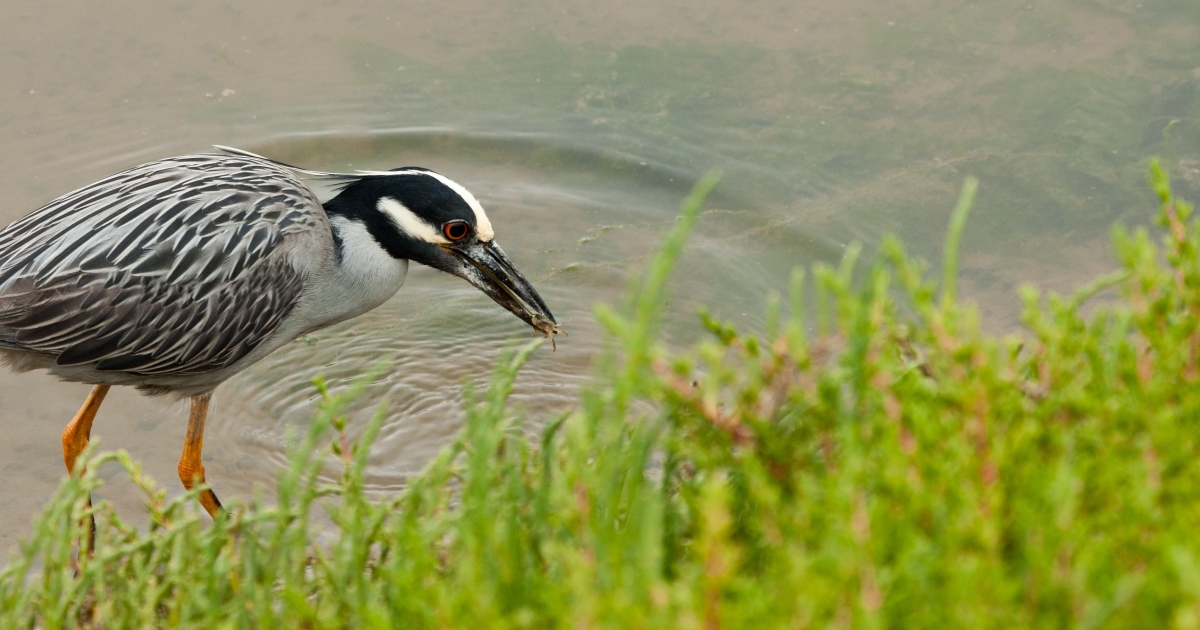
For the most birds in one morning, start at Tijuana Slough National Wildlife Refuge in Imperial Beach: the refuge says 370 species have been spotted there, it costs nothing to visit, and the trails are open from sunrise to sunset. In North County, San Elijo Lagoon Ecological Reserve plays the same role, with trails open at sunrise and over 300 species recorded according to San Diego Bird Alliance.
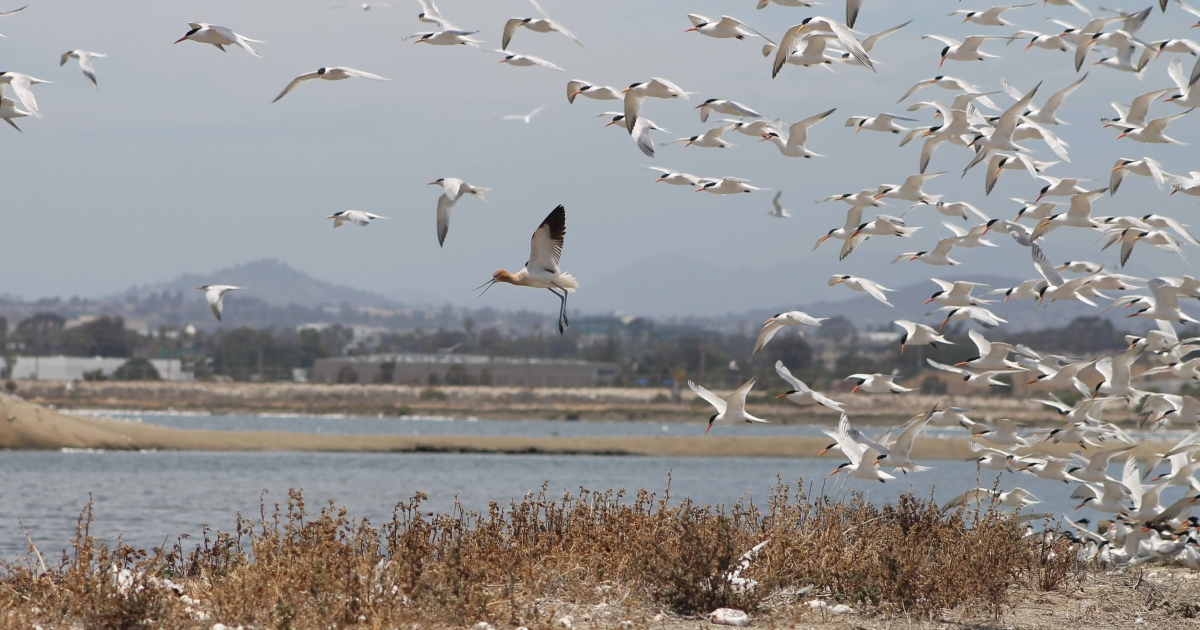
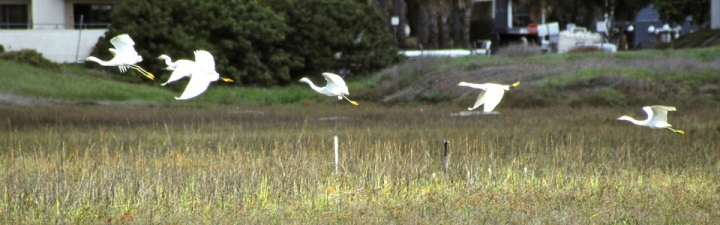
The real split in this table is habitat. Nine of the 18 sites are coastal lagoons and marshes, from the San Diego River Estuary at Robb Field and Famosa Slough to Buena Vista Lagoon, and they are where the shorebirds, rails, terns and waterfowl are. For raptors and songbirds you head inland: Ramona Grasslands County Preserve for golden eagles and burrowing owls, Los Penasquitos Canyon Preserve and Tijuana River Valley Regional Park for creekside woodland, Palomar Mountain and Cuyamaca Rancho for mountain forest, and Anza-Borrego for desert.
Our picks
- Biggest bird list: Tijuana Slough National Wildlife Refuge. A free coastal refuge open sunrise to sunset, where the refuge reports 370 species spotted.
- Best North County lagoon: San Elijo Lagoon Ecological Reserve. A coastal estuary with trails open at sunrise and over 300 species recorded.
- Best for raptors: Ramona Grasslands County Preserve. Grassland and oak savanna open on foot from sunrise, with golden eagles foraging over it.
- Easiest with kids: Santee Lakes Recreation Preserve. Freshwater lakes with about 230 species, $5 weekday parking and a campground and store on site.
- Spring migration trip: Anza-Borrego Desert State Park. Desert habitat for a car, with Swainson's hawks passing through from mid-February into April.
Free sunrise access or paid daytime gates
Birds are most active early, so the hours column matters more than it looks. Tijuana Slough, Buena Vista Lagoon, San Elijo Lagoon, Los Penasquitos Canyon, Tijuana River Valley and Ramona Grasslands all let you walk in at sunrise, and none of them posts a fee. Mission Trails Regional Park is free too, with its visitor center open 9 a.m. to 5 p.m.
The paid sites open later. Cabrillo National Monument charges $20 a car and keeps 9 a.m. to 5 p.m. hours, and Palomar Mountain and Cuyamaca Rancho open at 8 a.m. for $10. Sweetwater Marsh is free to walk but only reachable by shuttle, 10 a.m. to 5 p.m., Wednesday to Sunday.
Torrey Pines is closed until March 2027
Torrey Pines State Natural Reserve has been closed to all visitors since Sept. 22, 2026, trails and upper parking lots included, and State Parks has scheduled it to reopen in March 2027. Only Torrey Pines State Beach and its two beach lots stay open, at $10 to $25 a car. Until then, Los Penasquitos Canyon Preserve, about 7 miles inland, is the closest open site here for canyon and creek birding, and San Elijo Lagoon is the nearest big salt marsh.
Coastal lagoons or inland habitats
If you only have a morning near the coast, the lagoon sites are alike in kind but not in size or access: Famosa Slough is a 37-acre stop you can reach by bus, while Tijuana Slough covers 1,079 acres and San Elijo 979. Inside the city, the San Diego River Estuary at Robb Field puts salt marsh and sand dunes beside Ocean Beach, and Kendall-Frost Marsh in Mission Bay is watched from two platforms on Crown Point Drive because entering the reserve takes an approved visit request. Buena Vista Lagoon is the odd one out, a freshwater lagoon rather than salt marsh, which is why it holds grebes, ducks and geese.
Inland sites add birds the coast does not have. Ramona Grasslands is open grassland and oak, Mission Trails Regional Park mixes sage scrub, chaparral and riparian woodland around its visitor center, and Santee Lakes is the one freshwater lake site, with about 230 species on its list.
Planning the mountain and desert trips
Anza-Borrego is a seasonal trip: the Swainson's hawk migration runs from mid-February into April, and summer days can reach 125 degrees. Palomar Mountain has no gas stations and takes its $10 day-use fee in cash or check only. At Cuyamaca Rancho you can park in a legal highway turnout and walk in free instead of paying the day-use fee.
The options in detail
Tijuana Slough National Wildlife Refuge
The estuary where the Tijuana River meets the Pacific, right at the Mexican border, and the refuge says 370 bird species have been spotted here, the longest list on this page. Boardwalks and observation decks run out from the Tijuana Estuary Visitor Center in Imperial Beach, and the trails connect to the wider reserve. San Diego Bird Alliance points birders here for rails, terns, marsh birds and gnatcatchers. The visitor center itself keeps shorter hours (Wednesday to Sunday, 10 to 5) than the trails.
Tijuana River Valley Regional Park
More than 1,800 acres of river valley just inland from the estuary, running from dense willow and cottonwood along the Tijuana River up to sage scrub on Spooner's Mesa. It is the riparian counterpart to the salt marsh next door, so it adds songbirds that the coast does not hold. The county runs a Bird and Butterfly Garden inside the park at 2310 Hollister Street, the easiest starting point. The county page does not list a parking fee.
Sweetwater Marsh, San Diego Bay National Wildlife Refuge
Salt marsh and mudflats on the Chula Vista bayfront, among the last left on San Diego Bay, managed for the endangered California least tern, light-footed Ridgway's rail and western snowy plover. You cannot drive in: you park free off E Street and take the Living Coast Discovery Center shuttle, which runs about every 15 minutes, Wednesday to Sunday. Walking the 1.5 miles of refuge trail is free, though the Discovery Center charges its own admission. The late 10 a.m. start means no first-light birding here.
Famosa Slough
A small 37-acre wetland between Ocean Beach and the Sports Arena area, owned by the City of San Diego and looked after by a volunteer friends group. San Diego Bird Alliance rates it highly for its salt marsh and mudflats, and it is one of the few spots here you can reach by bus from Old Town. The Friends of Famosa Slough lead a guided nature walk on the third Saturday of each month, meeting at the west gate. It is a quick, compact stop rather than a half-day outing.
Cabrillo National Monument
The tip of Point Loma, where coastal scrub meets rocky shoreline and tidepools, and the Park Service names California quail, Anna's hummingbird and American kestrel among its regulars. The cliffs also make it a lookout over the ocean: San Diego Bird Alliance says you can pick out Western Gulls, Black-vented Shearwaters and the occasional pelagic bird from here. It is the most expensive stop on this list at $20 a car, and the gates keep 9 to 5 hours, so early morning birding is out.
Mission Trails Regional Park
More than 8,000 acres of rugged hills, valleys and open land inside the City of San Diego, the biggest single park on this list. The Visitor Center Loop passes through coastal sage scrub, chaparral and riparian woodland, so a short walk covers several habitats. Volunteer trail guides lead free bird walks on the third Saturday of each month and the Friday before, from 8 to 10:30 a.m., at different spots around the park. Entry is free and the park is open daily, with the visitor center keeping 9 to 5 hours except on New Year's Day, Thanksgiving and Christmas.
Santee Lakes Recreation Preserve
Seven recycled-water lakes on 190 acres in Santee, run by the Padre Dam water district, and the preserve counts about 230 bird species that live here or pass through in winter. It is the most developed site on this list, with a campground, a general store and pedal boats, which makes it easy with kids. Parking costs $5 on weekdays and $8 on weekends, and the gates open at 6 a.m. Friday to Sunday.
Torrey Pines State Natural Reserve
Cliffs and ravines above the ocean between La Jolla and Del Mar, home to the rare Torrey pine and, as State Parks puts it, one of the last salt marshes and waterfowl refuges in Southern California. Rangers note coveys of California quail on fall and winter mornings. The reserve has been closed to all visitors since Sept. 22, 2026, trails, Lodge and upper lots included, for a utility and accessibility project, and State Parks has scheduled the reopening for March 2027. Torrey Pines State Beach and its North and South Beach lots stay open, with demand-priced parking from $10 and $12 up to $25.
Los Penasquitos Canyon Preserve
A canyon of about 3,700 acres between Rancho Penasquitos and Mira Mesa, with shaded trails on both sides of a year-round creek and chaparral on the slopes above. The City of San Diego counts more than 175 types of birds here, and a freshwater marsh draws great blue herons and egrets. About 12 miles of trail start from the Black Mountain Road staging area, and a waterfall at the west end runs in spring. Neither the city nor the county page lists a parking fee.
San Elijo Lagoon Ecological Reserve
A 979-acre estuary between Cardiff and Solana Beach, one of the largest wetlands in the county, with 7 miles of easy trails through salt marsh, freshwater areas and scrub. San Diego Bird Alliance calls it a premier birding destination with over 300 species recorded. The Nature Center Loop Trail is the classic walk, with signs along the way that help identify birds. The Nature Center's 19-space lot keeps 9 to 5 hours, but the trails open at sunrise and several trailheads start from Solana Beach neighborhoods.
Batiquitos Lagoon Ecological Reserve
A 544-acre coastal lagoon in south Carlsbad with mudflats, salt marsh and willow along a mostly flat 1.6-mile trail that suits families and casual walkers. Visit Carlsbad notes endangered Ridgway's rails and California least terns, and Go Visit San Diego puts the bird list at over 200 species. The volunteer Batiquitos Lagoon Foundation runs a small nature center at the west trailhead and free docent-led walks on the third Saturday of the month. The trailhead sits at the end of a residential street and public parking is very limited.
Buena Vista Lagoon Ecological Reserve
A 206-acre freshwater lagoon in Oceanside, unusual on a coast of salt marshes, and effectively a bird sanctuary since a 1939 county ban on firing guns around it. The state lists cormorants, grebes, terns, ducks and geese among its birds. Buena Vista Audubon runs a nature center on Coast Highway, open 10 a.m. to 1 p.m. when a volunteer host is in, so call ahead, and most of its programs and tours are free.
Ramona Grasslands County Preserve
A 3,867-acre preserve of open grassland, vernal pools and oak in the Santa Maria Valley, inland near Ramona. The county counts over a hundred types of birds, including golden eagles that forage over the grass and burrowing owls. Not all of the acreage is open to the public, and the trail was rerouted farther from a golden eagle nest so it no longer has to close in nesting season. Parking is along the shoulder of Rangeland Road.
Cuyamaca Rancho State Park
Oak woodland with scattered pines, meadows and creeks at 4,000 to 5,000 feet, about 50 miles east of San Diego on Highway 79. It is the place on this list to bird mountain woodland rather than coast, with more than 100 miles of trail from the Paso Picacho and Green Valley areas. Day use is $10 a car, or park in a legal highway turnout and walk in free. Dogs are not allowed on the trails.
Palomar Mountain State Park
Pine, fir and cedar forest with mountain meadows at about 5,000 feet in northern San Diego County, which State Parks describes as one of the few places in Southern California with a Sierra Nevada feel. That forest is a habitat the coast simply does not have, and Doane Pond adds water. The drive up is steep and there are no gas stations on the mountain. Day use is $10 a car, cash or check only.
Anza-Borrego Desert State Park
California's largest state park, in the desert around Borrego Springs, where the local natural history association counts more than 300 bird species in the region. The big event is spring, when Swainson's hawks pass through the Borrego Valley from mid-February into April and volunteers count them each morning and evening at the Borrego Valley Hawkwatch. Cactus wrens turn up around the Borrego Palm Canyon trail near the visitor center. Summer days can reach 125 degrees, so this is a cool-season trip.
San Diego River Estuary at Robb Field
The mouth of the San Diego River in Ocean Beach, where the river's tidal flats meet the sea beside the city's Robb Field athletic park. San Diego Bird Alliance lists it among its city birding spots for shorebirds, coots and other wetland and marsh birds, and its docents describe salt marsh, sage scrub and sand dune habitats along the trails, with the elusive Ridgway's rail among the residents. Docents lead interpretive walks at 2 p.m. every other Sunday. It sits right beside Ocean Beach's busy dog beach, so expect company, and neither the city nor the Bird Alliance posts a fee or set hours for the river trail.
Kendall-Frost Mission Bay Marsh Reserve
The last patch of salt marsh left in Mission Bay: about 21 acres run by UC San Diego, joined to the City of San Diego's Northern Wildlife Preserve so the two are managed as one 40-acre wetland. You bird it from outside the fence, from two viewing platforms on Crown Point Drive near Honeycutt and Lamont Streets, which the reserve calls the best overview of the marsh. Light-footed Ridgway's rails nest in the cordgrass, and winter brings large rafts of buffleheads, shovelers and gulls. Going inside needs an approved visit request, and access past the edge is limited from February 15 to September 15 for nesting birds.
How we researched this
We read each site's own pages from the agencies that run them (the U.S. Fish and Wildlife Service, the National Park Service, California State Parks, the California Department of Fish and Wildlife, San Diego County Parks, the City of San Diego, UC San Diego's Natural Reserve System and the Santee Lakes and Nature Collective sites), plus San Diego Bird Alliance's site guide, Buena Vista Audubon, Visit Carlsbad, the San Diego tourism authority and the Anza-Borrego natural history association for bird notes. Each value was recorded with the sentence it came from. A blank fee or hours cell means the managing agency's page did not state it, not that the site is free or always open.
The set covers the county's public birding sites from the border to Oceanside and out to the desert. Crown Point Park, also in San Diego Bird Alliance's guide, is covered by the Kendall-Frost entry beside it; Lake Murray and Lake Miramar, two city reservoirs from the same guide, were not included. Hours change by season, Torrey Pines is closed for construction until March 2027, and shuttles and volunteer nature centers can close, so check the site's page before you go.