National and State Parks Within an Hour of San Diego
This table holds five federal sites and nine state parks and beaches within an hour of San Diego, and only one of them, Cabrillo National Monument on Point Loma, belongs to the National Park Service. The other national lands are Cleveland National Forest in the back country and three wildlife refuges spread from the Jamul hills to the bay and the border estuary, while California State Parks runs everything from Old Town's historic plaza to the mountain campgrounds of Cuyamaca Rancho, about an hour east on Highway 79.
The badge matters less than the rules. Five of the fourteen list a campground, the table shows leashed dogs allowed at just two, and entry runs from $0 at the Tijuana Slough and San Diego Bay refuges to $20 at Cabrillo.
Our picks
- Mountain trails and a campground: Cuyamaca Rancho State Park. More than a hundred miles of trails, including the climb up Cuyamaca Peak, and two family campgrounds, for a $10 day-use fee.
- Camping above the surf: San Elijo State Beach. A bluff-top campground with hookups looking over the water, and a reef in a State Marine Conservation Area for tidepooling, with $8 day use.
- A free, flat walk with the dog: Tijuana Slough National Wildlife Refuge. No entry fee, leashed dogs allowed, gentle trails, and more than 370 bird species recorded in the estuary.
- Winter whale watching: Cabrillo National Monument. Gray whales from the overlook in winter, and the $20 vehicle pass is good for seven days.
- A morning among rare trees: Torrey Pines State Natural Reserve. Trails through the Torrey pine, the rarest pine in the country, short enough to walk in a morning, for $12.
At a glance
| Option | Day-Use Fee | Address | Park Type | Managed By | Camping | Dogs |
|---|---|---|---|---|---|---|
| $20source | 1800 Cabrillo Memorial Drive, San Diego, CA 92106source | National Monumentsource | National Park Servicesource | No campingsource | Limited areas onlysource | |
| 3348 Alpine Blvd., Alpine, CA 91901source | National Forestsource | U.S. Forest Servicesource | Campground on sitesource | |||
| 14715 Highway 94, Jamul, CA 91935-3805source | National Wildlife Refugesource | U.S. Fish and Wildlife Servicesource | No campingsource | Allowed on leashsource | ||
| Freesource | 301 Caspian Way, Imperial Beach, CA 91932source | National Wildlife Refugesource | U.S. Fish and Wildlife Servicesource | No campingsource | Allowed on leashsource | |
| Freesource | 1080 Gunpowder Point Drive, Chula Vista, CA 91910source | National Wildlife Refugesource | U.S. Fish and Wildlife Servicesource | Not allowedsource | ||
| $12source | 12600 N. Torrey Pines Road, San Diego, CA 92037source | State Natural Reservesource | California State Parkssource | No campingsource | Not allowedsource | |
| $15source | 12600 N. Torrey Pines Road, San Diego, CA 92037source | State Beachsource | California State Parkssource | No campingsource | Not allowedsource | |
| $10source | 13652 Highway 79, Julian, CA 92036source | State Parksource | California State Parkssource | Campground on sitesource | Limited areas onlysource | |
| $12source | 5000 Highway 75, Coronado, CA 92118source | State Beachsource | California State Parkssource | Campground on sitesource | Limited areas onlysource | |
| $5source | 1500 Monument Road, San Diego, CA 92154source | State Parksource | California State Parkssource | Limited areas onlysource | ||
| 4002 Wallace St, San Diego, CA 92110source | State Historic Parksource | California State Parkssource | Limited areas onlysource | |||
| 15808 San Pasqual Valley Road, Escondido, CA 92027source | State Historic Parksource | California State Parkssource | ||||
| $8source | 2050 S Coast Hwy 101, Cardiff, CA 92007source | State Beachsource | California State Parkssource | Campground on sitesource | Limited areas onlysource | |
| $10source | 7201 Carlsbad Blvd., Carlsbad, CA 92008source | State Beachsource | California State Parkssource | Campground on sitesource | Limited areas onlysource |




Where dogs can go in San Diego's national and state parks
Of the parks that state a dog rule, only the San Diego and Tijuana Slough wildlife refuges allow leashed dogs. At the other end, Torrey Pines State Natural Reserve bans dogs entirely, even inside a car, and the rule carries down to Torrey Pines State Beach; San Diego Bay National Wildlife Refuge does not allow them either.
Most of the rest sit in between, and the fine print varies. At Cuyamaca Rancho dogs can use the campgrounds and paved roads but not the trails. Silver Strand, San Elijo and South Carlsbad keep them to the campground or parking lots and off the sand, and Old Town allows them in the outdoor plaza but not inside the museum buildings.
Camping within an hour: tents, RVs or a bluff-top site
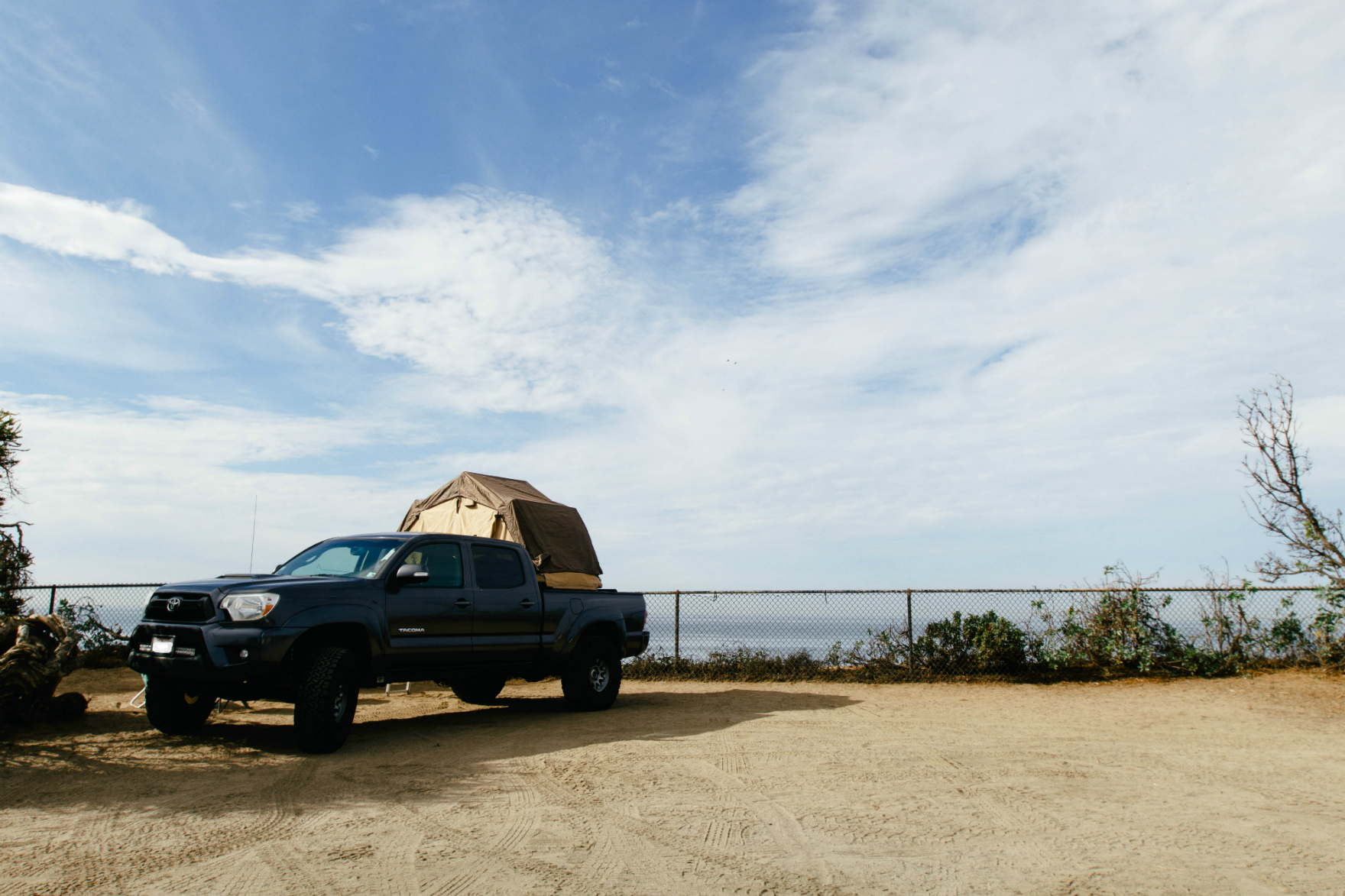
The five parks that list camping are very different. Cuyamaca Rancho's Paso Picacho and Green Valley campgrounds take reservations spring through fall, and Cleveland National Forest has campgrounds but no single gate or main visitor center, so check the district office for fire and road closures first. Silver Strand is RV only, and campers must be in fully self-contained vehicles, so there is no tent option on the strand.
The two North County beaches are the coastal choice. San Elijo's bluff-top sites have hookups and water views, and South Carlsbad's large blufftop campground is popular enough that summer sites book out far ahead.
What the entry fees actually buy
Cabrillo's $20 looks steep until you notice the pass lasts seven days. Torrey Pines charges $12 at the reserve and $15 at the beach below it, and the reserve's lots use demand-based pricing and fill early on weekends, so the posted rate moves. Border Field's $5 is cash only. Old Town's own lots are free for up to four hours. The San Diego Bay refuge's trails are free, but you reach them by parking at the Living Coast Discovery Center, which charges its own admission, and taking its shuttle on limited days.
The options in detail
Cabrillo National Monument
The only National Park Service site in San Diego, at the tip of Point Loma where Juan Rodriguez Cabrillo landed in 1542. The draw is the vantage point: the whole bay and downtown on one side, open ocean on the other, plus the Old Point Loma Lighthouse and a tidepool area reached by a separate road down the cliff. Winter brings gray whale watching from the overlook. It is a headland rather than a wilderness, so plan a half day, and note the vehicle pass is good for seven days.
Cleveland National Forest
The national forest covering San Diego's back country, running from the Mexican border up through the Laguna and Palomar mountains. The Descanso Ranger District, whose office sits in Alpine about half an hour east of downtown, is the piece most San Diegans reach inside an hour: oak and pine country, campgrounds, and long stretches of the Pacific Crest Trail. There is no single gate or main visitor center, so plan around a specific trailhead or campground rather than the forest as a whole, and check the district office for fire and road closures first.
San Diego National Wildlife Refuge
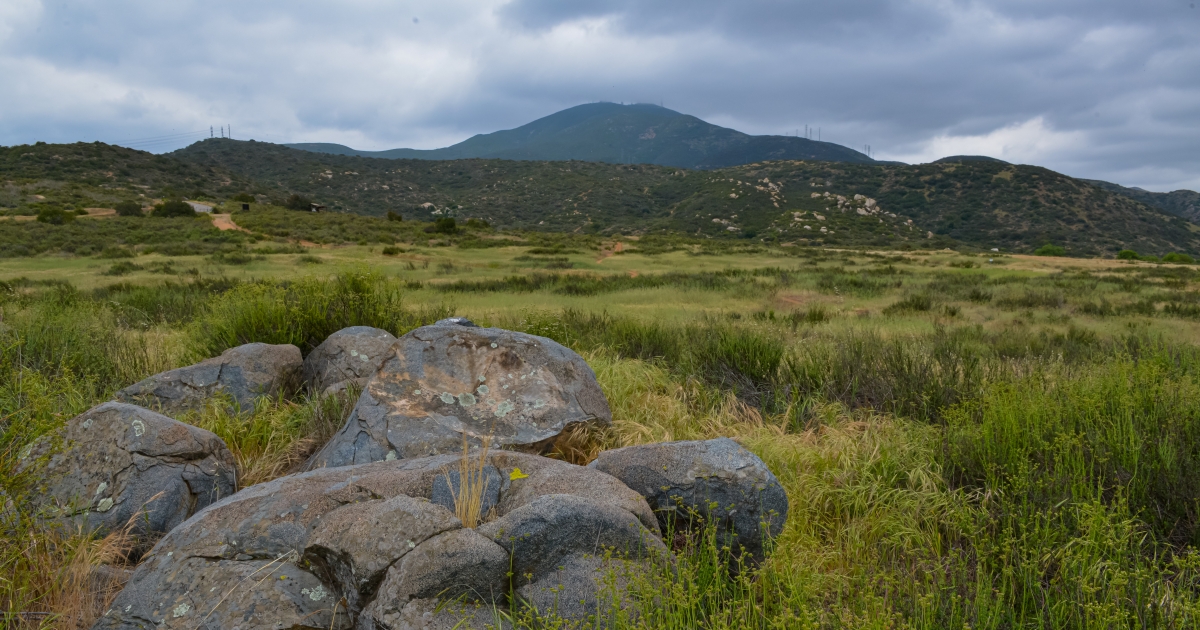
A federal refuge protecting one of the last large stretches of open space in the coastal hills east of the city, spread from Jamul through Spring Valley to eastern Chula Vista. It is working habitat more than a developed park: trails and dirt roads, ranger-led walks, and endangered species you are unlikely to see anywhere else in the county. Birders, mountain bikers and horseback riders get the most out of it, and leashed dogs are welcome, which is rare among the protected lands here. Access points are scattered, so look up a specific trailhead before driving out.
Tijuana Slough National Wildlife Refuge
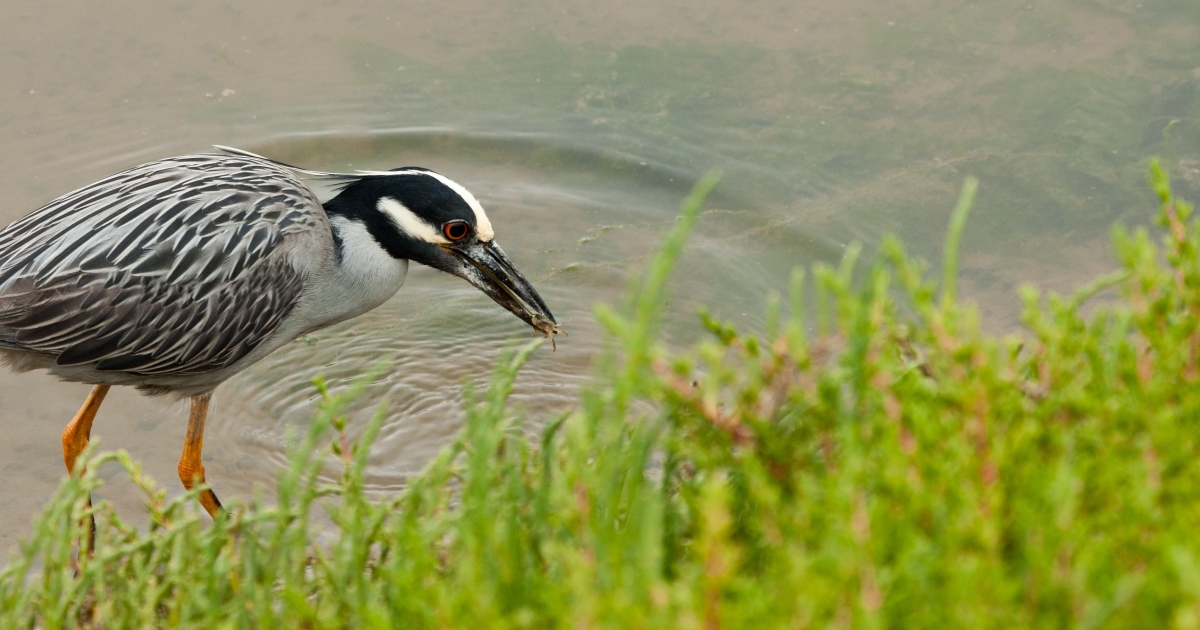
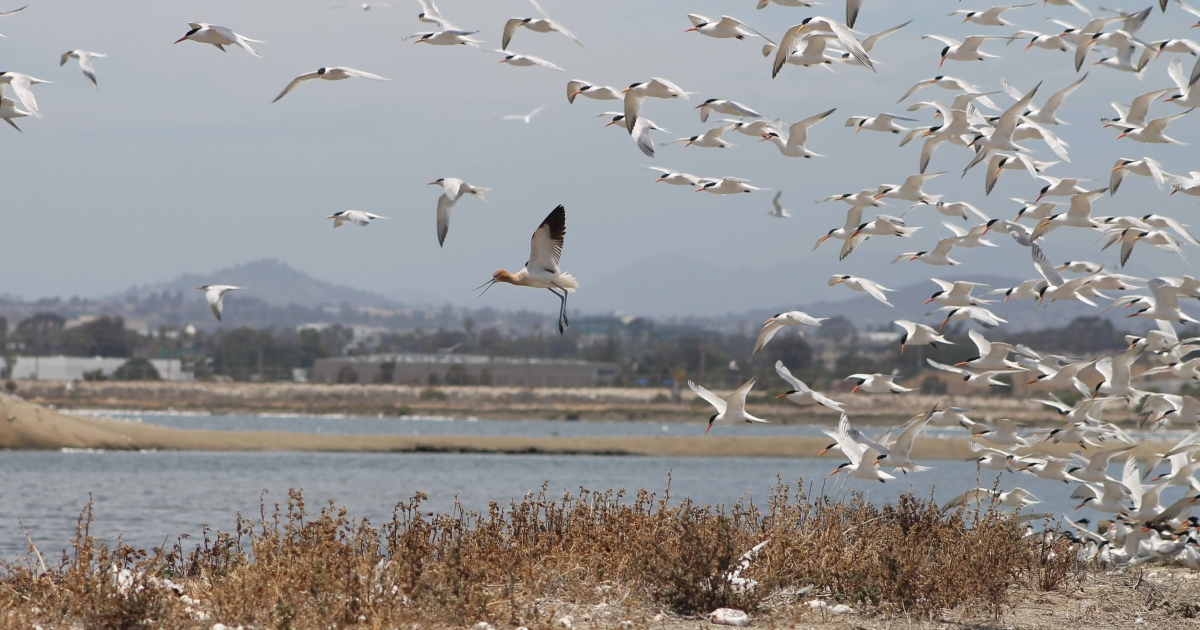
A coastal wetland in the far southwest corner of the country, where the Tijuana River meets the ocean behind Imperial Beach. It sits inside the larger Tijuana River National Estuarine Research Reserve and shares its visitor center on Caspian Way, which is the easiest place to start. More than 370 bird species have been recorded in the estuary, and the flat trails make it one of the gentler nature walks in the county. A major tidal restoration program is underway here, so trail access and conditions can change.
San Diego Bay National Wildlife Refuge
Two separate pieces of protected bay shoreline: Sweetwater Marsh in Chula Vista and the South San Diego Bay unit down toward Imperial Beach, together covering salt marsh and mudflat of the kind that once ringed the whole bay. Sweetwater Marsh is the visitable half, and getting in is unusual: you park at the Living Coast Discovery Center and take its free shuttle to reach the refuge trails. Walking those trails costs nothing, though the Discovery Center charges its own admission. Shuttle days are limited, so check before driving down.
Torrey Pines State Natural Reserve
A pocket of coastal wilderness on the bluffs above Del Mar, protecting the Torrey pine, the rarest pine in the country, on one of the last stretches of land where it still grows wild. Short trails drop from the mesa through sandstone canyons to the beach, and the whole reserve can be walked in a morning. Because it is a reserve rather than a park the rules are strict: no picnicking, no camping, and no dogs at all, even inside a car. Parking fills early on weekends and the lots use demand-based pricing, so the posted rate moves.
Torrey Pines State Beach
The beach below the reserve: a wide sandy strip running about four and a half miles from Del Mar past Los Penasquitos Lagoon to the sandstone cliffs at Torrey Pines Mesa. It is the swimming and walking counterpart to the bluffs above, with two paid lots and stair access from the reserve trails. The same strict dog ban applies here as in the reserve, and there is no camping, so it is a day trip only. Recreational vehicles longer than a standard parking spot are allowed only in the north lot.
Cuyamaca Rancho State Park
The big mountain park in San Diego's back country, about an hour east on Highway 79 below Julian, with oak and pine forest, meadows and creeks at elevation. More than a hundred miles of hiking and riding trails run through it, including the climb up Cuyamaca Peak for a view that reaches the Pacific on one side and the Salton Sea on the other. Two family campgrounds, Paso Picacho and Green Valley, take reservations spring through fall. Dogs are welcome in the campgrounds and on paved roads but not on the trails, which is worth knowing before you load the car.
Silver Strand State Beach
A beach park on the sand spit between Coronado and Imperial Beach, with the ocean on one side and San Diego Bay on the other, about fifteen minutes from downtown. That double frontage is the appeal: surf and open sand to the west, calm shallow water for kayaking, boating and waterskiing to the east. Overnight stays are RV only and campers have to be in fully self-contained vehicles under Coastal Commission rules, so there is no tent scene here. Dogs are confined to the parking lots and RV campground and are barred from both beaches.
Border Field State Park
The southwesternmost park in the continental United States, a stretch of dunes and salt marsh running up to the border fence at Monument Mesa. It sits inside the Tijuana River National Estuarine Research Reserve and is the most unusual place on this list: quiet, wind-blown, barely developed, with horse corrals and equestrian trails through habitat that shelters the Western Snowy Plover and California Least Tern. Hours are seasonal and the park posts a current status, so check it before you make the drive. Entry is cash only.
Old Town San Diego State Historic Park
Not a nature park at all, but the state park closest to downtown: a cluster of restored and reconstructed buildings from San Diego's Mexican Rancho period and early American frontier years, staffed with living-history programs and costumed interpreters. It works as a walkable hour or two rather than a hike, and the surrounding restaurants and shops blur the line between museum and tourist district. The park's own lots are free for up to four hours. Dogs are fine in the outdoor plaza areas but not inside the museum buildings.
San Pasqual Battlefield State Historic Park
A small hillside park in the San Pasqual Valley near Escondido, commemorating the December 1846 battle between American forces and Californio lancers and the Kumeyaay people whose land it was. There is a visitor center, an outdoor amphitheater and short interpretive trails on about fifty acres, immediately next to the San Diego Zoo Safari Park. It is the least developed stop on this list and keeps limited hours, so confirm the visitor center is open before making the drive out.
San Elijo State Beach
A narrow beach in Cardiff backed by a bluff-top campground, which is the reason most people come: sites with hookups looking straight out over the water. The reef just offshore is part of a State Marine Conservation Area, which makes the tidepooling and snorkeling better than the average North County beach. It runs about three quarters of a mile north from the San Elijo Lagoon entrance channel, roughly thirty-five minutes up the coast from downtown. Dogs are allowed only in the campground, never on the sand.
South Carlsbad State Beach
A stretch of shoreline below a bluff in Carlsbad, with a large and very popular blufftop campground reached by stairs down to the sand. The campground is really the draw, and summer sites book out far ahead. Day visitors pay to park up top and then walk down, which makes it a less casual stop than the beaches closer to town. Surfing, swimming, skin diving and fishing are the usual activities. Dogs are confined to the campground and are not allowed on the beach.
How we researched this
Every row is a site run by the National Park Service, the U.S. Forest Service, the U.S. Fish and Wildlife Service or California State Parks. The fee column shows the standard vehicle day-use rate; where a park uses demand-based pricing it shows the regular or minimum posted rate, and holidays, weekends and peak season cost more. Cleveland National Forest, the San Diego refuge, Old Town and San Pasqual Battlefield have blank fee cells, as do a few camping and dog cells, so check those parks' own pages for the missing details.
Several of these places change their access through the year. Border Field posts seasonal hours and a current status, a tidal restoration program at Tijuana Slough can change trail access, and San Pasqual Battlefield keeps limited visitor center hours; those three are worth checking before you drive.