Things to Do in Charleston, SC
22 Charleston, SC sights compared on adult and child tickets, age and area, from the free Angel Oak to the $43 Fort Sumter ferry. Read our take
At a glance
| Option | Adult admission | Type | Area | Child admission | Year built or founded | Address |
|---|---|---|---|---|---|---|
| $43source | Military sitesource | Downtownsource | $26source | 1829source | 340 Concord St, Charleston, SC 29401source | |
| $32source | Plantation & gardenssource | West Ashleysource | $16source | 3550 Ashley River Rd, Charleston, SC 29414source | ||
| $30source | Plantation & gardenssource | West Ashleysource | $15source | 1738source | 3380 Ashley River Rd, Charleston, SC 29414source | |
| $12source | Park & landmarksource | West Ashleysource | $7source | 1670source | 1500 Old Towne Rd, Charleston, SC 29407source | |
| $30source | Plantation & gardenssource | Mount Pleasant & Sullivan's Islandsource | $12source | 1681source | 1235 Long Point Rd, Mount Pleasant, SC 29464source | |
| $28source | Military sitesource | Mount Pleasant & Sullivan's Islandsource | $23source | 1976source | 40 Patriots Point Rd, Mount Pleasant, SC 29464source | |
| $10source | Military sitesource | Mount Pleasant & Sullivan's Islandsource | 1776source | 1214 Middle St, Sullivans Island, SC 29482source | ||
| Market & shoppingsource | Downtownsource | 1804source | 188 Meeting St, Charleston, SC 29401source | |||
| $16source | Historic housesource | Downtownsource | $7source | 1808source | 51 Meeting St, Charleston, SC 29401source | |
| $16source | Historic housesource | Downtownsource | $7source | 48 Elizabeth St, Charleston, SC 29403source | ||
| $16source | Museumsource | Downtownsource | $12source | 1771source | 122 E Bay St, Charleston, SC 29401source | |
| $15source | Historic housesource | Downtownsource | $5source | 1825source | 21 E Battery, Charleston, SC 29401source | |
| $15source | Museumsource | Downtownsource | $15source | 1995source | 25 Ann St, Charleston, SC 29403source | |
| Freesource | Park & landmarksource | Johns & Wadmalaw Islandssource | $0source | 3688 Angel Oak Rd, Johns Island, SC 29455source | ||
| Plantation & gardenssource | Johns & Wadmalaw Islandssource | 6617 Maybank Hwy, Wadmalaw Island, SC 29487source | ||||
| $10source | Plantation & gardenssource | North Charleston & beyondsource | $5source | 1932source | 3030 Cypress Gardens Rd, Moncks Corner, SC 29461source | |
| $24source | Military sitesource | North Charleston & beyondsource | $15source | 1250 Supply St, North Charleston, SC 29405source | ||
| $29source | Plantation & gardenssource | West Ashleysource | $10source | 4300 Ashley River Rd, Charleston, SC 29414source | ||
| Downtownsource | 2000source | 100 Aquarium Wharf, Charleston, SC 29401source | ||||
| $15source | Museumsource | Downtownsource | $6source | 1773source | 360 Meeting St, Charleston, SC 29403source | |
| $22.5source | Museumsource | Downtownsource | $10.5source | 2023source | 14 Wharfside St, Charleston, SC 29401source | |
| $20source | Museumsource | Downtownsource | $12source | 1905source | 135 Meeting St, Charleston, SC 29401source |







Our take
For a first visit, the Fort Sumter ferry ($43 for adults, $26 for children) and a downtown house museum such as the Nathaniel Russell House ($16) cover the city's two big stories in one day. If cost decides it, the Angel Oak on Johns Island is free, and Fort Moultrie and Cypress Gardens charge adults $10.
The real split in this table is geography. Eleven of the 22 stops are downtown and close enough to walk between, from the South Carolina Aquarium and the International African American Museum on the harbor to The Charleston Museum and the Aiken-Rhett House on the upper peninsula. The plantations sit out on Ashley River Road in West Ashley (Middleton Place, Magnolia and Drayton Hall) or in Mount Pleasant (Boone Hall), and each takes half a day plus the drive, so visitors without a car do best building a day around the peninsula.
Our picks
- Best free stop: Angel Oak Tree. The park around the Angel Oak costs $0 for adults and children, the only free admission in this table.
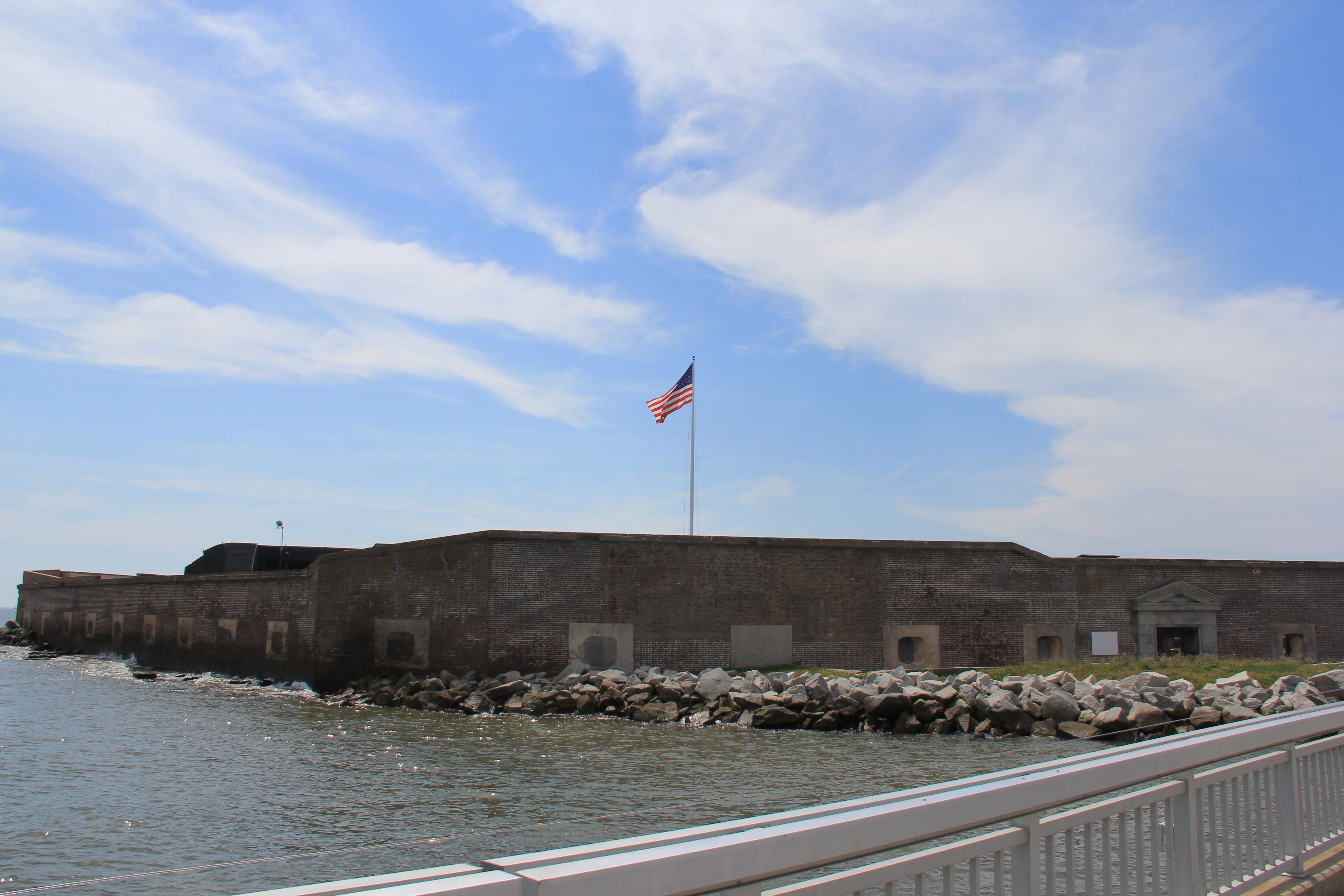
- Best for Civil War history: Fort Sumter National Monument. The ferry to the fort where the war began costs $43 for adults and $26 for children and leaves from 340 Concord St downtown.
- Oldest site for the money: Charles Towne Landing State Historic Site. The 1670 settlement site is the oldest place here, at $12 for adults and $7 for youth.
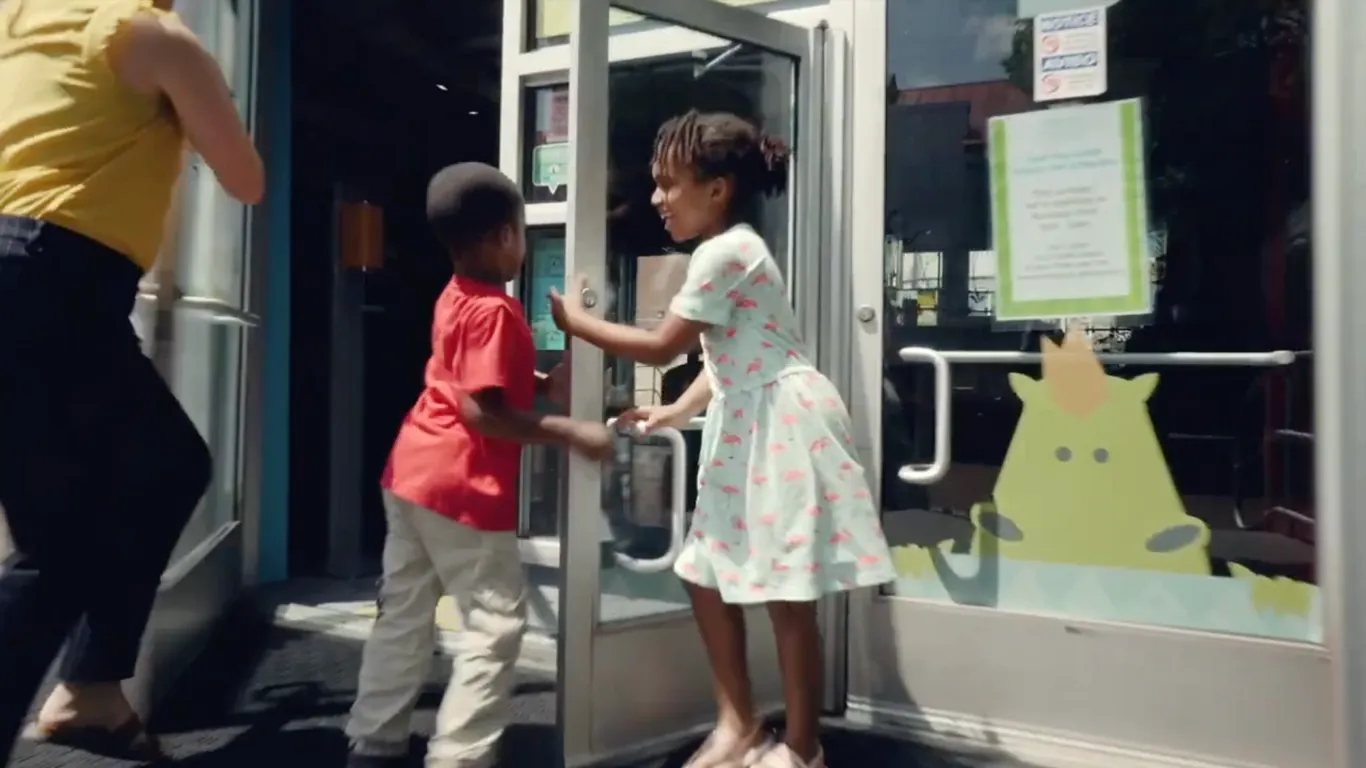
- Best for toddlers: Children's Museum of the Lowcountry. A hands-on children's museum downtown where adults and children pay the same $15.
- Cheapest house museum for kids: Edmondston-Alston House. Children 6 to 13 pay $5 at this 1825 house on the High Battery, the lowest child ticket among the house museums.
Middleton Place, Drayton Hall, Boone Hall or Magnolia
The four plantations cost about the same for adults, from $29 at Middleton Place to $32 at Magnolia, so the choice is about the visit rather than the price. Middleton Place is the gardens visit, with 65 acres of formal gardens and the Stableyards, and the cheapest child ticket of the four at $10 for ages 6 to 13. Drayton Hall, founded in 1738, is kept preserved rather than restored, so the draw is the architecture; it charges $30 online and $35 at the gate and closes on Tuesdays. Boone Hall in Mount Pleasant dates its founding to 1681, though the mansion standing today was built in 1936, and it leans into festivals and a Gullah culture presentation, with children's tickets at $12.
Magnolia Plantation & Gardens sits between Middleton Place and Drayton Hall on the same road and is the priciest of the four at $32 for adults and $16 for children 5 to 13. Its prices appear only in its online ticket store, where we read them for a November weekday, so check the date you plan to go.
Fort Sumter or Fort Moultrie
Both forts belong to the same national park, but only Fort Sumter needs a boat. The ferry costs $43 for adults, takes about two and a quarter hours in all with an hour at the fort, and leaves from downtown or from Patriots Point. Fort Moultrie on Sullivan's Island is a drive, costs $10 per adult, and children under 16 do not need a pass. It tells the story of the 1776 battle and the coastal forts that followed, so it suits a family that wants the history without the ferry fare.
Charleston museums for history and art
Four downtown museums cover different ground. The Charleston Museum, founded in 1773, is the cheapest at $15 for adults and $6 for children 3 to 12, and the same single-site ticket can be used at one of its two historic houses instead. The Old Exchange & Provost Dungeon at the foot of Broad Street charges $16 for the Revolutionary story. The Gibbes Museum of Art, open since 1905, charges $20 for adults and lets children 7 and under in free. The International African American Museum, opened in 2023 on the harbor, is the priciest at $22.50 for adults from out of state, sells timed tickets, and is closed on Mondays.
Things to do in Charleston with kids
The Children's Museum of the Lowcountry is built for the youngest visitors and charges $15 per person, adult or child, with babies under 1 free. Older kids tend to prefer Patriots Point ($28 adults, $23 children), where they can climb through an aircraft carrier and a destroyer, or the H. L. Hunley submarine ($24 for 13 and older, $15 for ages 6 to 12), which is open to the public on Saturdays and Sundays only. The South Carolina Aquarium is downtown on the harbor, but its tickets are priced by date, so check its calendar for your day. At Charles Towne Landing, the replica ship Adventure leaves on November 16 for winter maintenance and is expected back in April, and the Angel Oak costs nothing and makes a good stop between paid ones.
The options in detail
Fort Sumter National Monument
The island fort in Charleston Harbor where the Civil War began, reachable only by the park's concession ferry. The round trip runs about two and a quarter hours with an hour on the fort itself, and boats leave from Liberty Square downtown and from Patriots Point in Mount Pleasant. Weather can cancel sailings, so book a morning departure and keep the afternoon free.
Magnolia Plantation & Gardens
A Drayton family plantation on the Ashley River whose romantic gardens opened to the public in 1871, making it one of Charleston's first tourist attractions. Admission includes the Discovery Tour, the "From Slavery to Freedom" tour and the Audubon Swamp Garden, and a nature train and a wildlife boat tour run on the grounds. Plan on most of a day, especially in azalea season.
Drayton Hall
The oldest preserved plantation house in America still open to the public, and the earliest fully executed Palladian design in the country. It is preserved rather than restored, so the architecture itself is the point. The ticket includes a guided house tour, the galleries, a landscape audio tour and the African American cemetery. It closes on Tuesdays and the gate takes no cash, and booking online saves $5.
Charles Towne Landing State Historic Site
The state historic site on the marshy point where English settlers landed in 1670 and founded the colony that became South Carolina. Visitors walk the original settlement site, the gardens and a replica 17th-century trading ship, the Adventure. It is one of the cheaper paid outings here, and children 5 and under get in free.
Boone Hall Plantation
A working plantation in Mount Pleasant, about 8 miles from downtown, best known for its long avenue of live oaks. The mansion standing today dates from 1936, the plantation offers house tours and a live presentation on Gullah culture, and the farm hosts seasonal events like a strawberry festival, a pumpkin patch and Christmas events. It is the most commercial of the plantations here, with weddings and festivals on the calendar.
Patriots Point Naval & Maritime Museum
A naval museum built around the aircraft carrier USS Yorktown and the destroyer USS Laffey, moored across the harbor from downtown in Mount Pleasant. Kids can climb through the ships and see the aircraft on the flight deck, and flight simulator and virtual reality rides cost extra. One of the two Fort Sumter ferry departures leaves from here, so the two pair well in one day.
Fort Moultrie
The other half of the national park, on Sullivan's Island, reachable by car rather than ferry. The palmetto-log fort here turned back a British fleet in 1776, and the site now covers 171 years of coastal defense, from 1776 to 1947. It is far cheaper and quicker than the Fort Sumter trip, and pairs well with an afternoon on the island's beach.
Charleston City Market
Four blocks of open-air sheds running from Market Hall on Meeting Street toward the waterfront, in use as a public market since the early 1800s. Today the stalls sell local crafts, art and food, and the sweetgrass basket makers are the reason many people come. A night market adds artists, artisans and music in the evenings.
Nathaniel Russell House
A Federal-style townhouse from 1808, run by Historic Charleston Foundation and restored as closely as possible to how it looked when the Russells moved in. The tour covers the free-flying staircase and the lives of the enslaved people who worked there. A combo ticket with the Aiken-Rhett House saves money on adult tickets.
Aiken-Rhett House
The counterpart to the Russell House: Historic Charleston Foundation preserves this one as found rather than restoring it. The kitchen, laundry and quarters for the enslaved survive with their original paint, floors and fixtures from the 1850s, a rare survival in a city where most such buildings were demolished or adapted. It sits north of the tourist core, a few blocks from the Children's Museum.
Old Exchange & Provost Dungeon
The 1771 exchange and custom house at the foot of Broad Street, where South Carolina's Revolutionary history played out, with the Provost Dungeon in its basement. It is a compact downtown stop, and tickets can be bought on site. Children 6 and under get in free.
Edmondston-Alston House
A harborside house museum on the High Battery, built around 1825 and run by the Middleton Place Foundation. The house survived the Civil War, the 1886 earthquake and many hurricanes, and the tour tells the story of the people, free and enslaved, who lived there. Tickets are undated, and a combination ticket with Middleton Place is sold here.
Children's Museum of the Lowcountry
A hands-on museum for young children on Ann Street, opened in 2003 by community volunteers. It is the rainy-day pick for families with toddlers and early grade-schoolers, and one ticket price covers adults and children alike. SNAP, WIC and foster families pay $3 a person, and it opens at noon on Sundays.
Angel Oak Tree
A Southern live oak on Johns Island, about 66 feet tall with a canopy covering roughly 17,000 square feet, and one of the oldest living trees in the country. The city-owned park around it is free, and it makes an easy stop on the way to Kiawah or Seabrook. The park keeps daytime hours and opens later on Sundays.
Charleston Tea Garden
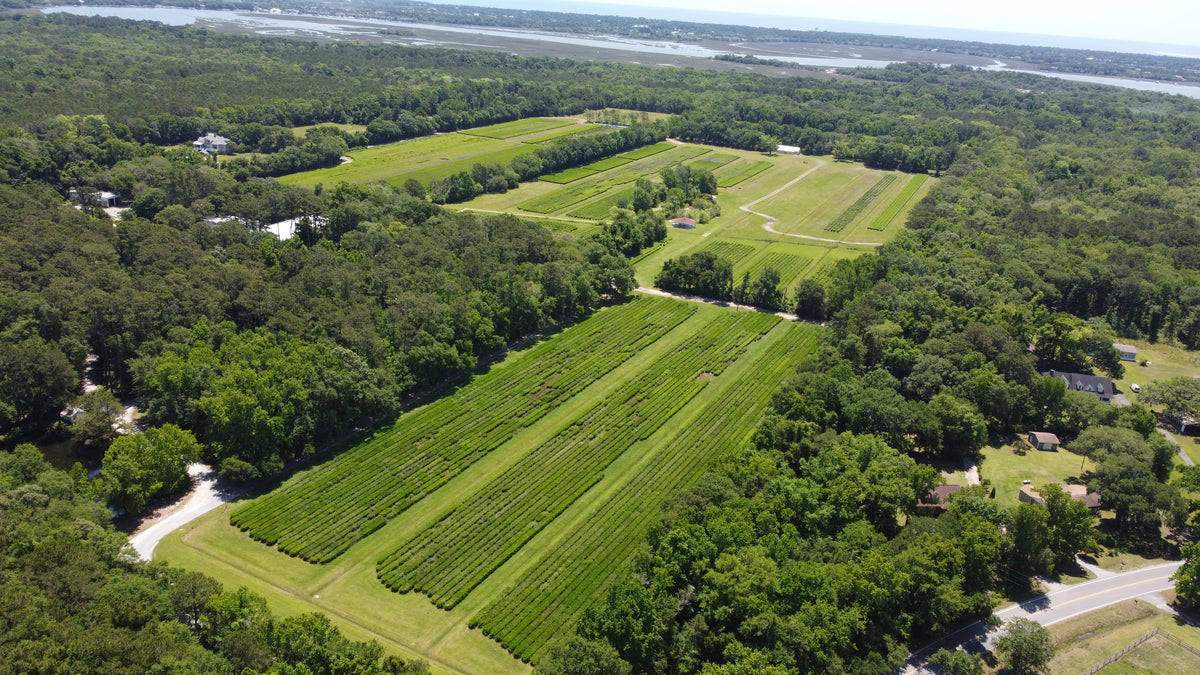
A working tea plantation on Wadmalaw Island, owned with Bigelow and billed as the oldest tea garden in North America. The factory tour and the grounds are free, and a paid trolley tour rides through the tea fields. It is one of the longer drives from downtown, closes at 4 pm, and opens at noon on Sundays.
Cypress Gardens
A Berkeley County park in a cypress swamp near Moncks Corner, with boat trips through the blackwater among the trees. There is also a butterfly house, a swamparium with reptiles and fish, and a splash pad in summer, and the swamp has stood in for film sets in The Notebook and The Patriot. It is the farthest drive on this list, north of the city in Berkeley County.
H. L. Hunley Submarine
The Civil War submarine that attacked the USS Housatonic off Charleston in 1864, now under conservation at the Warren Lasch Conservation Center in North Charleston. Tours run on Saturdays and Sundays only, and most visitors spend one to two hours with the exhibits. Buy ahead, since it is a working lab with limited public hours.
Middleton Place
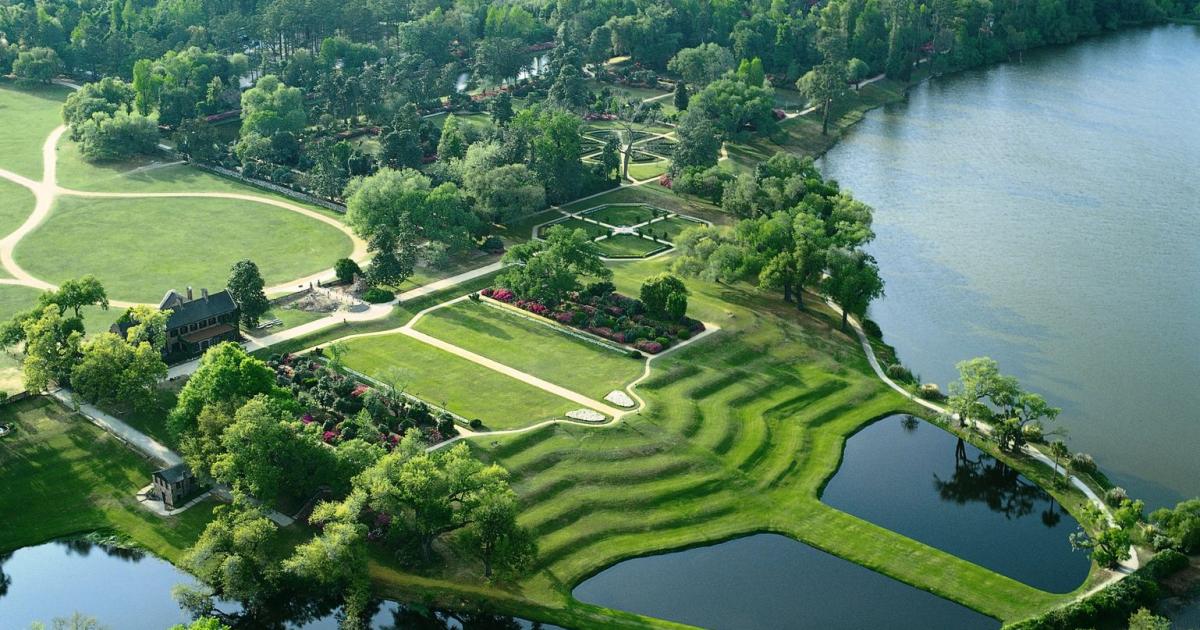
A National Historic Landmark on the Ashley River whose 65 acres of formal gardens are billed as the oldest landscaped gardens in America. General admission also covers the Stableyards, with artisans, exhibits on 18th and 19th century plantation life and historic animal breeds, plus daily guided tours such as Beyond the Fields, which centers the enslaved people who lived and worked there. It sits on the same road as Magnolia and Drayton Hall, so the three fit in one West Ashley day.
South Carolina Aquarium
The state aquarium, on Charleston Harbor downtown, built around the Great Ocean Tank, which it calls the deepest tank in North America and home to more than 550 animals. Exhibits trace South Carolina's habitats from the mountains to the sea, and the Zucker Family Sea Turtle Recovery area shows the aquarium's sea turtle rescue work. Feeding the rays costs $5 extra. Tickets are priced by date on a dynamic calendar, generally highest on weekends and peak days, and a date's price only rises as it gets closer, so check the calendar and buy early.
The Charleston Museum
Founded in 1773 and billed as America's first museum, it sits on upper Meeting Street with galleries on Lowcountry history, the Revolution, the antebellum city and the Civil War, plus an armory, and a whale skeleton hangs over the lobby. A single-site ticket covers either the museum or one of its two historic houses, the Heyward-Washington House on Church Street or the Joseph Manigault House next door, and the two- and three-site combo tickets are the better deal if you want more than one. Children 2 and under get in free, and parking beside the museum is paid.
International African American Museum
Opened in 2023 on the harbor, steps from Gadsden's Wharf, where a large share of enslaved Africans brought to North America first landed. Its galleries trace how enslaved and free Africans and their descendants shaped American history, admission also covers the Center for Family History for genealogy research and the special exhibitions gallery, and the African Ancestors Memorial Garden outside is free and open to the public. Entry is by timed ticket, South Carolina residents pay less, and the museum is closed on Mondays.
Gibbes Museum of Art
Charleston's art museum, opened in 1905 on Meeting Street two blocks south of the City Market, and home to the Carolina Art Association, founded in 1858. The paid galleries on the second and third floors hold paintings, sculpture, miniature portraits and decorative arts by American artists with a Charleston connection, while the first floor is free and open to everyone. Children 7 and under get in free, weekend tickets are best bought ahead, and there is no on-site parking, though a county garage is a block away on Queen Street.
How we researched this
We read each attraction's own visit, ticket and history pages, plus the National Park Service pages for Fort Sumter and Fort Moultrie and the South Carolina State Parks page for Charles Towne Landing, and recorded every value with the sentence it came from. Middleton Place's own site would not load for us, so its prices and address come from its listing on The Liberty Trail; Magnolia's prices come from its online ticket store for a November weekday; and the opening years of the aquarium and the International African American Museum come from news and travel coverage. Adult prices are the standard adult ticket, using the online price where a site charges more at the gate and the out-of-state price where residents pay less, and child prices use each site's own age band, which differs from place to place. A blank cell means the source did not state the value, not that it is free or unknown to the site.
The aquarium sets its prices by date, so its price cells are blank rather than showing one day's price. Free sights without a street address of their own, such as the Battery and Rainbow Row, are left out. Prices and hours change, so confirm on each site before you buy.