Things to Do in Pennsylvania in Spring With Seniors
Spring in Pennsylvania belongs to the gardens, and the big one, Longwood Gardens, is also one of the easier ones to take an older parent to: bulbs and tulips from late March into early May, wide paved paths, loaner wheelchairs and scooters, and a conservatory for when it rains, at $31 for seniors on weekdays. Hershey Gardens is the smaller, cheaper version, with 27,000 tulips from mid-April and a $16.50 senior rate that starts at 62.
Beyond the flowers, these thirteen differ most in two ways that matter at this age. Some are dry whatever the April sky does (Phipps Conservatory and the National Aviary in Pittsburgh, Reading Terminal Market in Philadelphia), and some are out in the open. And the outings that look restful are not always easy underfoot: a seated boat or train ride can still start with a steep climb or a car that does not take a wheelchair.
Our picks
- A rainy April afternoon: National Aviary. Mostly indoors and the only site here rated fully accessible, with loaner wheelchairs, assisted listening devices and large-print maps at the desk, for $18.95.
- A free day outdoors: Presque Isle State Park. No entry fee, a paved and ADA-accessible 13.5-mile trail, and in spring a favorite stopover for migrating birds.
At a glance
| Option | Senior Admission | Address | Attraction Type | Setting | Wheelchair Access |
|---|---|---|---|---|---|
| $31source | 1001 Longwood Road, Kennett Square, PA 19348source | Botanical gardensource | Indoor and outdoorsource | Mostly accessiblesource | |
| $20.95source | One Schenley Park, Pittsburgh, PA 15213source | Botanical gardensource | Mostly indoorssource | Mostly accessiblesource | |
| $16.5source | 170 Hotel Road, Hershey, PA 17033source | Botanical gardensource | Indoor and outdoorsource | Mostly accessiblesource | |
| $18.95source | 700 Arch Street, Pittsburgh, PA 15212source | Zoo or aquariumsource | Mostly indoorssource | Fully accessiblesource | |
| 301 Gap Road, Ronks, PA 17572source | Scenic railroadsource | Indoor and outdoorsource | Limited accessibilitysource | ||
| $25.5source | 222 Penn's Cave Road, Centre Hall, PA 16828source | Cave or boat toursource | Indoor and outdoorsource | Limited accessibilitysource | |
| $42source | 1491 Mill Run Road, Mill Run, PA 15464source | Historic sitesource | Indoor and outdoorsource | Limited accessibilitysource | |
| $19.75source | 1195 Baltimore Pike, Gettysburg, PA 17325source | Historic sitesource | Indoor and outdoorsource | Mostly accessiblesource | |
| Freesource | 301 Peninsula Drive, Erie, PA 16505source | Park or trailsource | Mostly outdoorssource | Mostly accessiblesource | |
| Freesource | 51 N 12th Street, Philadelphia, PA 19107source | Marketsource | Mostly indoorssource | Mostly accessiblesource | |
| $19source | 2027 Fairmount Avenue, Philadelphia, PA 19130source | Historic sitesource | Limited accessibilitysource | ||
| Freesource | 143 S. 3rd Street, Philadelphia, PA 19106source | Historic sitesource | Mostly accessiblesource | ||
| Freesource | 350 Cliff Street, Scranton, PA 18503source | Museumsource | Indoor and outdoorsource | Mostly accessiblesource |






When the spring flower shows peak
The three gardens overlap but do not peak together. Phipps Conservatory and Botanical Gardens opens its Spring Flower Show in late March and runs it about four weeks, all under glass, for $20.95. Longwood's bulb season runs from late March into early May, and Hershey's main tulip display from mid-April into May, with its conservatory and Butterfly Atrium included in the ticket.
Each has a catch worth planning around. Longwood's senior price applies on weekdays only, and its Chimes Tower is not wheelchair accessible. Hershey asks visitors to follow the suggested route on its map guide to avoid the steeper ground. Phipps flags parking closures around Schenley Drive during park events.
Seated outings and the stairs they hide
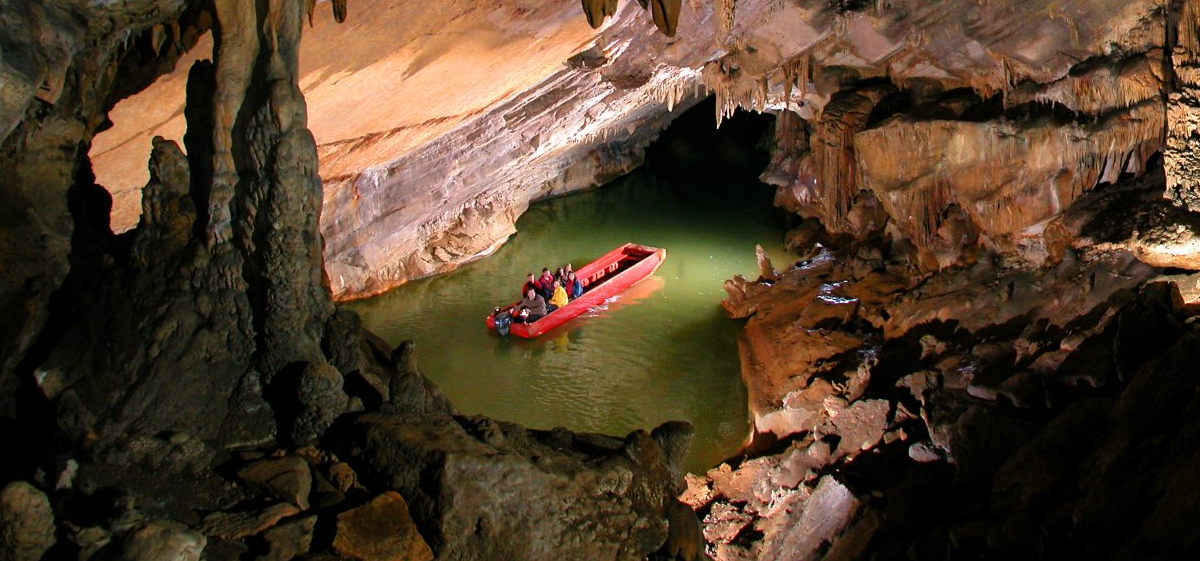
Strasburg Rail Road is a 45-minute steam ride on a 9-mile round trip, seated the whole way, but its historic cars do not meet current ADA standards; there is a mobile lift with a 400-pound combined limit if you ask ahead. Penn's Cave & Wildlife Park tours its cavern entirely by boat, yet reaching the boat means a 350-foot, 45-degree incline and 48 steps down, then back up, and walkers and wheelchairs are not allowed past the visitor center.
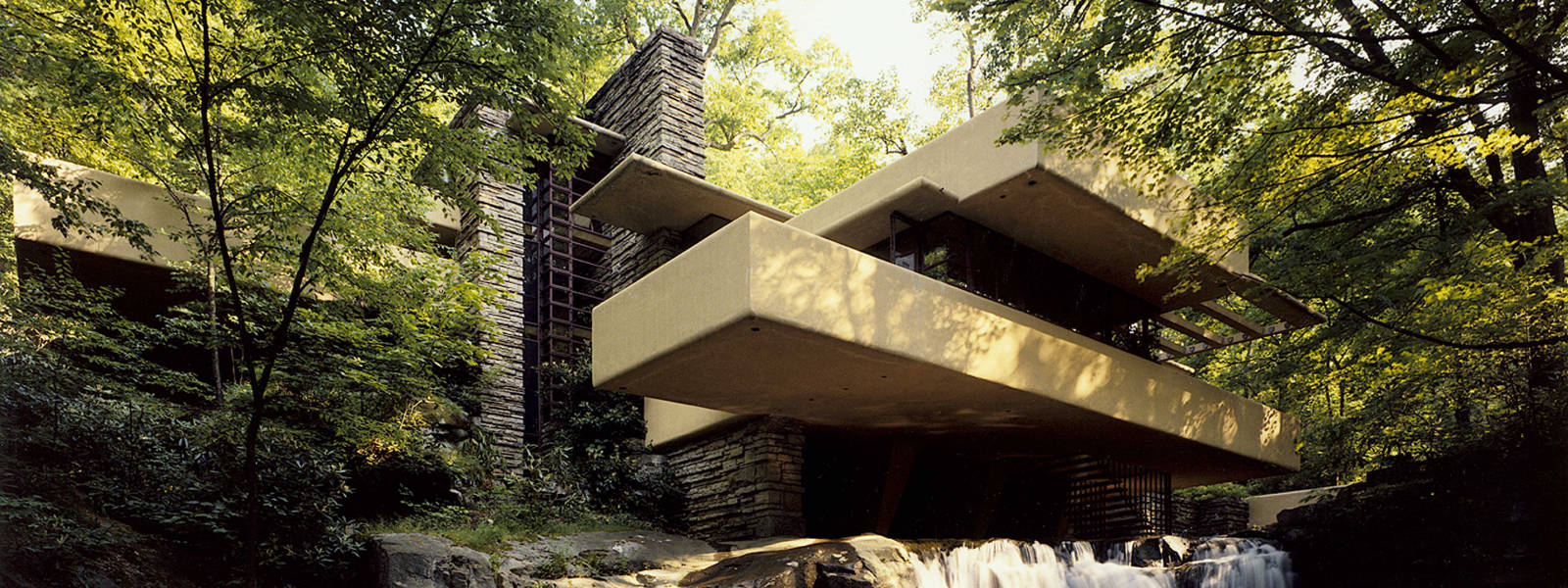
Gettysburg works the other way round. Its museum ticket is $19.75 for visitors 65 and over, and the battlefield itself can be toured from the car on more than 26 miles of paved road. Fallingwater's $42 house tour means over 100 steps, so for a visitor who cannot manage them, the $18 Grounds Pass or the first-floor accessibility tour, with an all-terrain wheelchair lent by reservation, is the better ticket.
Free admission in Philadelphia, Erie and Scranton
Four places list no admission charge. Independence National Historical Park is free at most of its sites, though Independence Hall tours need a ticket reserved through Recreation.gov with a $1 handling fee. Reading Terminal Market is free to walk into, with automated doors at 6 and 9, but it lends no wheelchairs and is calmest on weekday mornings before 11. Steamtown National Historic Site in Scranton has no entrance fee and much of it under a roof, and Presque Isle State Park is free like every state park. Eastern State Penitentiary, at $19, is the one Philadelphia stop to think twice about: it is kept as a ruin, with uneven ground and sharp stone edges.
The options in detail
Longwood Gardens
Longwood is the big one: nearly 200 acres outside Kennett Square, with a conservatory that keeps the visit going when the weather turns. Spring is its signature season, when spring bulbs and tulips take over the gardens from late March into early May. Paths are wide and paved and wheelchairs and scooters can be borrowed at the Visitor Center, which makes it one of the easier large gardens to take at an unhurried pace. Two catches worth knowing: the senior rate applies on weekdays only, and the Chimes Tower and parts of the Peirce-du Pont House are not wheelchair accessible.
Phipps Conservatory and Botanical Gardens
A Victorian glasshouse in Pittsburgh's Schenley Park, Phipps is mostly under glass, which makes it a dependable choice on a cold or wet spring day. Its Spring Flower Show opens in late March and fills the rooms with tulips, daffodils and hyacinths alongside forced cherries and azaleas, running about four weeks. The gardens are wheelchair accessible apart from the Stove Room in the west wing, and manual wheelchairs are lent free at admissions. The one friction is getting there: Phipps flags parking closures around Schenley Drive during park events, so check before you drive over.
Hershey Gardens
Twenty-three acres on the hill above Hershey, plus an indoor conservatory and a tropical Butterfly Atrium that the ticket already covers. Spring is the showcase here: the gardens plant 27,000 tulips across more than 60 cultivars, with the main display running from mid-April into May. It is wheelchair and mobility-scooter accessible, though the gardens recommend following the suggested route on the map guide to avoid the steeper terrain, and a small number of manual wheelchairs are lent first-come, first-served. Strollers are not permitted inside the Butterfly Atrium, and the senior rate starts at 62 rather than 65.
National Aviary
America's only independent indoor nonprofit zoo devoted to birds, on Pittsburgh's North Side, home to more than 500 birds across walk-through habitats where the birds fly free around visitors. Because it is a primarily indoor facility, it is one of the few outings on this list that a rainy April afternoon does not spoil. The building is fully ADA accessible and wheelchair- and stroller-friendly, wheelchairs are lent first-come first-served, and staff keep assisted listening devices, large-print maps and sensory bags at the visitor services desk. Penguin Point and Condor Court add outdoor components when the weather cooperates.
Strasburg Rail Road
A 45-minute steam train ride on a 9-mile round trip through Lancaster County Amish farmland, run by a railroad chartered in 1832. You are seated the whole way, which is much of the appeal for a group that does not want a walking tour, and you can choose Coach, Open Air, Dining or First Class accommodation. The serious caveat is access: the railroad states plainly that its historic cars do not meet current ADA standards, though it keeps a mobile lift with a 400-pound combined weight limit and will try to accommodate riders who ask ahead. Fares vary by train and by car class, and the railroad does not publish a general senior discount.
Penn's Cave & Wildlife Park
The cave tour here is taken entirely by boat, gliding through a water-filled cavern in Centre County, which makes it an unusual seated outing in the middle of the state. A separate bus tour of the farm, nature and wildlife park leaves from the same visitor center, and combo tickets cover both. Be realistic about the approach: Penn's Cave says neither tour is accessible, and reaching the boat means a 350-foot, 45-degree incline followed by 48 steps down, then the same climb back up. Canes and walking sticks are allowed past the visitor center, but wheelchairs, scooters and walkers are not.
Fallingwater
Frank Lloyd Wright's house cantilevered over a waterfall in the Laurel Highlands, a National Historic Landmark and a UNESCO World Heritage site, with the tour season opening in mid-March. The standard Guided Architectural Tour covers the house interior and the grounds; a Grounds Pass costs far less and gets you the setting and the famous exterior view without the stairs. That distinction matters here, because touring the house means climbing over 100 steps, and the site includes more than a mile of sloping gravel paths. For visitors who cannot manage that, Fallingwater runs a dedicated accessibility tour of the first floor paired with a guided image tour of the upper floors, and lends an all-terrain wheelchair by advance reservation.
Gettysburg National Military Park Museum & Visitor Center
The Museum and Visitor Center is the sensible starting point for the battlefield, and both the battlefield and the building itself are free to enter. What you pay for is the combined ticket to the film, the Cyclorama painting and the Gettysburg Museum of the Civil War, which is discounted for visitors 65 and over and for veterans. From there the park can be toured from the car over more than 26 miles of paved roads, which is why it works so well for people who cannot walk a battlefield. Exhibits at the tour stops are designed to be mobility friendly, but the park is candid that uneven surfaces and weather affect access, and the walking trails at Devil's Den and the Round Tops are earthen and rough.
Presque Isle State Park
A sandy peninsula curling into Lake Erie, and the closest thing Pennsylvania has to a seashore, free to enter like every state park in the commonwealth. Spring is its quiet season and arguably its best: Presque Isle is a National Natural Landmark and a favorite stopover for migrating birds, and it holds more of the state's rare, threatened and endangered species than any comparable area in Pennsylvania. The 13.5-mile Karl Boyes Multi-Purpose Trail is paved and ADA accessible, so a flat, unhurried walk or roll is easy to arrange, and there are ADA fishing piers and picnic tables around the park. The swimming beaches keep summer hours, so in spring you are here for the walking, the water and the birds.
Reading Terminal Market
An enclosed public market at 12th and Arch that has been trading since 1893 inside a National Historic Landmark building, with over a hundred merchants under one roof. It is free to walk in and pay as you go, which makes it the low-commitment stop on this list and an easy indoor lunch wedged between other Center City plans. Nearly all the entrance doors are street level apart from Door 3, automated door openers are at Doors 6 and 9, and there is accessible indoor seating in Center Court and the Rick Nichols Room. Two honest warnings: the market does not lend wheelchairs or scooters, and it gets genuinely crowded, so weekday mornings before 11 are the calm window.
Eastern State Penitentiary
The 1829 prison in Fairmount, abandoned for decades and stabilized as a ruin rather than restored, toured with a 40-minute audio guide you follow at your own pace before wandering the cellblocks freely. Seniors pay a few dollars less than adults, and buying online rather than at the door saves another two dollars per ticket. The self-paced format suits an unhurried visit and the exhibits on prisons today give it more substance than a ghost-tour reputation suggests. The site is frank, though, that it remains in a state of semi-ruin with uneven ground and sharp stone edges, so it is a poor match for anyone unsteady on their feet; paid personal care assistants accompanying a visitor with a disability are always admitted free.
Independence National Historical Park
The cluster of Old City sites where the country was argued into existence: Independence Hall, Congress Hall, Old City Hall and the Liberty Bell Center, and admission to most of them costs nothing. Independence Hall tours need a ticket reserved through Recreation.gov, free apart from a $1 handling fee, so it is worth booking before you travel. Access is better than the age of the buildings suggests: the Liberty Bell Center is wheelchair accessible, the Independence Visitor Center is fully accessible and lends wheelchairs, and the first floors of Independence Hall and Congress Hall are accessible with touchscreen photo albums standing in for the upper floors. Expect a fair amount of walking between buildings, and note that the Benjamin Franklin Museum charges its own small interpretive fee.
Steamtown National Historic Site
A former Lackawanna railroad yard in downtown Scranton turned into a National Park Service site, with a history museum, a technology museum, a roundhouse, a locomotive cutaway exhibit and a working railyard, and no entrance fee at all. Short train rides run in season for a few dollars; longer excursions are priced by destination and sell out, so book ahead. It is a strong rainy-day option in the northeast corner of the state because so much of it is under a roof, and the visitor center, museums and roundhouse have push-button doors with six reserved accessible spaces at the front of the lot. The park is upfront that some historic locomotives and railcars, and some excursions, are not accessible, so ask before buying ride tickets.
How we researched this
Each place had to be a real spring outing that an older visitor can do seated, at an easy walking pace, or from the car, spread across the state rather than bunched in one city. The Wheelchair Access column repeats how each site describes itself on its own accessibility page. We left out the Philadelphia Museum of Art because the only price we could find was from 2019, Hawk Mountain Sanctuary because its site would not load for us, the Philadelphia Flower Show because its dates and prices change every year, and amusement parks such as Hersheypark and Kennywood as the wrong fit. A spring-highlight column was planned and dropped, since only four places state a seasonal draw we could quote; those draws are in the summaries instead.
Senior Admission means the rate for visitors 62 or 65 and over, and the regular adult price where there is no senior rate, as at Fallingwater. So $42 there buys a guided house tour while $0 at Reading Terminal Market buys a walk in before lunch. Strasburg's fares depend on train and car class with no published senior discount, so its cell stays blank, as is Setting for Eastern State and Independence, which mix roofed buildings with open-air walking and never say which dominates. Conditions like Longwood's weekday-only senior rate and Hershey's age-62 cutoff sit in the fine print of each ticket page.