Best Nature Preserves Near Des Moines in Fall for Adults
For autumn color near Des Moines, Ledges State Park in Madrid is the trip most people make, and the table backs it: 1,117 acres, sandstone walls a hundred feet above Pea's Creek, and 4 miles of trail steep enough to need decent shoes. Closer in, Brown's Woods gives you 4.4 miles of oak and hickory forest in West Des Moines, less than fifteen minutes from downtown.
Across all eleven, the first split is what fall looks like. Six are woodland, where October means leaves; Neal Smith National Wildlife Refuge means 6,000 acres of prairie grass going bronze, and Chichaqua Bottoms Greenbelt means waterfowl on the move. The second choice is time: a half-mile trail you can walk after work, or a seven-mile network that fills an afternoon.
Our picks
- Classic fall-color hike: Ledges State Park. Sandstone bluffs over Pea's Creek and 4 miles of trail, steep in places, with 1930s railroad-tie stairs; come on a weekday, since it is the busiest park here on an October Saturday.
- Prairie color instead of leaves: Neal Smith National Wildlife Refuge. 6,000 acres of reconstructed tallgrass that goes bronze in fall, a bison and elk herd, and trails open sunrise to sunset.
- Watching fall migration: Chichaqua Bottoms Greenbelt. 8,388 acres of wetland and old river oxbows with a bird blind and a viewing platform, though the Otter Trail closes from September 1 for hunting season.
- A walk after work inside the city: Strasser Woods State Preserve. A half-mile trail through 40 acres of old upland forest in Des Moines, about twenty minutes end to end, with parking at the end of a residential street.
- Looking down on the color: Annett Nature Center and Park. Seven miles of trail on 160 acres, and the primary trail runs down through woods and wetland to a 30-foot observation tower.
At a glance
| Option | Address | Size | Trail Miles | Landscape | Managed By | Hours |
|---|---|---|---|---|---|---|
| 465 SE Brown's Woods Drive, West Des Moines, IAsource | 486source | 4.4source | Woodlandsource | County conservation boardsource | 6:30 a.m. to 10:30 p.m., April 1 to October 31source | |
| 1515 P Ave., Madrid, IA 50156source | 1,117source | 4source | River bluffssource | Iowa DNRsource | 4 a.m. to 10:30 p.m.source | |
| 9981 Pacific St., Prairie City, IA 50228source | 6,000source | Tallgrass prairiesource | U.S. Fish & Wildlife Servicesource | Sunrise to sunset dailysource | ||
| 8700 NE 126 Ave., Maxwell, IA 50161source | 8,388source | Wetlandsource | County conservation boardsource | 6:30 a.m. to 10:30 p.m., April 1 to October 31source | ||
| 1552 E 36th Street, Des Moines, IAsource | 40source | 0.5source | Woodlandsource | County conservation boardsource | 6:30 a.m. to 10:30 p.m., April 1 to October 31source | |
| 3155 Walnut Woods Dr, West Des Moines, IA 50265source | 250source | 2source | Bottomland forestsource | Iowa DNRsource | 4 a.m. to 10:30 p.m.source | |
| 16510 118th Avenue, Indianola, IA 50125source | 770source | 6source | Woodlandsource | Iowa DNRsource | 4 a.m. to 10:30 p.m.source | |
| 1900 Pammel Park Road, Winterset, IA 50273source | 350source | 5source | Woodlandsource | County conservation boardsource | ||
| 15565 118th Avenue, Indianola, IA 50125source | 160source | 7source | Woodlandsource | County conservation boardsource | Sunrise to sunsetsource | |
| 4590 NE 108th St., Mitchellville, IA 50169source | 197source | Woodlandsource | County conservation boardsource | 6:30 a.m. to 10:30 p.m., April 1 to October 31source | ||
| 6801 SE 32nd Avenue, Pleasant Hill, IA 50317source | 576source | River bluffssource | County conservation boardsource | 6:30 a.m. to 10:30 p.m., April 1 to October 31source |






Leaves, prairie grass or migrating birds
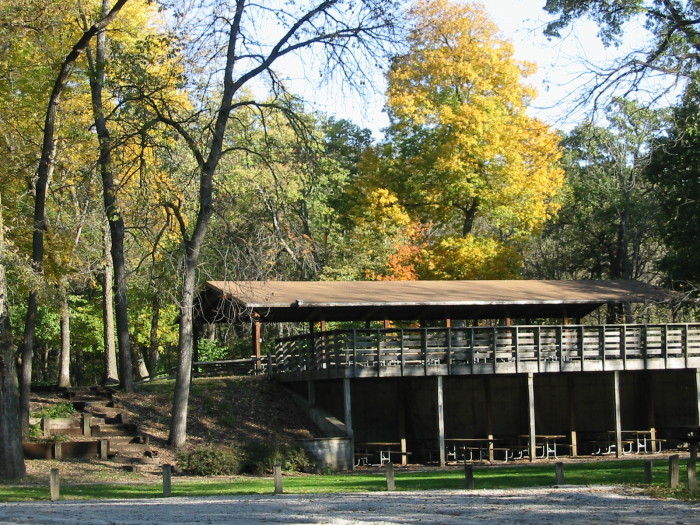
Woodland is the common answer here, but the woods differ. Brown's Woods turns gold and russet through most of October, Lake Ahquabi State Park adds color reflected off a 115-acre reservoir, and Pammel Park's oaks, some of the oldest recorded in the state, grow from a limestone ridge the Middle River wraps around. Yellow Banks Park pairs 150-foot bluffs over the Des Moines River with savanna oaks, a few estimated at more than 250 years old, and hawks and bald eagles work that stretch in fall.
Walnut Woods State Park is the odd one: its black walnuts drop their leaves early, so autumn there is a flat river walk with more than ninety recorded bird species rather than a color show.
An hour's walk or an afternoon's hike
Trail Miles runs from 0.5 at Strasser Woods State Preserve to 7 at Annett, with Lake Ahquabi's 6 miles including a level gravel lake loop you can do at dusk and Pammel's 5 climbing steeper grades from the river bottom. Four rows have no total because their agencies list trails one by one: Thomas Mitchell Park's three routes come to under two miles, and Yellow Banks' paths are short enough that a real walk means stringing several together.
Size tells you how far from the road you can get. Chichaqua's 8,388 acres and Neal Smith's 6,000 dwarf the rest, while Strasser Woods, at 40, is a pocket of old forest inside city limits.
Hours, mud and closures in fall
The five Polk County areas post 6:30 a.m. to 10:30 p.m. through October 31 and switch to sunrise to sunset from November 1, which cuts into an after-work visit in November. The three state parks keep 4 a.m. to 10:30 p.m. Wet weather shuts things too: Ledges' Canyon Road fords close first when the creek is up, and Brown's Woods and Walnut Woods stay muddy for days after rain. As of September 2026 Neal Smith's Prairie Learning Center was closed for storm repairs and the road through the bison enclosure was shut, so come in on Pacific Street.
The options in detail
Brown's Woods
The closest thing the metro has to a real forest walk: 486 acres of oak and hickory on the bluffs above the Raccoon River, less than fifteen minutes from downtown. Four and a half miles of dirt trail loop through rolling hills and small stream crossings, and the canopy turns gold and russet through most of October. Bikes and horses are banned to protect the soil, so it stays quiet on a weekday. The trade-off is that those same trails get slick and muddy for days after rain.
Ledges State Park
The fall-color trip central Iowans make by default, and it earns it: sandstone walls a hundred feet high above Pea's Creek, with the Des Moines River valley opening up behind them. The four-mile trail system is genuinely steep in places, with railroad-tie stairs the Civilian Conservation Corps cut in the 1930s, so it rewards decent shoes. Canyon Road runs through the creek at several fords, which is half the fun and the first thing to close when the water is up. It is also the busiest park on this list on an October Saturday; go on a weekday if you want the overlooks to yourself.
Neal Smith National Wildlife Refuge
Six thousand acres of reconstructed tallgrass prairie twenty miles east of the city, with a bison and elk herd inside a fenced enclosure you can drive through. Fall is arguably its best season: the big bluestem and Indiangrass go bronze, the asters and goldenrod are still going, and the walking trails stay open sunrise to sunset. It is the one place near Des Moines where you get horizon rather than tree cover. Two caveats as of this writing: the Prairie Learning Center is closed for storm repairs, and county road construction has shut the road through the bison enclosure, so come in on Pacific Street.
Chichaqua Bottoms Greenbelt
By far the largest area on this list, and the wildest: more than 8,000 acres of restored wetland, prairie and old Skunk River oxbows in the far northeast corner of Polk County. Fall is migration season here, which makes it the metro's best bet for waterfowl, herons and river otters, with a bird blind and a viewing platform to watch from. Trails are short and flat, spread across the property rather than gathered into one system, so it rewards a map and a slow morning. It is also open to waterfowl hunting, and the Otter Trail closes from September 1 through the end of the season, so check before you go.
Strasser Woods State Preserve
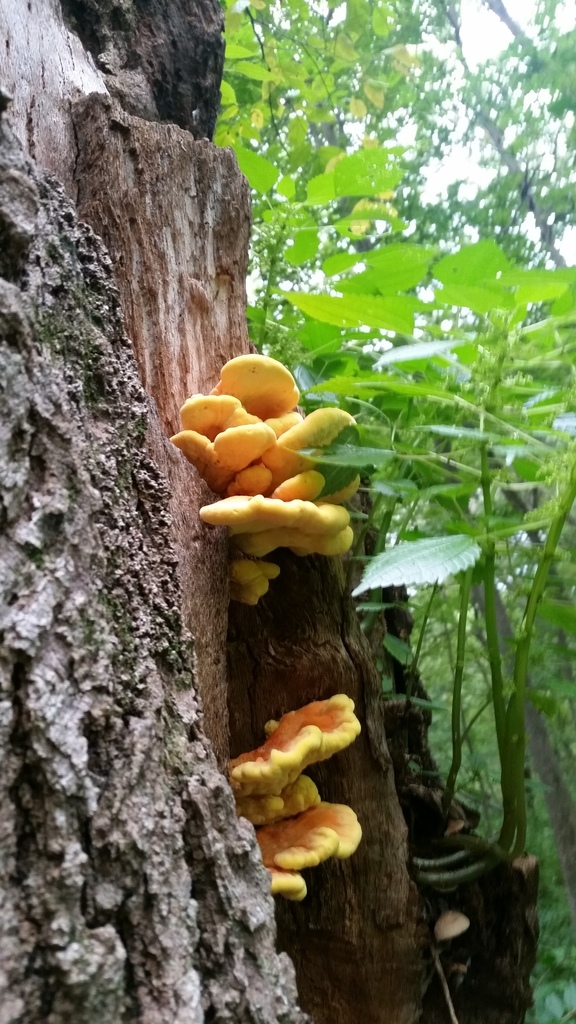
A 40-acre remnant of upland forest inside the Des Moines city limits, dedicated as a biological state preserve in 1982 after the Strasser family donated it. The half-mile trail through hilly woods takes twenty minutes, which makes this the after-work option rather than the day trip. It is the most intact old woodland you can reach without leaving the city, and mushroom hunting is expressly allowed. Do not come expecting facilities: there is a small parking area at the end of a residential street and nothing else.
Walnut Woods State Park
A flat, easy two-plus miles of bottomland forest along the Raccoon River, protecting what is reported to be the largest natural stand of black walnut in North America. Walnuts drop their leaves early, so the draw here in fall is less about color than about a level river walk with good light and more than ninety recorded bird species. The Athene pedestrian bridge links it across the river to Raccoon River Park, which doubles the distance if you want it. Being floodplain, the trails flood periodically and stay muddy for a while afterward.
Lake Ahquabi State Park
Six miles of trail south of Indianola, built as a loop around a 115-acre reservoir plus wooded side paths through the hills that flank it. The Civilian Conservation Corps built the dam, lodge and bathhouse in the mid-1930s and three areas of the park are on the National Register, so the stonework is part of the walk. Reflected color off the water is the reason to come in October, and the lake loop is gravel and level enough to do at dusk. It shares a road with the Annett Nature Center, which makes a two-stop afternoon easy.
Pammel Park
One of Iowa's first state parks, dedicated in 1928 and run by Madison County since 1989, built around a limestone ridge called the backbone that the Middle River wraps around. Some of the oldest recorded oaks in the state grow out of the rock up there, and nearly five miles of trail work the woodland below. The lower loop drops onto the river-bottom timber and climbs back on steeper grades, which is what makes it a real hike rather than a stroll. The park's other oddity is the Harmon Tunnel, a hand-cut passage through the ridge that the park road runs through.
Annett Nature Center and Park
The most trail miles per acre on this list: a seven-mile network folded into 160 acres of forest, prairie planting and wetland five miles south of Indianola. The primary trail drops from the nature center down through the woods and wetland to a 30-foot observation tower, which is the best elevated fall-color view in Warren County. Warren County Conservation runs guided forest-therapy walks here, and there are 25 geocaches along the trails if you want a reason to cover all of it. The center building keeps weekday office hours and is closed weekends, though the park itself is open sunrise to sunset.
Thomas Mitchell Park
The small, quiet one: 197 acres of mature oak-hickory woodland along Camp Creek, east of the metro near Mitchellville. Polk County describes the trails as moderate and they total under two miles across three short named routes, so this is an hour rather than an afternoon. The draw is that the woodland is old and full of wildflowers, mushrooms and deer, and it is rarely crowded. Worth knowing that the trail network wraps a developed core with a playground and ball field, so it is not a wilderness experience.
Yellow Banks Park
Named for the yellow glacial bluffs that stand 150 feet over the Des Moines River, which is the view you come for. The reason to pick it in autumn is the Savanna Trail, which passes some of the last open-grown savanna oaks in Polk County, a few estimated at more than 250 years old. Migrating hawks and bald eagles work this stretch of river through the fall. Trails here are a handful of short named paths rather than one long loop, so plan on stringing several together for a real walk.
How we researched this
The list holds natural areas with real hiking and leaves out recreation parks built around golf, playgrounds or beaches, which ruled out Jester Park, Big Creek State Park, Easter Lake and Fort Des Moines Park. The Iowa Arboretum and The Brenton Arboretum are planted collections rather than preserves; Whiterock Conservancy and Hitchcock Nature Center are 80 and 120 minutes out; McFarland Park and Ada Hayden belong to Ames. Berry Woods, Rolling Thunder Prairie and Doolittle Prairie publish no street address or trail mileage. The west metro is the thin side: Voas Nature Area and Kuehn Conservation Area in Dallas County were fully researched and dropped only because no photo of either exists anywhere we could use.
Where an agency lists trails individually without a total we did not add them up ourselves, and Madison County posts no hours for Pammel. The state parks' hours come from the Iowa DNR's statewide rule, and acreage for Walnut Woods and Lake Ahquabi comes from Wikipedia because the DNR does not list it; Ledges' 1,117 acres is the Iowa Geological Survey figure, not the 1,200 often repeated. None of the agencies' pages mentions an entry fee either way, so there is no admission column. Storms and high water close trails and fords, so check with the managing agency before a fall drive.