Best Solar Chargers
Sixteen solar chargers and power banks compared on price, rated watts, weight, ports and water rating, from the FlexSolar E10MINI to the BLUETTI 200W. Read our take
At a glance
| Option | Price | Type | Rated Solar Output | Weight | Ports | Water Resistance |
|---|---|---|---|---|---|---|
| $28.99source | USB chargersource | 10source | 0.57source | USB-Asource | IP67source | |
| $84.99source | USB chargersource | 28source | 1.5source | USB-A, USB-Csource | ||
| $79.99source | USB chargersource | 25source | 1.7source | USB-A, USB-Csource | IP67source | |
| $73.99source | USB chargersource | 30source | 1.23source | USB-A, USB-C, DC outputsource | IP67source | |
| $59.99source | USB chargersource | 40source | 1.65source | USB-A, USB-C, DC outputsource | IP67source | |
| $99source | USB chargersource | 45source | 3.09source | USB-C, DC outputsource | IP68source | |
| $149.95source | Panel with batterysource | 10source | 1.21source | USB-Asource | IPX4source | |
| $89.99source | Power station panelsource | 100source | 4.1source | USB-A, USB-C, DC outputsource | IP67source | |
| $229.99source | Power station panelsource | 100source | 6.2source | DC outputsource | IP68source | |
| $299source | Power station panelsource | 100source | 7.1source | USB-A, USB-C, DC outputsource | IP68source | |
| $259source | Power station panelsource | 110source | 8.8source | DC outputsource | IP68source | |
| $399.95source | Power station panelsource | 100source | 8.38source | USB-A, DC outputsource | ||
| $399source | Power station panelsource | 200source | 17.15source | DC outputsource | IP67source | |
| $449source | Power station panelsource | 220source | 15.4source | DC outputsource | IP68source | |
| $75.99source | USB chargersource | 60source | 2.6source | USB-A, USB-C, DC outputsource | IP65source | |
| $69.99source | Panel with batterysource | USB-A, USB-Csource | IPX5source |




Our take
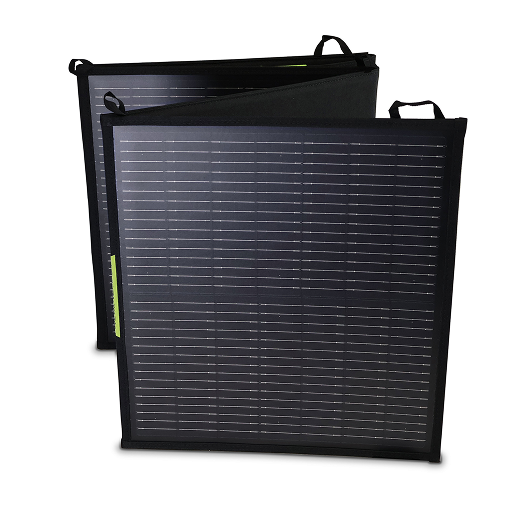
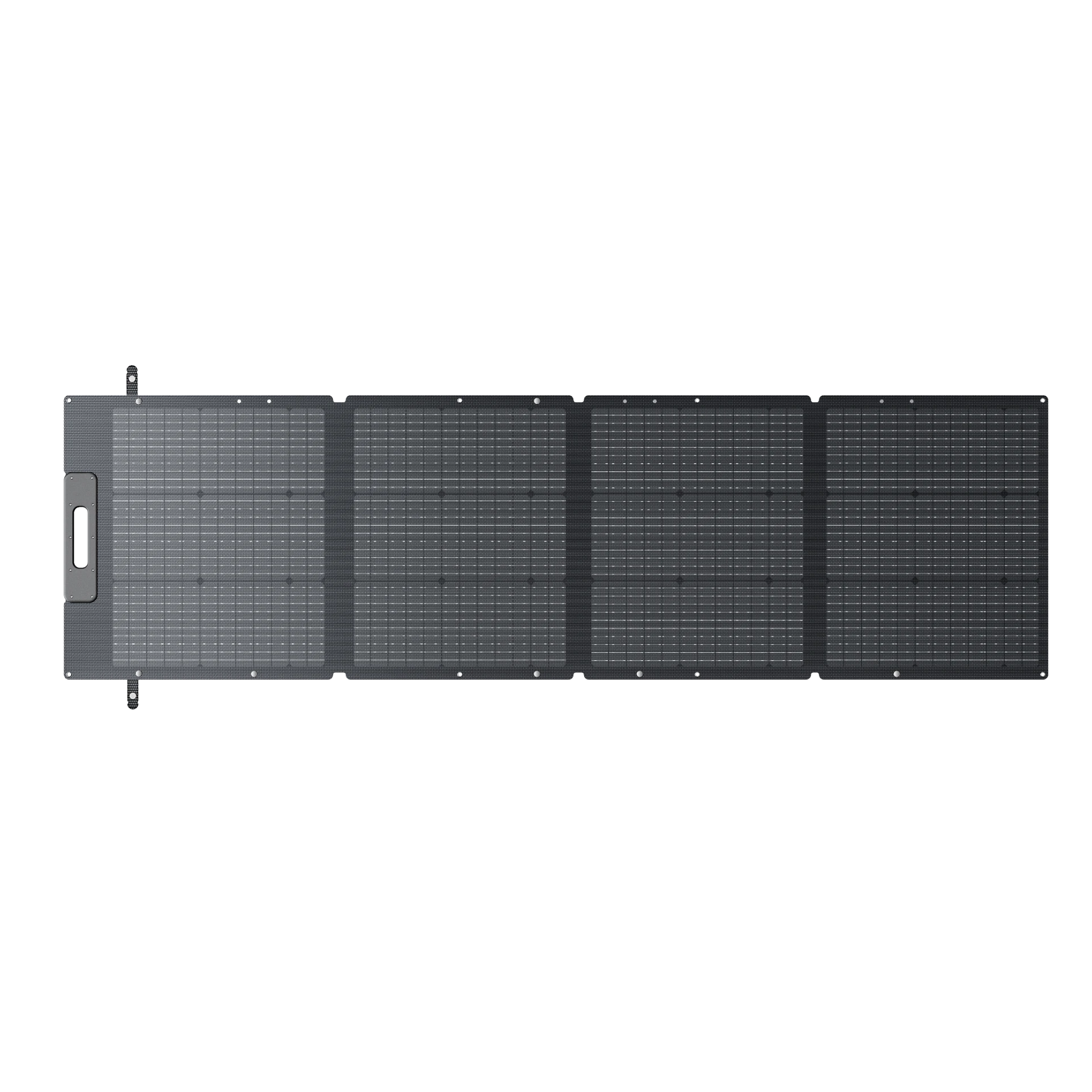
For charging a phone on the trail, the Renogy E.Flex 30W puts 30 rated watts into 1.23 pounds for $73.99, and the FlexSolar E10MINI is the lightest and cheapest panel here at 0.57 pounds and $28.99. For recharging a portable power station, the FlexSolar S100 rates 100 watts for $89.99, less than half the price of the Anker SOLIX PS100 Bifacial ($229.99), the next cheapest 100-watt panel.
The real split in this table is between USB chargers and power station panels. The seven USB chargers run from 10 to 60 watts and from 0.57 to 3.09 pounds, and you plug a phone or power bank straight into them; the largest, the FlexSolar S60 60W, also has a DC output for a small station. The seven power station panels run from 100 to 220 watts and from 4.1 to 17.15 pounds, and they only make sense with a station to fill. Two options store power: the BioLite SolarPanel 10+ is a panel with a small battery inside, and the BLAVOR 20,000mAh Solar Power Bank is a large battery with small panels on it.
Our picks
- Lightest for a pack: FlexSolar E10MINI. 0.57 pounds and $28.99 for a 10-watt panel with a USB-A port and an IP67 rating.
- Most power per pound for a pack: Renogy E.Flex 30W. 30 rated watts at 1.23 pounds, about 24 watts per pound, with USB-A, USB-C and a DC output, rated IP67.
- Best value for a power station: FlexSolar S100. 100 rated watts for $89.99 at 4.1 pounds, and it keeps USB-A and USB-C ports beside the DC output.
- Big output for a campsite: BLUETTI 200W (SP200L). 200 rated watts for $399 with an MC4 output and an IP67 rating. The 220-watt EcoFlow rates higher but showed as sold out on EcoFlow's store in November 2026.
- Power after dark: BioLite SolarPanel 10+. A 10-watt panel with its own battery, so a day in the sun can charge a phone at night, for $149.95 with an IPX4 rating.
Watts per pound for backpacking
Among the USB chargers, the Renogy E.Flex 30W and the FlexSolar E40PRO both deliver about 24 rated watts per pound (30 watts at 1.23 pounds, 40 watts at 1.65 pounds). The FlexSolar S60 60W gives up a little, about 23 watts per pound at 2.6 pounds, for the most output of any USB charger here. The BigBlue SolarPowa 28 (28 watts, 1.5 pounds) and the SunJack 25W (25 watts, 1.7 pounds) give up a little power for build details: BigBlue's grommets for hanging it off a pack, SunJack's sealed IP67 port box. The EcoFlow 45W is the heaviest USB charger at 3.09 pounds, which puts it closer to a car-camping panel than a hiking one.
Charging a phone from a power station panel
Only three of the seven power station panels can charge a phone directly. The FlexSolar S100 and the Jackery SolarSaga 100 Air have both USB-A and USB-C, and the Goal Zero Nomad 100+ has a USB-A port. The Anker SOLIX PS100 Bifacial, the EcoFlow 110W, the BLUETTI 200W and the EcoFlow NextGen 220W Bifacial have a DC output only, so without a power station connected they charge nothing. Check the connector too: Goal Zero uses an 8mm plug for its Yeti stations, BLUETTI uses MC4, and the EcoFlow and Anker panels ship with XT60 cables.
What the water ratings cover
A rating on the panel is not always a rating on the ports. FlexSolar rates the E10MINI and E40PRO IP67 but says their junction boxes are not waterproof, while SunJack rates the USB ports themselves IP67. The FlexSolar S60 60W listing says IP67 in its title and IP65 in its description, so the table shows the lower figure. BLUETTI rates the 200W panel IP67 and still says in its FAQ not to leave it in water. The BigBlue SolarPowa 28 and the Goal Zero Nomad 100+ have no published rating, which is why their cells are blank, the BLAVOR power bank is rated IPX5, and the BioLite SolarPanel 10+ is rated IPX4, enough for rain but not a soaking.
Rated watts versus what reaches your phone
Every wattage in this table is the maker's rating in full sun, and the ports often cap well below it. The EcoFlow 45W limits its USB-C port to 15 watts, the FlexSolar E40PRO caps its USB-A port at 18 watts, the FlexSolar S60 60W caps its USB-C port at 40 watts, and BigBlue lists the SolarPowa 28 at 24 watts of working output in total. On the 100-watt-plus panels the full rating only reaches a power station through the DC output, so compare the station's solar input limit before paying for a bigger panel.
A solar power bank works the other way around. The BLAVOR's battery does the charging, and BLAVOR rates its four small panels at 1.2 amps combined and calls solar an emergency charging solution, so fill it from an outlet before a trip and count on the sun only as a top-up. BLAVOR publishes no solar wattage for it, which is why that cell is blank.
The options in detail
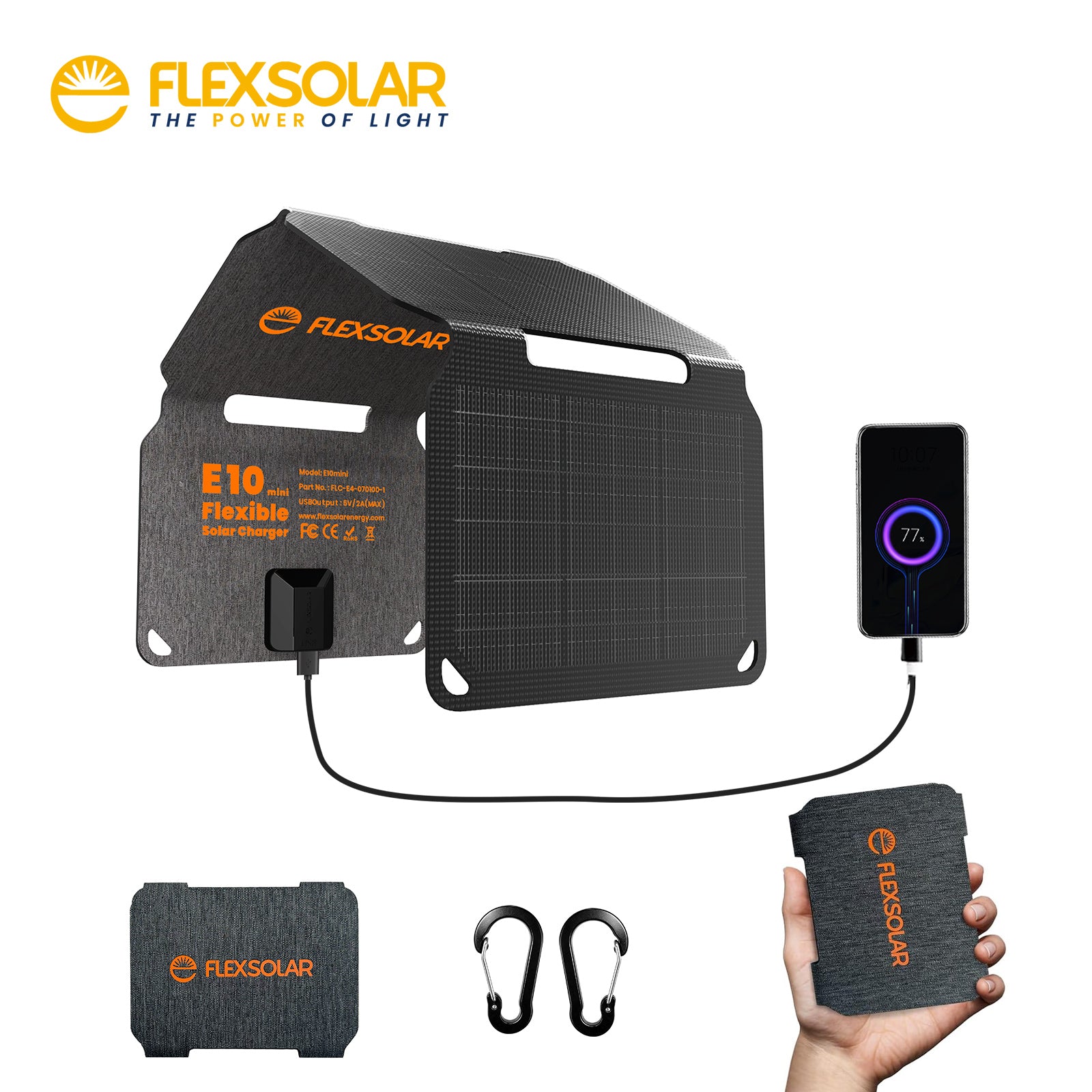
FlexSolar E10MINI
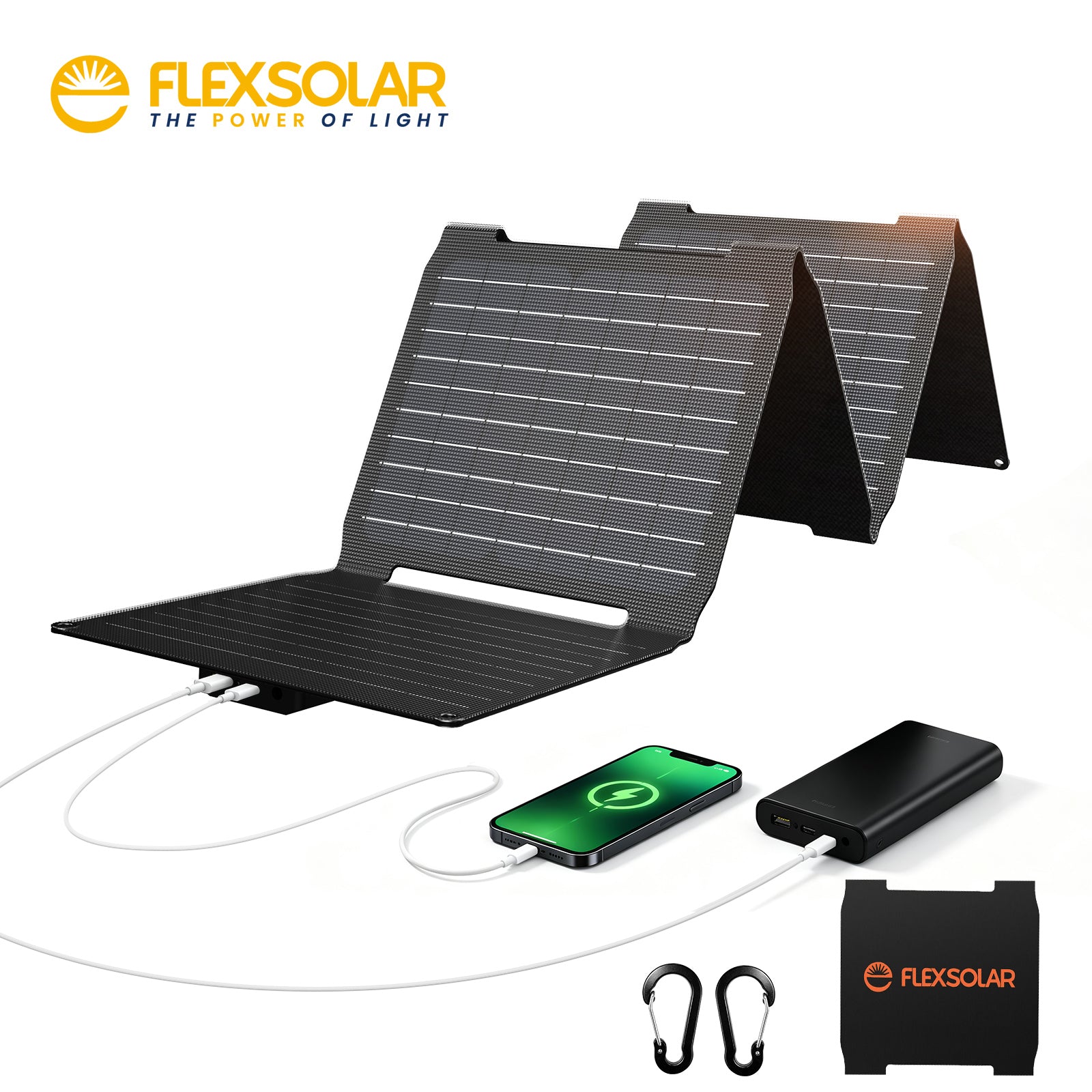
The smallest and lightest solar panel in this table: a 10-watt panel that folds into three sections and clips to a pack with the two carabiners in the box. Its single USB-A port is rated at 5V and 2A, so it suits a phone, a headlamp or a small power bank, and FlexSolar's own page warns that most laptops need more than a 5V port can give. The panel is rated IP67, but FlexSolar notes the junction box is not waterproof, so keep the port end dry. Its product page lists two weights, 200 g for the panel and 9.12 ounces for the item, and the table uses the item weight.
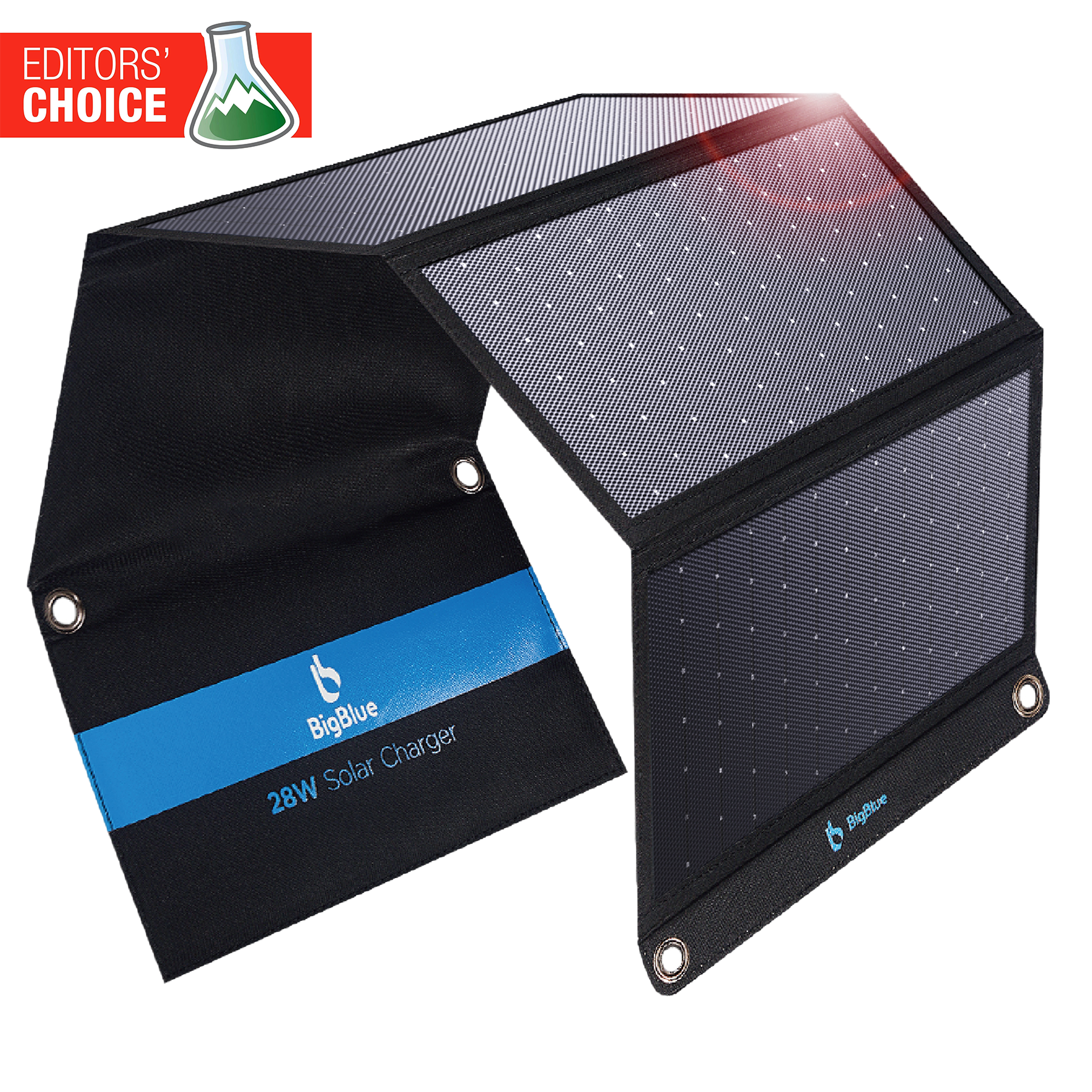
BigBlue SolarPowa 28
The panel that backpacking roundups name most often: 28 rated watts across one USB-A and two USB-C ports, in a folding body that hangs from a pack with reinforced grommets. BigBlue rates its back-contact cells at up to 25.4% conversion and states a working output of 24 watts in total rather than leaning on the 28-watt nameplate. Every port is a 5V port, so it charges phones and power banks but not a laptop. BigBlue publishes no water-resistance rating for it.
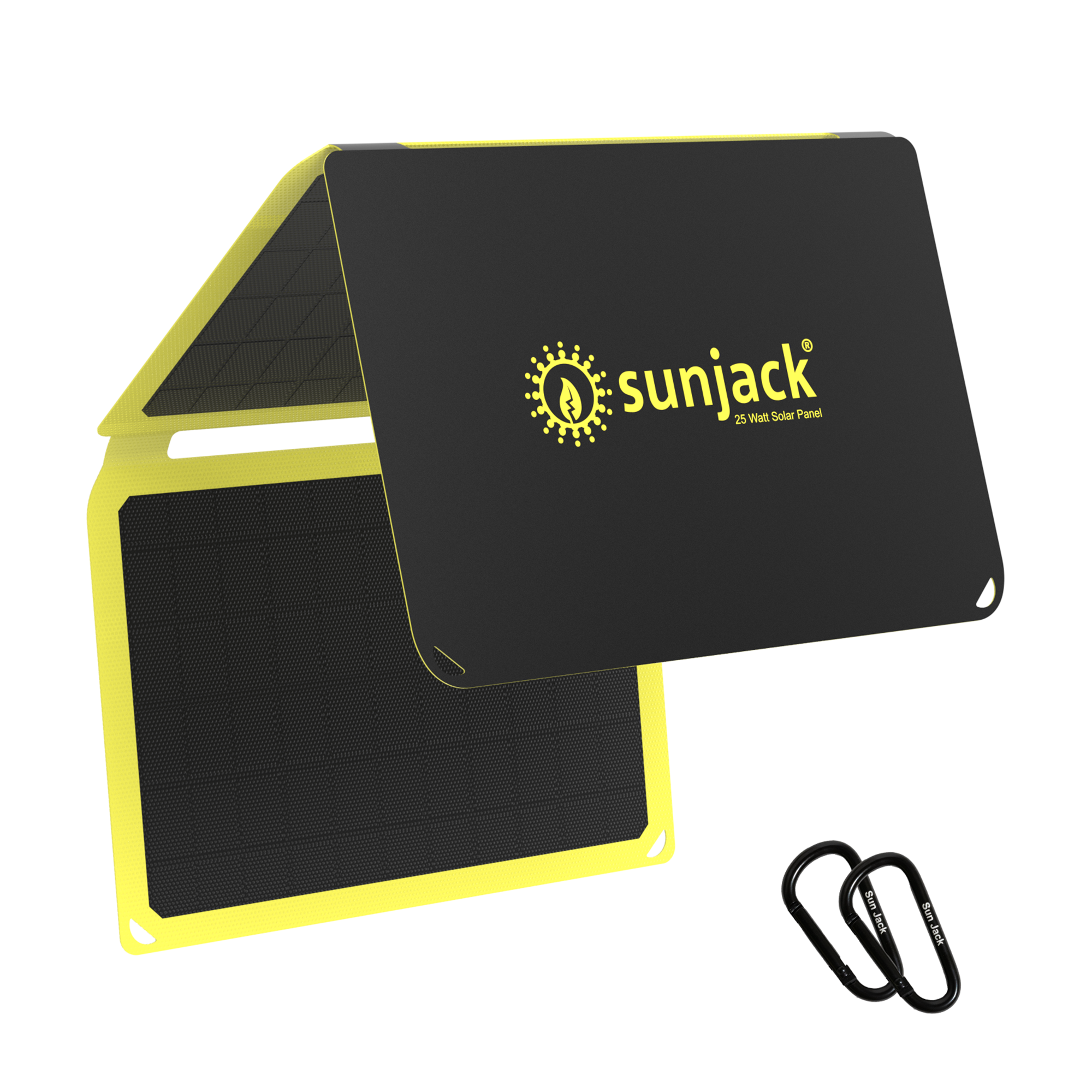
SunJack 25W
A 25-watt folding panel with a magnetic closure and an ETFE face, which SunJack argues holds up to sun far better than the PET film on cheaper panels. Its USB-C and USB-A ports are each rated 5V and 3A and sit in a sealed junction box rated IP67, so the ports are protected, not just the cells. It is heavier than the BigBlue for slightly less power. SunJack also sells it as a kit with two 10,000 mAh power banks; the price here is the panel alone.
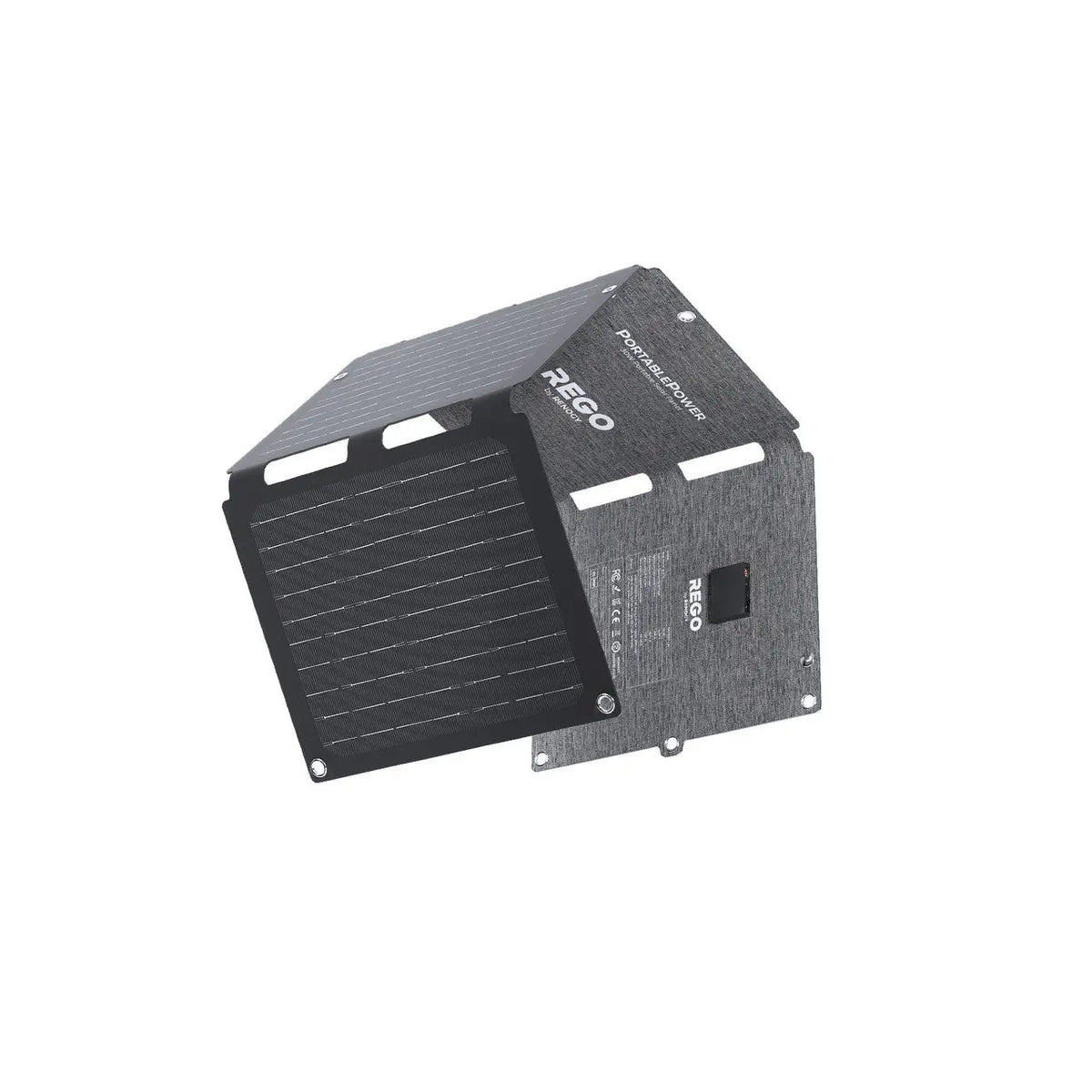
Renogy E.Flex 30W
The most watts per pound among the small USB chargers here: 30 rated watts in a panel of about a pound and a quarter. Its USB-C port supports PD 3.0 at up to 20 watts, and a 30-watt DC barrel output sits beside the USB ports. Renogy rates it IP67 and fits four carabiners for hanging it off a pack. One reviewer on Renogy's store noted that the DC barrel connector is not clearly identified on the panel.
FlexSolar E40PRO
A 40-watt folding panel with USB-A, USB-C and a 19V DC barrel output, so it can top up a phone or feed a small power station that accepts 19V. FlexSolar is unusually plain about the limits: the USB-A port tops out at 18 watts, the 40-watt figure is not a per-port number, and DC and USB should not be used at the same time. The one-piece ETFE lamination is rated IP67, though the junction box is not waterproof. At about a pound and two-thirds it is light for 40 watts.
EcoFlow 45W (Type-C)
EcoFlow's smallest folding panel, in the version with a USB-C port for charging a phone or laptop directly and a DC5521 output for a small power station such as EcoFlow's RIVER series. The USB-C port is limited to 15 watts, so the full 45 watts only reaches a power station. EcoFlow uses TOPCon cells rated up to 25% conversion and rates the panel IP68, the highest rating among the small panels here. It is also the heaviest of them at about three pounds.
BioLite SolarPanel 10+
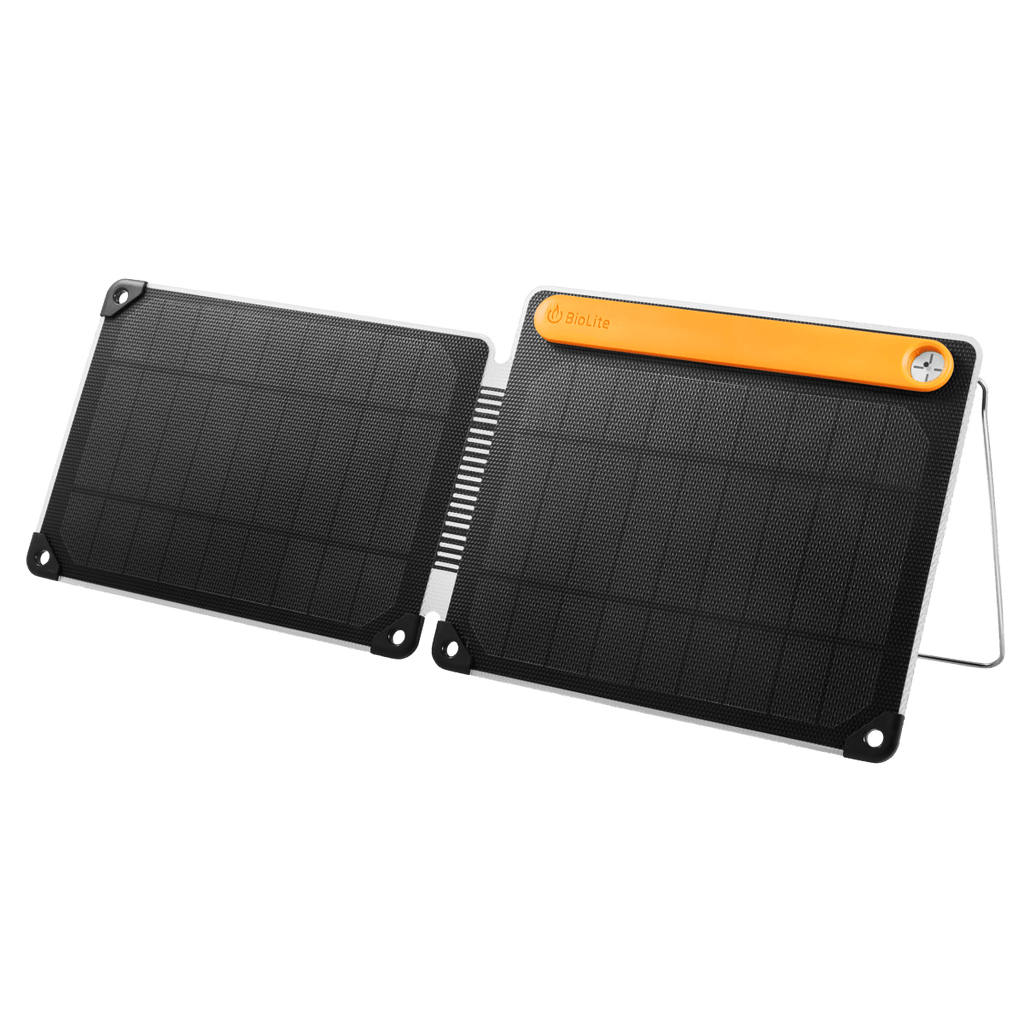
A panel first and a battery second, the reverse of the BLAVOR power bank: a 3,200 mAh cell in the panel stores what it collects, so it can sit in the sun all afternoon with nothing plugged in and charge a phone after dark. A built-in sundial and kickstand make aiming it easy, which matters on a panel this small. Ten watts through one USB-A port makes it a slow topper rather than a generator, and it is expensive for its output. It is rated IPX4, which covers rain and splashes, not a soaking.
FlexSolar S100
The least expensive 100-watt panel in this table by a wide margin, and one of the lightest at about four pounds. Unlike most power station panels it keeps USB-A and USB-C ports (PD 3.0) beside its 100-watt DC output, and the included four-in-one cable ends in Anderson, XT60, DC7909 and DC5521 plugs to fit most power stations. FlexSolar rates it IP67. Check your station's accepted voltage before you buy, since its DC output runs at 20 to 27 volts.
Anker SOLIX PS100 Bifacial
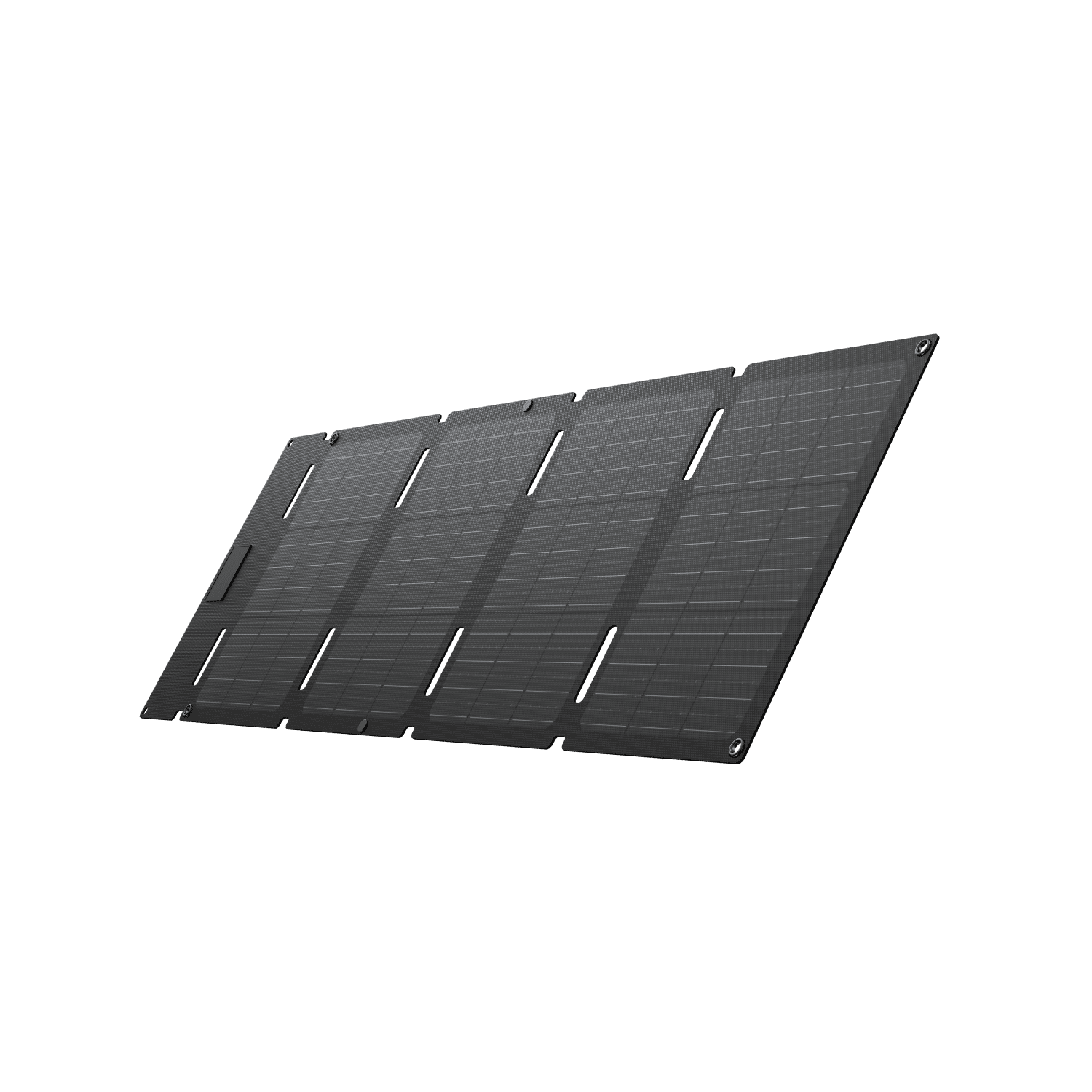
A 100-watt panel with cells on both faces, so light reflected off sand, snow or concrete adds to what the front collects. Anker says it is 10% lighter than the version it replaces, at 6.2 pounds for the panel or about 7 with its stand, and rates it IP68 with an aluminum frame. It ships with an XT60i cable for Anker's own power stations and has no USB ports, so it is for recharging a station, not a phone. Anker backs it with a five-year warranty.
Jackery SolarSaga 100 Air
Jackery's light 100-watt panel: bifacial cells, an integrated aluminum stand with stake holes for wind, and 7.1 pounds, which Jackery puts at 27% lighter than a typical 100-watt panel. Beside the main output for an Explorer power station it has USB-A and USB-C ports, so it can also charge a phone directly. Jackery rates it IP68. It is not compatible with several older Explorer models (the 300, 300 v2, 300D and 240D), so check the station you own before you buy.
EcoFlow 110W
EcoFlow's long-running one-piece folding panel for its power stations, self-supporting when opened and sold with a solar-to-XT60 cable in the box. It has no USB ports at all, so everything it makes goes into a power station. EcoFlow rates it IP68 and says it was dunked underwater for 72 hours in testing. At 8.8 pounds it is heavier than the newer 100-watt panels here for about the same output.
Goal Zero Nomad 100+
Goal Zero's 100-watt folding panel, redesigned to be 27% smaller and 18% lighter than the Nomad 100 it replaces. It feeds Goal Zero's Yeti power stations through an 8mm cable and keeps a USB-A port for a phone, and Goal Zero quotes about 3 hours to recharge a Yeti 300 in good sun. Two can be chained for faster charging. It is the most expensive 100-watt panel in this table, and Goal Zero publishes no water-resistance rating for it.
BLUETTI 200W (SP200L)
A 200-watt folding panel with a standard MC4 connector, which BLUETTI says works with other brands' power stations as long as the voltage matches. The cells are rated at up to 23.4% efficiency under an ETFE coating. BLUETTI rates it IP67 but is explicit in its FAQ that this means splash protection and the panel should not be left in water. At about 17 pounds it is the heaviest panel here, built for a campsite or a vehicle rather than a pack.
EcoFlow NextGen 220W Bifacial
The most powerful panel in this table: 220 rated watts on the front plus a 175-watt rear face that catches reflected light, which EcoFlow says can add up to 28% more energy. It uses TOPCon cells rated at 25% efficiency behind tempered glass and ETFE, carries an IP68 rating, and has a stand that sets the angle between 30 and 60 degrees. It ships with an XT60i cable and has no USB ports. At about 15 pounds it is for a campsite, an RV or home backup, not a hike. In November 2026 EcoFlow's US store showed it as sold out and several retailers no longer carried it, though EcoFlow had not said it was discontinued, so check stock before you plan around it.
FlexSolar S60 60W
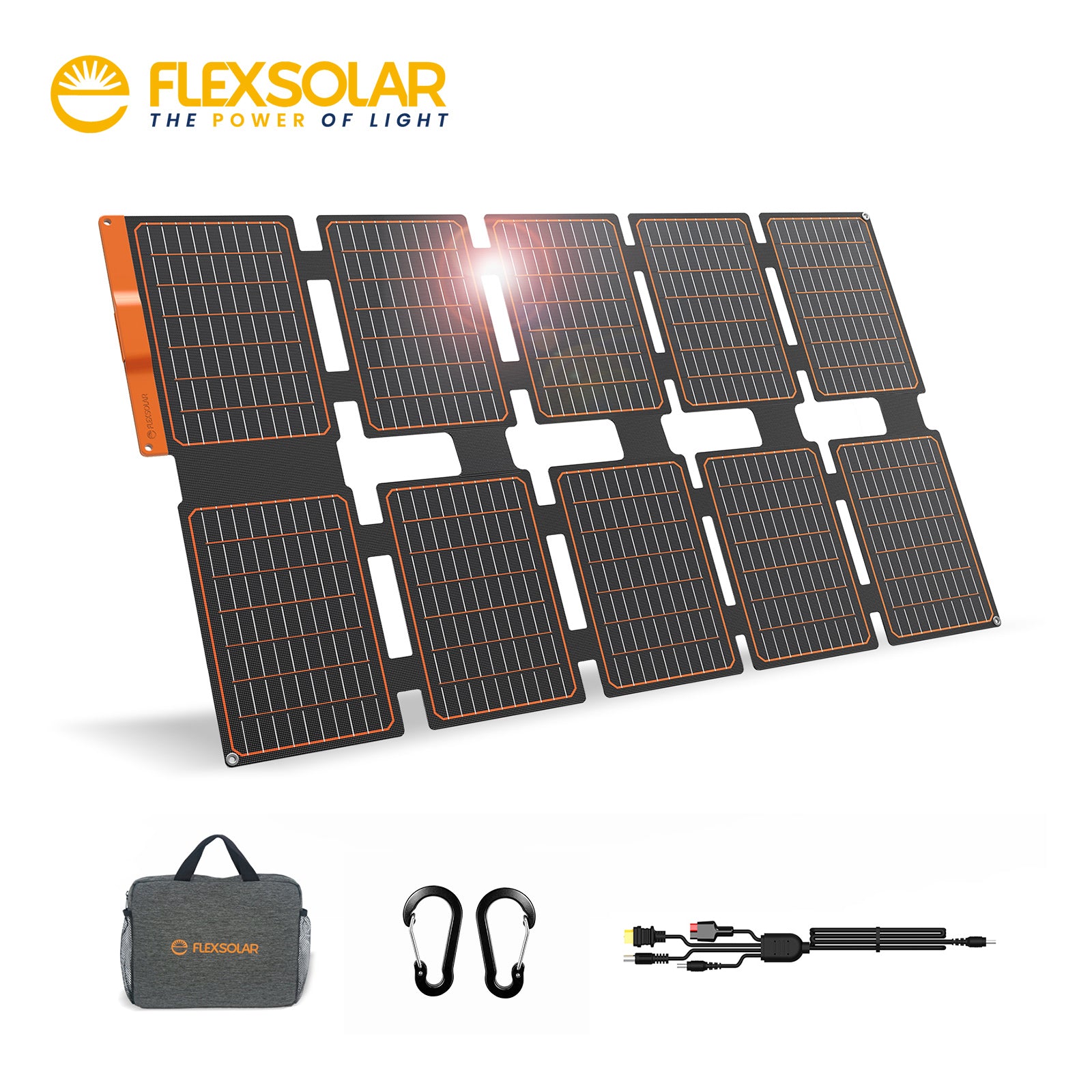
The 60-watt FlexSolar that OutdoorGearLab named its best overall solar charger in its August 2026 test, and the bridge between the pack-size USB chargers and the 100-watt power station panels. Six folding sections weigh 2.6 pounds, and it has USB-A and USB-C for a phone plus a DC output for a small power station under 300 watt-hours. The USB-C port tops out at 40 watts, there is no kickstand, and FlexSolar notes the junction box is not waterproof. The listing's title says IP67 while its description says IP65, so the table uses the lower rating. It is sold on Amazon by FlexSolar's own store, so its price is Amazon's.
BLAVOR 20,000mAh Solar Power Bank
A battery pack with four fold-out solar panels, and OutdoorGearLab's pick for a charger with a built-in battery. It stores 20,000 mAh and charges a phone through two USB-A ports and a two-way USB-C port at up to 18 watts, with a camping light, a flashlight, a compass and a carabiner built in. The panels are small: BLAVOR rates all four together at 1.2 amps in strong sun and calls solar an emergency charging solution, so fill the battery from an outlet before a trip and treat the sun as a top-up. BLAVOR does not publish a solar wattage or a weight for it, which is why those cells are blank, and its price is Amazon's.
How we researched this
We read each maker's own US product page for the price, rated watts, weight, ports and water rating, and recorded every value with the sentence it came from (Renogy's port list came from its EU page, which states it more fully). The FlexSolar S60 60W and the BLAVOR 20,000mAh Solar Power Bank are sold mainly on Amazon through their makers' own stores there, so their values and prices come from those listings. The set was drawn from current tested roundups, including OutdoorGearLab's list and backpacking guides, plus the main power station panel makers. Left out: Goal Zero's Nomad 20, whose page does not say which kind of USB port it has; Jackery's SolarSaga 100 Prime, whose page publishes no weight; and BLAVOR's other panels and smaller power banks, to keep one of each kind. A blank cell means the maker does not state that detail. Prices and stock change often (in November 2026 the EcoFlow NextGen 220W Bifacial showed as sold out on EcoFlow's store), so confirm the current offer before you buy.