best survey tools for teams
Updated .
| Option | Price | Team Seats | Responses Included | Free Plan | Focus |
|---|---|---|---|---|---|
The default name in survey software, and the one most non-technical colleagues already know how to use. Team pricing starts with the Team Advantage plan, which is charged per user with a three-seat minimum, so the real bill is at least three times the headline rate. In exchange you get shared brand assets, user roles and account permissions, and a template library nothing else here matches. The free Basic tier is fine for a one-off survey but caps how many responses you can actually read. | $30source | Priced per usersource | 50,000 responses per yearsource | Limited responsessource | Survey platformsource |
Typeform asks one question at a time, which is why it gets used for anything customer-facing where finishing the form matters as much as the answers. The Plus plan is the first tier that includes more than one seat, and it is also the point where Typeform branding comes off and a custom subdomain becomes available. The catch is volume: the monthly response base is small next to survey-first tools at similar money, and the hard ceiling above it is not much higher. | $56source | 3 userssource | 1,000 responses/mosource | Form buildersource | |
Jotform is a form builder first and a survey tool second, with a very large template library, payment and signature collection built in, and HIPAA-enabled features on its top tier. The important detail for a team is that every published tier (Bronze, Silver, Gold) is a single-user account: multi-user access is an Enterprise conversation with no public price. That makes it a good fit when one person builds forms on everyone else's behalf, and a poor one when several people need to edit the same form. | $34source | 1 usersource | 1,000 Monthly Submissionssource | Limited responsessource | Form buildersource |
Tally's argument is that the free tier is genuinely usable rather than a demo: unlimited forms and unlimited submissions, with conditional logic, file uploads and payment collection included at no cost. The Pro upgrade buys branding removal, custom domains, partial submissions and shared workspaces, and it puts no cap on how many teammates you invite. For a group that just wants one shared place to build forms without counting seats, it is the cheapest credible option on this list. | $24source | Unlimited userssource | Unlimited submissionssource | Unlimited responsessource | Form buildersource |
Fillout charges for usage rather than for people: every plan, the free one included, comes with unlimited seats, and you move up a tier when your monthly response count grows. One subscription covers forms, scheduling, PDF generation, payments and workflows, with a large native integration list for pushing answers into the tools you already use. It is the option to look at when the team is large but the survey volume is modest, since headcount never changes the bill. | $15source | Unlimited userssource | 2000 responses/mosource | Limited responsessource | Form buildersource |
Formstack sells process and compliance rather than survey design: its Forms plan is aimed at teams collecting regulated data and routing it into approvals, generated documents and eSignatures. The entry Forms plan includes a single builder user, so every extra editor costs more, and there is no free tier at all, only a 14-day trial. It earns its price mainly if you also need the Documents and Sign products or the Salesforce-native version; as a plain survey tool it is expensive. | $83source | 1 usersource | 1,000 Submissions per formsource | Trial onlysource | Form buildersource |
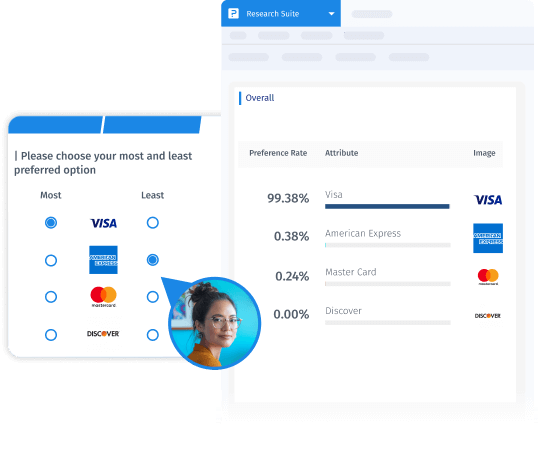
QuestionPro is a research-grade survey platform whose free Essentials tier is unusually generous on features (logic, integrations, analysis) even though it is tight on responses. Its Team Edition is the plan built for groups: priced per user, sold from five users up, and carrying a far larger annual response allowance plus collaboration and regional data centres. It suits a team running real market research and needing question types and analysis beyond a simple feedback form. | $83source | Priced per usersource | 100K Responses per yearsource | Limited responsessource | Survey platformsource |
SurveySparrow builds conversational surveys and adds AI follow-ups that ask a clarifying question when an answer is vague, which is its main reason to exist next to cheaper form builders. The Business plan is the first tier the company itself describes as being for teams, adding custom branding, workflows, webhooks and three seats. Alongside plain surveys it bundles NPS, CSAT and CES programs, so it sits closer to a feedback platform than a form tool; extra users beyond the three are a per-user add-on. | $79source | 3 userssource | 36,000 responses /yrsource | Limited responsessource | Survey platformsource |
Zoho Survey is the cheapest full survey tool here that still gives you unlimited surveys and unlimited questions, and it gets more attractive if your team already pays for other Zoho apps it plugs into. The Plus plan is the middle tier and the first one with a monthly response allowance rather than an annual one. Check the seat count before buying it for a group, though: every plan below Enterprise is a single-user account, and user management only appears on the top tier. | $25source | 1 usersource | 3,000 per survey, monthlysource | Limited responsessource | Survey platformsource |
Qualtrics is the enterprise standard for experience management, and the gap between it and everything else on this list is methodology: quota management, expert review of survey design, response weighting, statistical analysis and text and sentiment analysis are built in. The published Strategic Research price is an order of magnitude above the rest, and anything larger is quoted rather than listed. Its free account is a real product with no expiry rather than a countdown trial, which makes it an easy way to try the builder before talking to sales. | $420source | Unlimited userssource | Limited responsessource | Experience managementsource | |
Polly runs inside Slack and Microsoft Teams instead of a browser tab, which is the whole point: standups, pulse checks and quick team polls get answered because nobody has to leave the conversation. The Team plan is the first tier with real collaboration and demographic filters, and it is sold as a five-seat bundle rather than per person. It is the wrong tool for a long customer questionnaire, since the question types are deliberately simple, but it is the right one for reading the room every week. | $249source | 5 userssource | Unlimited participants and responsessource | Unlimited responsessource | Employee engagementsource |
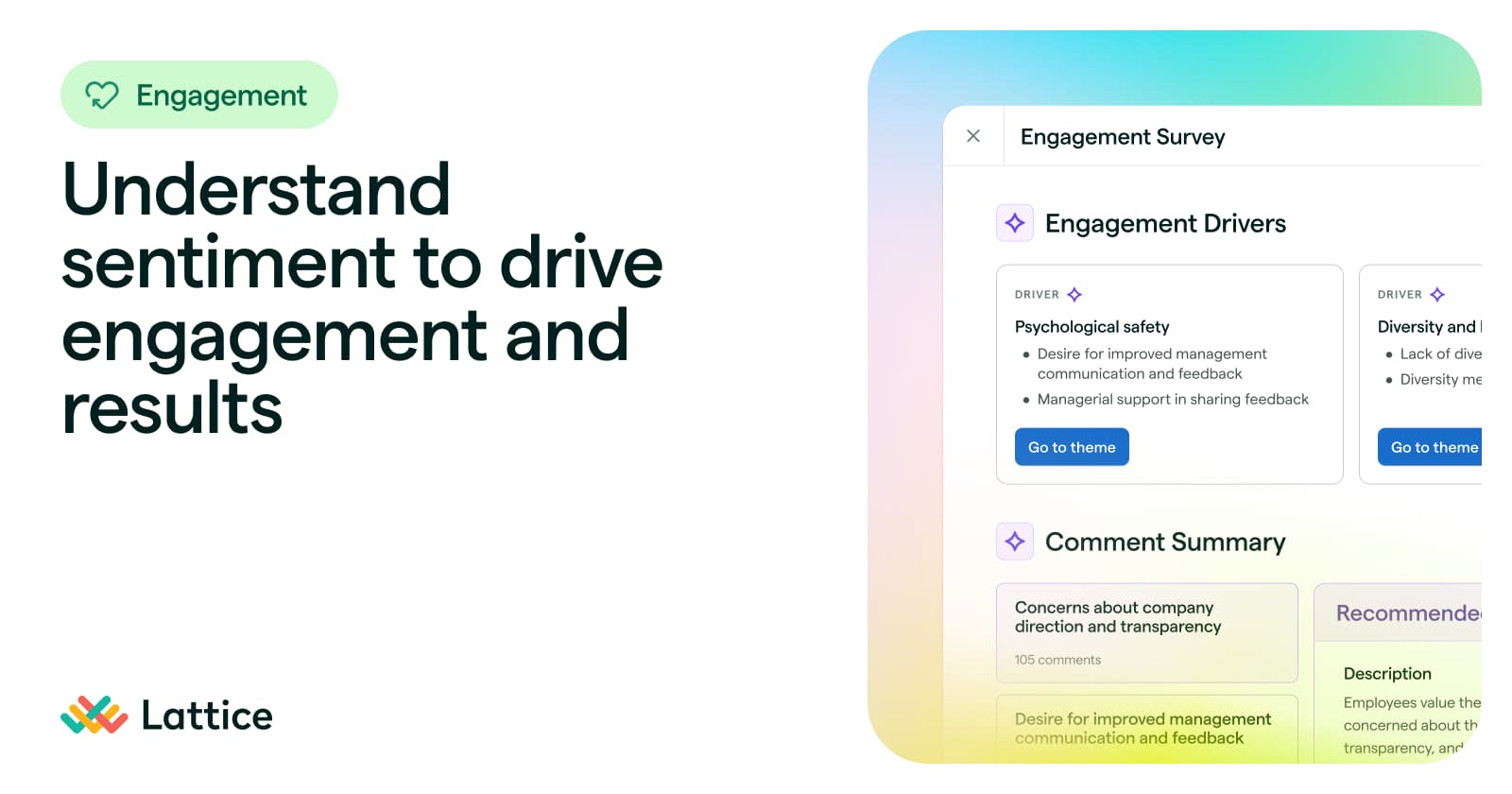
Lattice Engagement is a module of an HR platform rather than a general-purpose survey tool: pulse surveys, onboarding and exit surveys, eNPS and cross-industry benchmarking, all priced per employee seat. That per-seat rate is the lowest number in this table, but it only makes sense if the people you are surveying are your own staff, and it is bought alongside the rest of Lattice rather than on its own. Weigh it against Polly when the goal is employee sentiment, not customer feedback. | $4source | Priced per usersource | Employee engagementsource |