Best time to see whales in Hawaii
Updated .
| Option | Sighting Odds | Season Stage | Sanctuary Season | Avg Air Temp (°F) | Avg Rainfall (in) | Ocean Temp (°F) | Crowd Level |
|---|---|---|---|---|---|---|---|
January is when the ʻAuʻau Channel starts to feel full: numbers are climbing toward their winter peak, the boats are running a full schedule, and shore lookouts on West Maui and the Kohala coast pay off without paying for a ticket. The trade-off is that it is one of Hawaii's wetter months and holiday pricing carries into the first weeks of the new year. Go in the morning if you can, since shore counts record about 50% more whales at 8 a.m. than at noon. | Highsource | Peaksource | Yessource | 71.2source | 2.69source | 77source | Above averagesource |
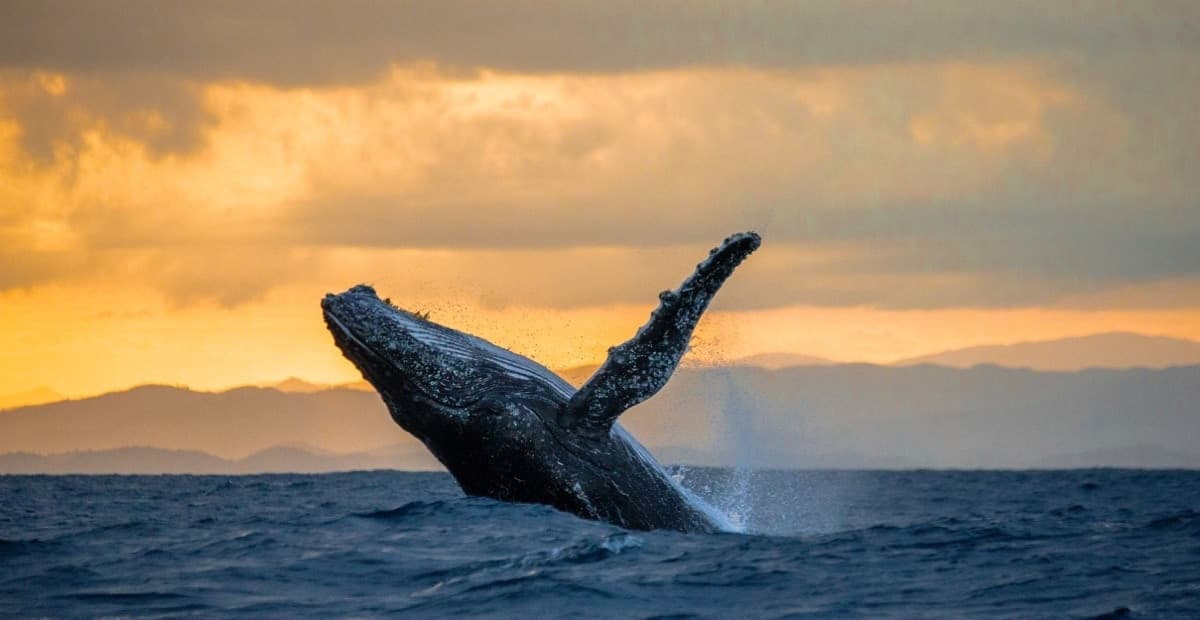
February usually has the most whales in the water, and it is the month naturalists and operators name first. It is also the coolest month on the West Maui coast, averaging about 71°F, with rain already easing off the December peak. Winter crowds run above Maui's yearly average, so peak-season tours sell out and are worth booking one to two weeks ahead. | Highsource | Peaksource | Yessource | 71.2source | 1.81source | 76.3source | Above averagesource |
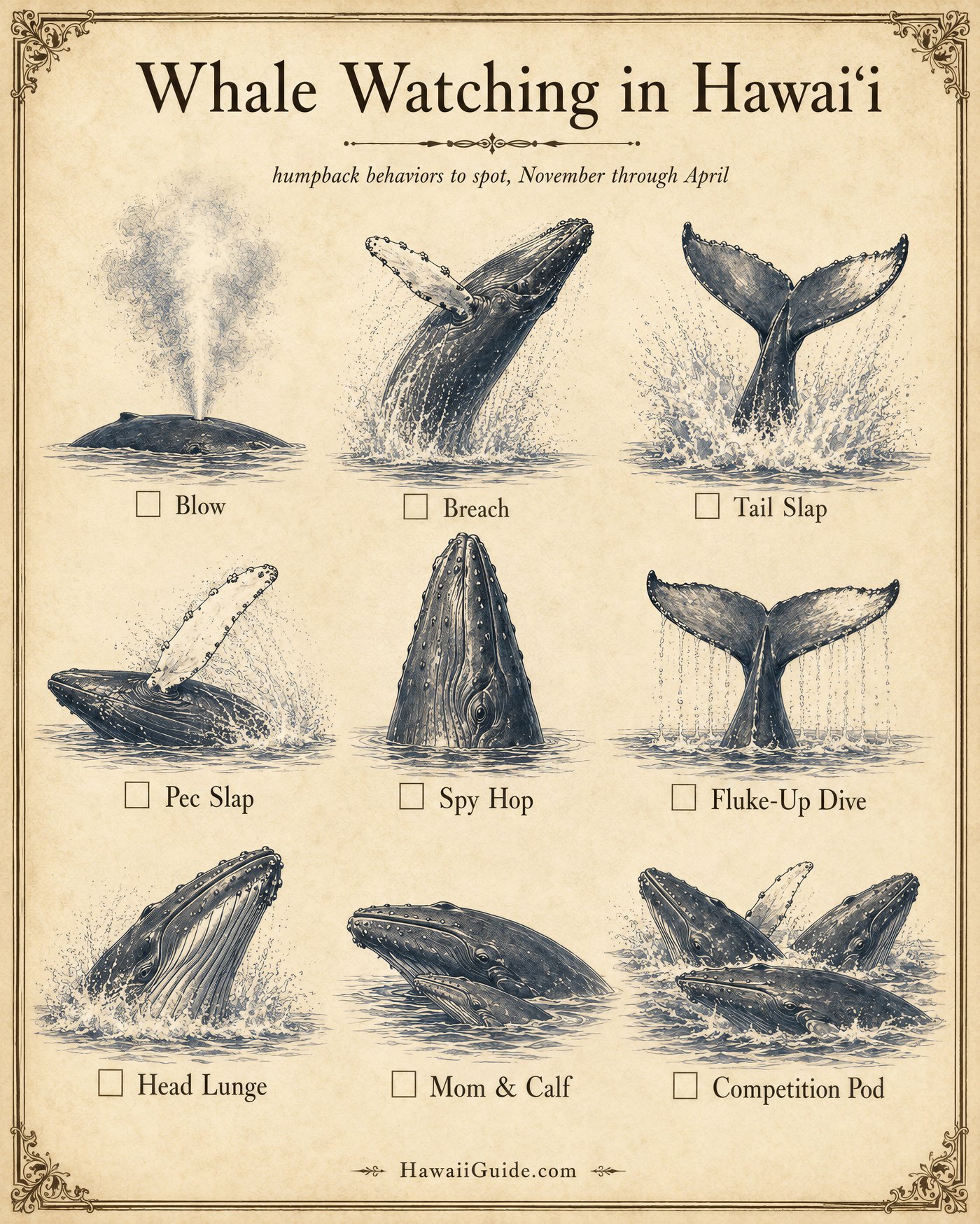
March closes out the three peak months, and boat tours still see breaching, tail-slapping and pods roughly 95% of the time. Shore counts on some coasts start to slide (the Big Island's Kohala total roughly halves from February), but the channel between Maui, Lanaʻi and Molokaʻi is still the densest humpback habitat in the North Pacific. It is also the driest of the three peak months on the west side, which makes it the sweet spot if rain worries you. | Highsource | Peaksource | Yessource | 71.9source | 1.24source | 76.1source | Above averagesource |
April is where the season falls off. Early April still gives decent odds and boats are still going out; by late April most operators have stopped and the whales are heading back to Alaska. In exchange you get the year's best value window on Maui, with crowds and room rates below the island's average and West Maui at its driest since October. A late-April visitor can find whales offshore and no boat going out to them, so book early in the month or plan to watch from shore. | Mediumsource | Whales leavingsource | Yessource | 73.3source | 0.59source | 76.8source | Below averagesource |
By May the humpbacks are essentially gone: the last of them leave in early May, and the sanctuary's official season ends on the 15th. Sighting odds are very low and the whale boats have wound down for the season. What May does offer is the other half of a Hawaii trip, with warm flat water, almost no rain on the west side, and visitor numbers below Maui's yearly average. | Very lowsource | Whales leavingsource | Part of the monthsource | 75.1source | 0.49source | 77.9source | Below averagesource |
There are no humpbacks in Hawaiian waters in June: the entire population is feeding in Alaska, and it stays that way through October. Operators that still advertise whale trips are running far offshore for pilot whales, sperm whales and beaked whales instead, which is a longer, rougher and much less certain day on the water. June starts the dry season on West Maui and also the summer crowds, when school holidays push visitor numbers up. | Nonesource | Off-seasonsource | Nosource | 76.8source | 0.25source | 79source | Busiestsource |
July has no humpbacks and some of the busiest beaches of the year, as mainland school holidays land on the islands. What it does have is the calmest, clearest water of the year for snorkeling, near-zero rain on the leeward coast, and an ocean pushing 80°F. If whales are the reason for the trip, this is the month to move. | Nonesource | Off-seasonsource | Nosource | 77.7source | 0.24source | 79.7source | Busiestsource |
August is peak summer on Maui: hot, dry, busy, and completely without humpbacks. Ocean temperatures sit near their annual high and West Maui records about a quarter inch of rain for the whole month, so beach and snorkel days are as dependable as Hawaii gets. Come in August for the water, not for the whales. | Nonesource | Off-seasonsource | Nosource | 78.4source | 0.25source | 80.4source | Busiestsource |
September is Maui's quietest and clearest month and its cheapest: hotel rates averaged around $424 a night in 2025, the lowest of the year. There are still no humpbacks, and the ocean peaks near 81°F. One recent season saw whales turn up in late September, but that is an outlier rather than something to plan a trip around. | Nonesource | Off-seasonsource | Nosource | 77.8source | 0.25source | 81source | Quietestsource |
October is the other bargain month, with rates near their annual low, the island still quiet, and water in the low 80s. Humpbacks are still away, though a few early arrivals can show up late in the month in some years. Rain begins creeping back onto the west side toward November, and the boats are not yet running whale trips. | Nonesource | Off-seasonsource | Nosource | 77.4source | 0.68source | 80.8source | Quietestsource |
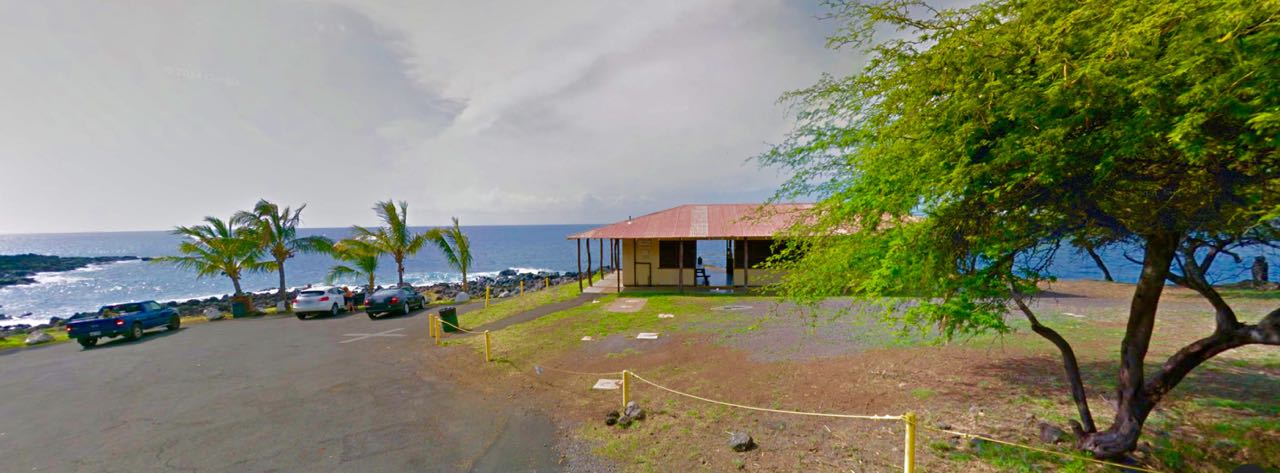
November is when the first humpbacks reach Hawaii, usually in the second half of the month, and sightings build from there. The catch is that most boats have not started whale trips yet, so November is a shore-watching month: Papawai Point on Maui, or the Kohala coast on the Big Island. Crowds and prices are still below the winter peak, and the wet season has only just begun. | Lowsource | Whales arrivingsource | Nosource | 74.9source | 1.94source | 79.7source | Below averagesource |
December is the month the season switches on. Whale trips go on sale around mid-December, the sanctuary's official season opens on the 15th, and sightings build steadily toward the January peak. It is also the wettest month on the West Maui coast and the fullest month of the year for visitors, with holiday pricing on rooms and flights, so the first half of December is the value half. | Mediumsource | Whales arrivingsource | Part of the monthsource | 72.4source | 2.85source | 78.1source | Busiestsource |