Does it snow in Washington in November?
Updated .
| Option | November Snowfall | November Snow Days | November Average High | November Average Low | November Precipitation | Elevation | Region |
|---|---|---|---|---|---|---|---|
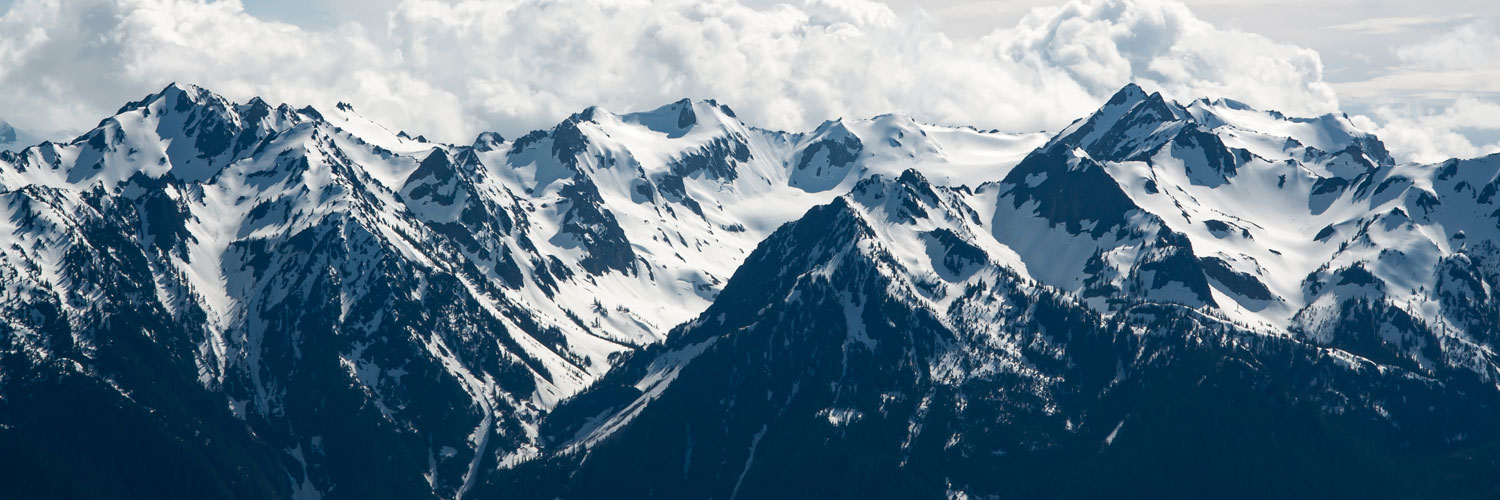
Paradise sits at about 5,400 feet on the south slope of Mount Rainier and is by a wide margin the snowiest place in this table. By November its winter is already fully underway, while cities two hours away have seen nothing at all. One caveat when comparing rows: the snowfall and snowy-day figures for this station come from an older averaging period (1981-2010) than the 1991-2020 normals used for most locations here, so read it as directionally right rather than exactly like-for-like. | 120.9source | 16.6source | 37source | 26source | 18.16source | 5,400source | Cascade Mountainssource |
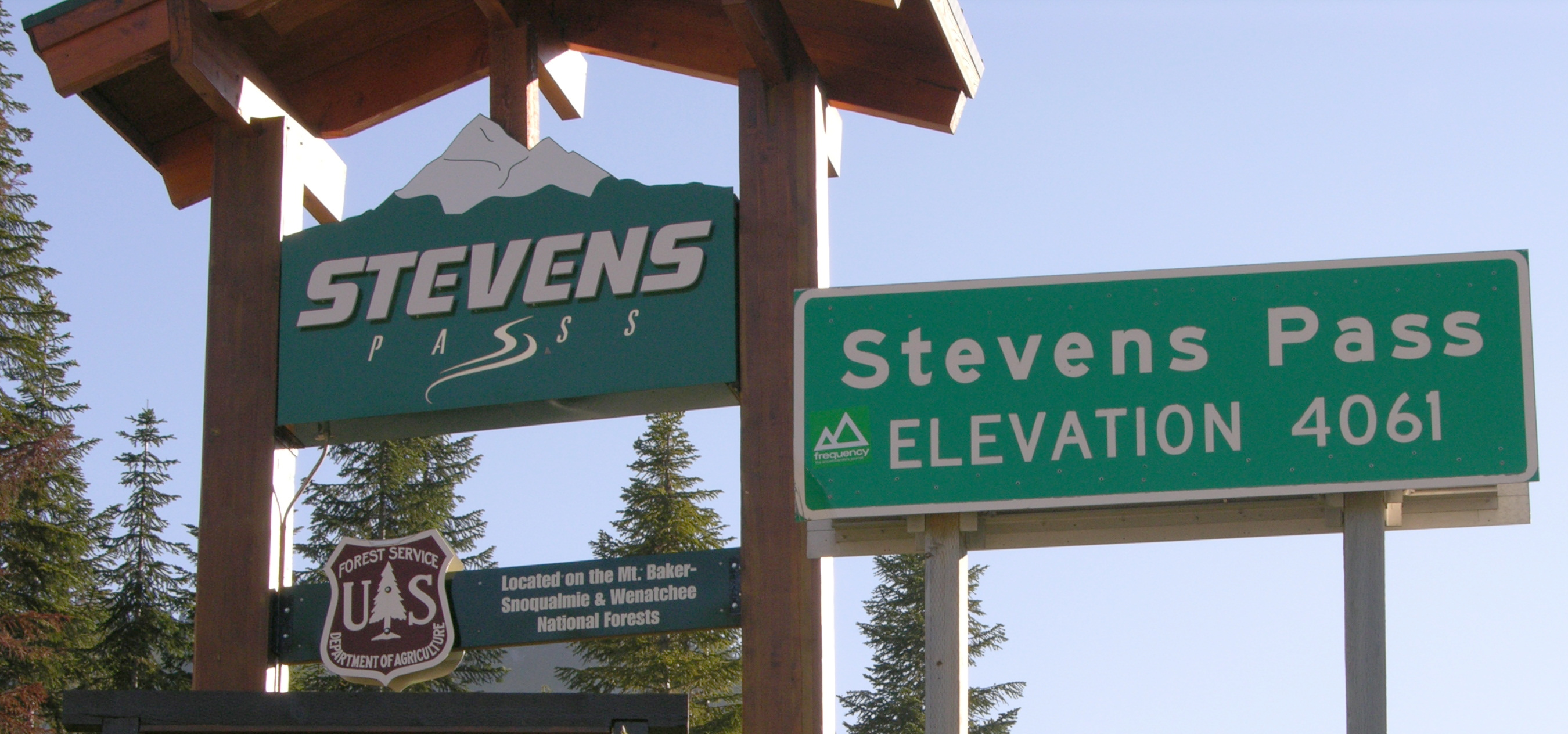
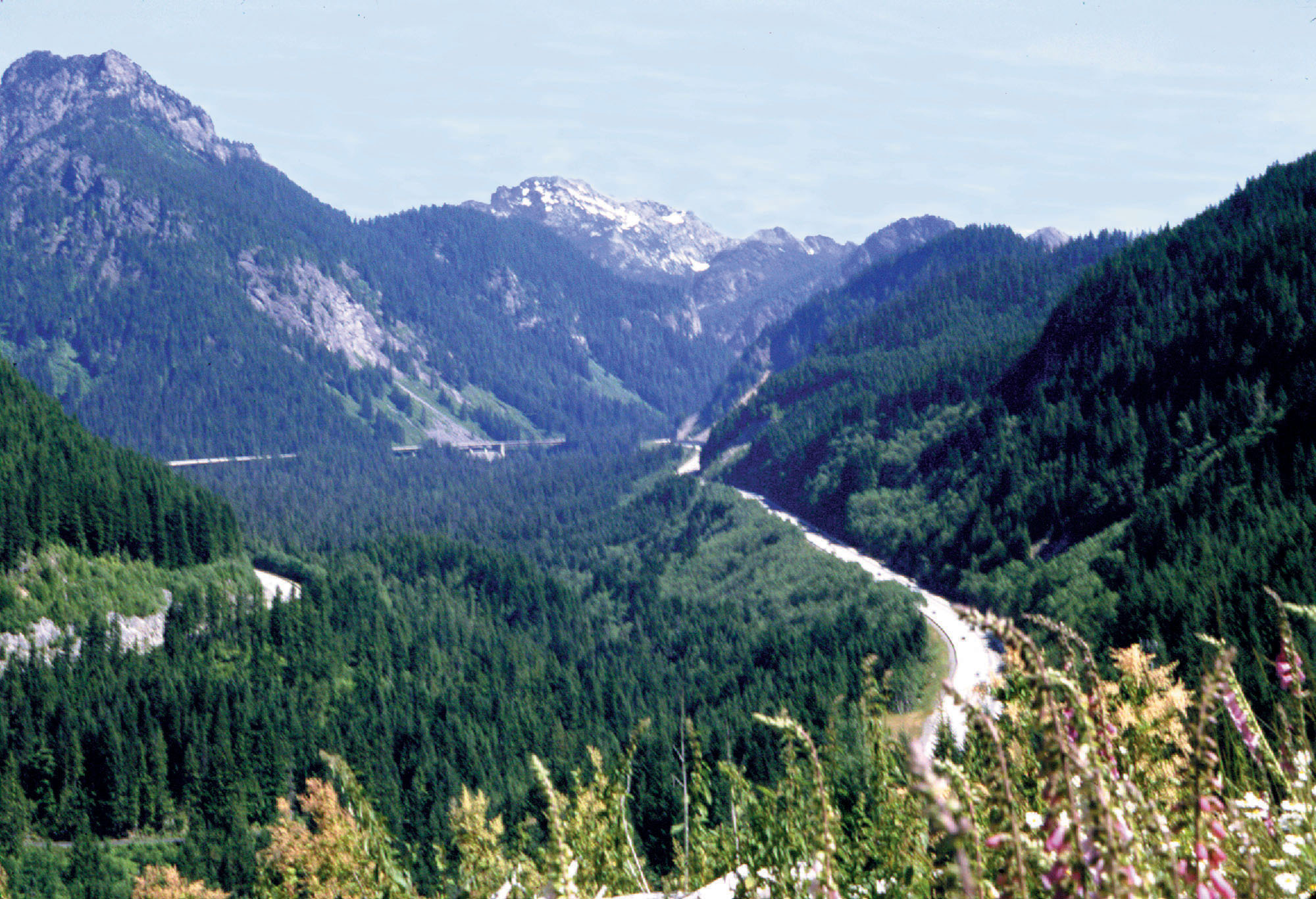
Stevens Pass carries US 2 over the Cascade Mountains at the King-Chelan county line, higher and snowier than the better-known Snoqualmie crossing on I-90. Its November snowfall is among the largest of any regularly reported station in the state, which is why a Seattle-side driver can leave home in rain and be in a full winter storm ninety minutes later. The pass has a long avalanche history: the 1910 Wellington disaster, when trains were stalled here by heavy snow and avalanches, happened on this crossing. | 66.4source | 35.8source | 26.6source | 14.89source | 4,061source | Cascade Mountainssource | |
Snoqualmie Pass carries Interstate 90 over the Cascade Range and is the crossing most Washington drivers actually use in winter. November is the month it flips over: the first accumulating snows of the season normally arrive now, and traction-tyre or chain restrictions can appear with very little warning. If a November trip involves driving between the Seattle area and Ellensburg, Yakima or Spokane, this is the row that matters most. | 39.9source | 8.2source | 40.1source | 28.2source | 13.17source | 2,963source | Cascade Mountainssource |
Longmire is the lower of Mount Rainier National Park's two long-running weather stations, a visitor services centre in the Nisqually River valley about half as high as Paradise. Paired with Paradise it gives the clearest illustration in this table of what elevation alone does to Washington snowfall: same mountain, same storms, dramatically different Novembers. Snow here is real and accumulating, but a November visitor should expect wet ground as often as white. | 18.6source | 5.5source | 42.5source | 29.3source | 12.96source | 2,761source | Cascade Mountainssource |
Mazama sits at the head of the Methow Valley on the east slopes of the North Cascades, immediately leeward of the range, which strips most of the moisture out of Pacific storms before they arrive. What is left falls on a cold valley floor, so November snow here is a routine part of the month rather than an event, even though the total precipitation is a fraction of what falls on the west side of the same mountains. It is one of the few low-elevation places in Washington where you can reasonably plan on snow in November. | 17.6source | 8source | 38.5source | 24.9source | 3.84source | 2,106source | Cascade Mountainssource |
Leavenworth is a Bavarian-themed town in the Cascade Mountains at the mouth of Tumwater Canyon, ringed by peaks rising to 8,000 feet. It is far enough east of the crest to be cold and dry and high enough to hold what falls, so it is usually the first popular Washington destination to start looking wintry each year. November is genuinely a coin toss here: some years the town is white before Thanksgiving, some years it is brown well into December. | 8.1source | 3.3source | 43.9source | 26.2source | 4.08source | 1,168source | Cascade Mountainssource |
Winthrop is an Old West-themed town in the Methow Valley of Okanogan County, downvalley from Mazama and a little lower. Its climate is the classic northeastern Washington pattern of cold, snowy winters and hot, dry summers, and November is when winter arrives in earnest rather than as a preview. The town adopted its frontier storefronts in 1971 ahead of the opening of the North Cascades Highway, the scenic mountain route that reaches it from the west. | 7.6source | 4.6source | 41.2source | 24.5source | 2.03source | 1,745source | Eastern Washingtonsource |
Spokane is the largest city in eastern Washington, sitting along the Spokane River between the Selkirk Mountains and the Rocky Mountain foothills. Being east of the Cascades and well over a thousand feet higher than Seattle, it gets genuine city snow, and November is normally the first month of the season it accumulates on the ground. If the question is whether it snows in a Washington city in November, Spokane is the clearest yes in the state. | 6.2source | 4.3source | 42.3source | 30.3source | 2.06source | 1,844source | Eastern Washingtonsource |
Pullman sits in the rolling Palouse hills of southeastern Washington and is home to Washington State University, on higher ground than most Washington cities. November snow is a normal part of the autumn semester there, though it tends to alternate with rain and fog rather than settling in for the month. Expect a wintry-looking campus by late November more often than not, and expect it to melt again between storms. | 4.6source | 2.6source | 44.7source | 32.5source | 2.62source | 2,513source | Eastern Washingtonsource |
Ellensburg lies in the Kittitas Valley just east of the Cascade Mountains, at the edge of the Columbia Plateau and near the junction of Interstate 90 and Interstate 82. It is the first town most Seattle drivers reach after crossing Snoqualmie Pass, and the contrast is the point: cold, clear and dry where the pass an hour behind them is buried. November snow falls on a handful of days but total precipitation is tiny, so accumulations stay thin. | 3.4source | 1.8source | 45.5source | 25.9source | 1.1source | 1,565source | Eastern Washingtonsource |
Yakima sits in the Yakima Valley, an irrigated apple, hop and wine region deep in the rain shadow east of the Cascades. November afternoons here can still reach the high 40s while nights fall well below freezing, so snow arrives in short cold snaps and usually goes again within a few days. It is one of the driest places in this table, which is why genuinely cold nights still do not add up to much accumulation. | 3source | 1.5source | 48.9source | 27.2source | 0.86source | 1,207source | Eastern Washingtonsource |
Wenatchee sits at the confluence of the Wenatchee and Columbia rivers in the Columbia Basin, just east of the foothills of the Cascade Range and at one of the lowest elevations in eastern Washington. The big river and the low ground keep it milder than the valleys immediately around it, so November snow is occasional rather than routine. Drive twenty miles up the Wenatchee River toward Leavenworth and the picture changes quickly. | 1.5source | 1.2source | 46.6source | 32.3source | 1.15source | 715source | Eastern Washingtonsource |
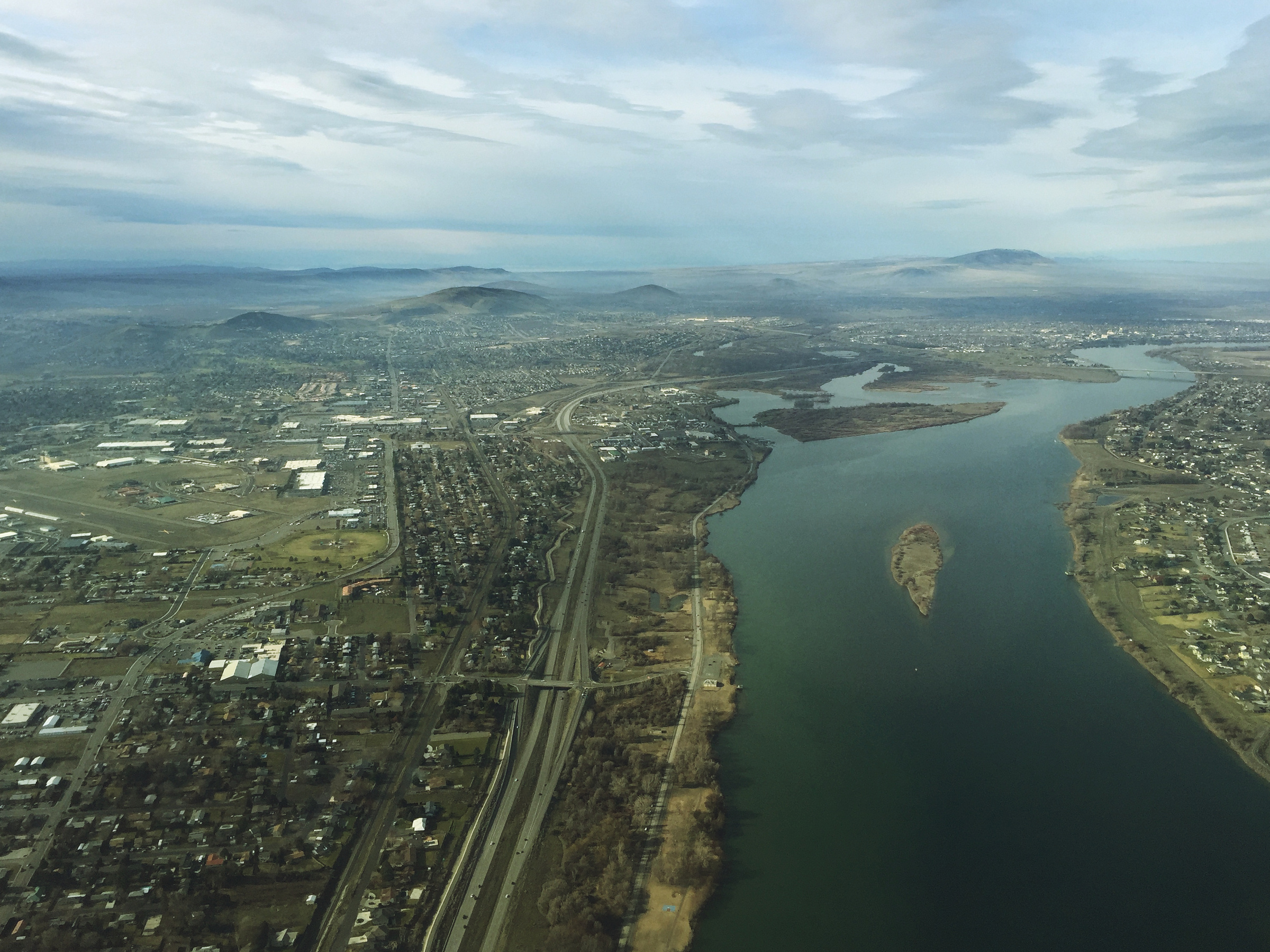
Kennewick sits on the south side of the Columbia River as one of the three Tri-Cities, in the driest corner of Washington. Very little of anything falls here in November, and the snow that does arrive is usually a thin cover that is gone within a day. Despite being far east of the Cascades, it is one of the least snowy places in this whole table because there is simply no moisture left by the time storms arrive. | 0.4source | 0.3source | 50.9source | 35.2source | 0.86source | 560source | Eastern Washingtonsource |
Walla Walla lies in the Walla Walla Valley of southeastern Washington, with the rolling Palouse hills to the north and the Blue Mountains to the east, and is best known today as a wine region. It is one of the mildest places east of the Cascades, and November snow there is both rare and short-lived. The Blue Mountains just east of town are a different climate entirely, but the valley floor itself usually stays green through November. | 0.3source | 0.5source | 49.2source | 35.6source | 2.25source | 965source | Eastern Washingtonsource |
Bellingham has a mild, maritime Puget Sound climate, but it sits only 21 miles from the Canadian border, close enough that cold outflow air from British Columbia occasionally spills over it. That makes a November dusting slightly more likely here than anywhere else on the Washington saltwater, though it still normally melts within a day. The foothills of the North Cascades rise just east of the city limits, so real snow is a short drive away even when town is bare. | 0.9source | 0.4source | 51source | 37.9source | 5.2source | 66source | Puget Soundsource |
Seattle sits on an isthmus between Puget Sound and Lake Washington, and that saltwater on both sides is what keeps November wet rather than white. Lowland snow in the city is a mid-winter event when it happens at all, and a November storm cold enough to stick is unusual enough to lead the local news. A November visitor should pack for cold rain, wind and short days, and treat any flakes as a bonus. | 0.2source | 0.2source | 52.1source | 40.9source | 6.31source | 148source | Puget Soundsource |
Aberdeen sits at the head of Grays Harbor on the Washington coast, at essentially sea level, and calls itself the Gateway to the Olympic Peninsula. It takes the full force of Pacific storms in November, but ocean air holds the temperature within a narrow band all winter, so those storms arrive as rain and wind rather than snow. A November here means gales, flood watches and one of the highest monthly rainfall totals in this table, not shovels. | 0.2source | 0.2source | 52.3source | 39.6source | 13.72source | 3source | Olympic Peninsula & Coastsource |
Forks sits on the western Olympic Peninsula between Olympic National Park and the coast, in one of the wettest inhabited spots in the contiguous United States. November is its wettest month by a wide margin, and almost all of that arrives as rain: the town is low and close enough to the ocean that cold air rarely holds. Snow reaches Forks in brief wet bursts that seldom last a day, so this is a storm-watching and rainforest destination in November, not a snow one. | 1source | 0.6source | 50.6source | 37.5source | 18.07source | 305source | Olympic Peninsula & Coastsource |
Washington's capital anchors the south Puget Sound region at the very end of the inlet, where marine air keeps November nights a few degrees above freezing. Measurable November snow is essentially unheard of at this elevation; the month's story here is persistent rain and grey. When Olympia does get snow it is normally a January event, and even then it rarely lasts more than a couple of days. | 0source | 0.1source | 50.6source | 35.8source | 8.21source | 95source | Puget Soundsource |
Port Angeles sits on the northern edge of the Olympic Peninsula along the Strait of Juan de Fuca, in the rain shadow of the Olympic Mountains, which makes it both drier and milder than the coast a few dozen miles west. November snow at sea level here is effectively off the table. Climb into the Olympic Mountains directly behind the town, though, and the picture changes completely, which is why the town is a poor guide to the peninsula as a whole. | 0source | 0source | 49.4source | 36source | 5.11source | 141source | Olympic Peninsula & Coastsource |
Vancouver sits on the north bank of the Columbia River directly across from Portland, in the lowest and mildest corner of Washington, and should not be confused with the larger Vancouver in British Columbia. November snow here is effectively nonexistent. The season's real hazard is the cold east wind funnelling out of the Columbia River Gorge, which can turn a cold rain into a silver thaw of freezing rain on trees and power lines. | 0source | 0source | 53source | 39.4source | 5.51source | 180source | Southwest Washingtonsource |