Parks Near Madison, WI
22 parks in and around Madison, WI compared on size, lake, drive time and features, from James Madison Park to Devil's Lake State Park. Read our take
At a glance
| Option | Address | Park Type | Size | Water | Highlights | Drive Time |
|---|---|---|---|---|---|---|
| 1602 Vilas Park Dr, Madison, WI 53715source | City parksource | 45.67source | Lake Wingrasource | Beach, Fishing, Ice skatingsource | 14 | |
| 614 E Gorham St, Madison, WI 53703source | City parksource | 12.63source | Lake Mendotasource | Playgroundsource | 5 | |
| 1414 E Johnson St, Madison, WI 53703source | City parksource | 38.12source | Lake Mendotasource | Fishing, Beachsource | 8 | |
| 1156 Olin-Turville Ct, Madison, WI 53713source | City parksource | 47.12source | Lake Mononasource | Playground, Beachsource | 11 | |
| 2930 N Sherman Ave, Madison, WI 53704source | City parksource | 213.49source | Lake Mendotasource | Playground, Dog park, Beachsource | 18 | |
| 1250 McKenna Blvd, Madison, WI 53719source | City parksource | 250.82source | Picnic shelters, Splash park, Disc golfsource | 23 | ||
| 829 W Washington Ave, Madison, WI 53715source | City parksource | 25.81source | Lake Mononasource | Playground, Picnic shelterssource | 9 | |
| 3902 Regent St, Madison, WI 53705source | City parksource | 22.63source | Hiking trailssource | 19 | ||
| 3527 Atwood Ave, Madison, WI 53704source | City parksource | 90.01source | Lake Mononasource | Beachsource | 14 | |
| 6098 N Sherman Ave, Madison, WI 53704source | City conservation parksource | 946.58source | Marsh or riversource | Hiking trails, Prairie, Boardwalksource | 28 | |
| 6021 Old Sauk Rd, Madison, WI 53705source | City conservation parksource | 96.79source | Creek or pondsource | Prairiesource | 22 | |
| 1207 Seminole Hwy, Madison, WI 53711source | UW-Madison preservesource | 1,200source | Lake Wingrasource | Effigy mounds, Hiking trailssource | 17 | |
| 2003 University Bay Dr, Madison, WI 53705source | UW-Madison preservesource | 300source | Lake Mendotasource | Hiking trailssource | 17 | |
| 4864 Pheasant Branch Rd, Middleton, WI 53562source | Multi-agency conservancysource | 682source | Creek or pondsource | Hiking trails, Prairiesource | 29 | |
| 6200 US Hwy 51, DeForest, WI 53532source | County parksource | 418source | Marsh or riversource | Hiking trails, Cross-country skiing, Disc golf, Campingsource | 24 | |
| 8183 State Highway 19, Cross Plains, WI 53528source | County parksource | 791source | Other lakesource | Hiking trails, Cross-country skiingsource | 36 | |
| 3113 Lake Farm Rd, Madison, WI 53711source | County parksource | 345source | Camping, Picnic shelters, Fishing, Playground, Boat launchsource | 16 | ||
| 5140 County Highway M, Waunakee, WI 53597source | State parksource | 422source | Lake Mendotasource | Beach, Boat launch, Playgroundsource | 26 | |
| 2405 Door Creek Rd, Stoughton, WI 53589source | State parksource | 343source | Other lakesource | Beach, Picnic shelters, Boat launch, Campingsource | 37 | |
| 4350 Mounds Park Rd, Blue Mounds, WI 53517source | State parksource | 1,153source | Swimming pool, Hiking trails, Cross-country skiingsource | 41 | ||
| S5975 Park Rd, Baraboo, WI 53913source | State parksource | 9,217source | Other lakesource | Hiking trails, Beachsource | 71 | |
| 4175 Hwy 23 N, Dodgeville, WI 53533source | State parksource | 5,270source | Other lakesource | Camping, Hiking trails, Fishing, Cross-country skiingsource |






Our take
If you want a park with a lake beach close to downtown, James Madison Park is a 5-minute drive and sits on Lake Mendota, and Tenney Park (8 minutes) and Brittingham Park (9 minutes) are nearly as close. If you want real room to walk, the UW-Madison Arboretum covers 1,200 acres only 17 minutes out, and Cherokee Marsh Conservation Park (North Unit) adds 946.58 acres of marsh and prairie at 28 minutes.
The real split in this table is between Madison's city parks and the larger natural areas around them. The nine city parks, from James Madison Park at 12.63 acres to Elver Park at 250.82, are all within 23 minutes and are built around beaches, playgrounds and winter skating. The state and county parks are bigger and farther: Lake Kegonsa State Park at 37 minutes, Blue Mound State Park at 41, Governor Dodge State Park with 5,270 acres of hills and two lakes outside Dodgeville, and Devil's Lake State Park, 9,217 acres and 71 minutes away. They trade the short drive for bluffs, campgrounds and long trails.
Our picks
- Closest to downtown: James Madison Park. A 5-minute drive, with a beach on Lake Mendota and a playground on 12.63 acres.
- Biggest walk inside the city: UW-Madison Arboretum. 1,200 acres on Lake Wingra with effigy mounds and more than 17 miles of trails, 17 minutes away.
- Best full-day trip: Devil's Lake State Park. 9,217 acres, nearly 30 miles of hiking trails and swimming beaches, at a 71-minute drive.
- Camping closest to town: William G. Lunney Lake Farm County Park. A county campground with fishing piers and a boat launch on 345 acres, 16 minutes away.
- Bringing the dog: Warner Park. An off-leash dog park beside a Lake Mendota beach and an accessible playground, 18 minutes out.
Swimming in Madison parks: lake beach, pool or splash park
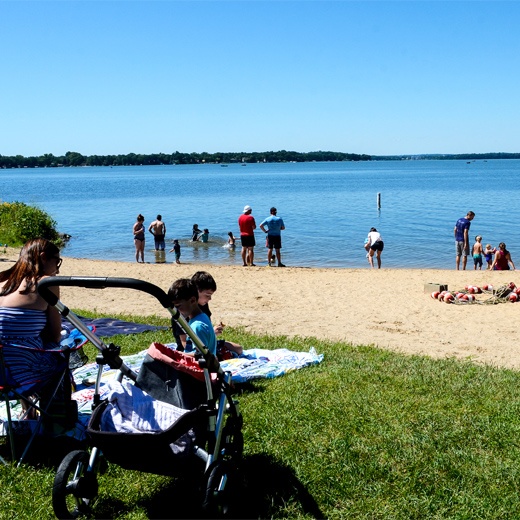
Most of the swimming here is in the lakes. Vilas Park (Lake Wingra), Tenney, James Madison and Warner (Lake Mendota), Brittingham (Monona Bay), and Olin and Olbrich (Lake Monona) all have city beaches, and Governor Nelson, Lake Kegonsa, Governor Dodge and Devil's Lake State Parks have their own. These city beaches have no lifeguards on duty, and Public Health Madison and Dane County checks the water from Memorial Day to Labor Day, so look up the beach's water quality before a swim.
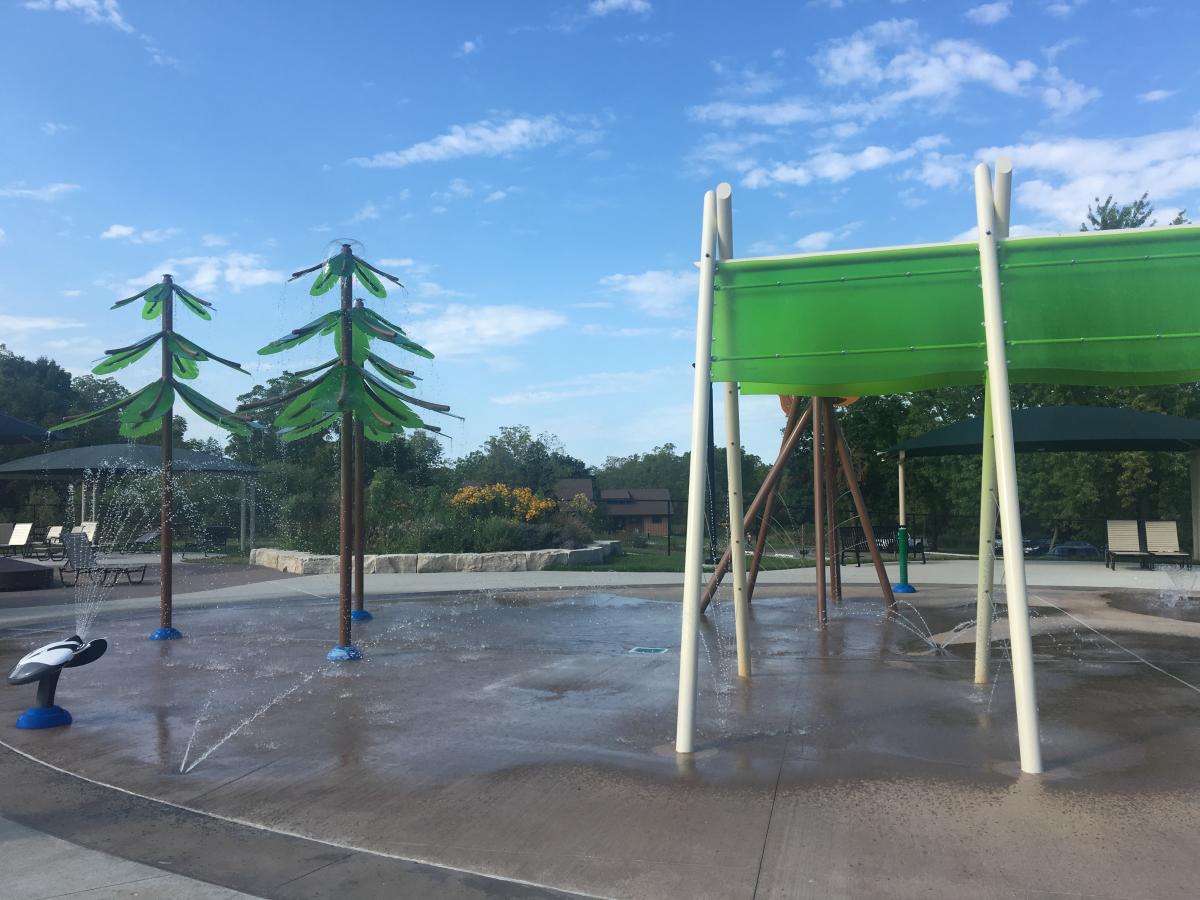
If you would rather skip the lake, Elver Park has one of the city's four free splash parks, open daily from Memorial Day weekend through Labor Day weekend, and Blue Mound State Park, 41 minutes west, has a swimming pool.
Where dogs are and are not allowed
Dogs are the rule that most often catches visitors out. The UW-Madison Arboretum bans dogs and other pets entirely, and every Madison conservation park, including Cherokee Marsh and Owen, prohibits dogs at all times. Warner Park and Brittingham Park have off-leash dog parks that need a city dog permit, and Indian Lake County Park has a 38-acre unfenced off-leash area by its west boat launch.
What a state park visit costs
The five state parks in this table, Governor Nelson, Lake Kegonsa, Blue Mound, Governor Dodge and Devil's Lake, all require a Wisconsin state park vehicle admission sticker and are open 6 a.m. to 11 p.m. The UW-Madison Arboretum is free to visit. Picnic Point's Lot 130 is paid on weekdays, and while the Frautschi Center is under construction it is down to 7 regular parking stalls, so plan another way in on a busy day.
The options in detail
Vilas Park
One of Madison's oldest parks, Vilas curves along Lake Wingra next door to the Henry Vilas Zoo and the UW Arboretum, which makes it an easy half-day with children. Summer brings a sandy beach with swim ropes but no lifeguards, three playgrounds including the 1962 "Old Woman in a Shoe" slide, and fishing from accessible piers. In winter the lagoon becomes a skating rink with a warming shelter that rents skates. Parking in the park is capped at three hours.
James Madison Park
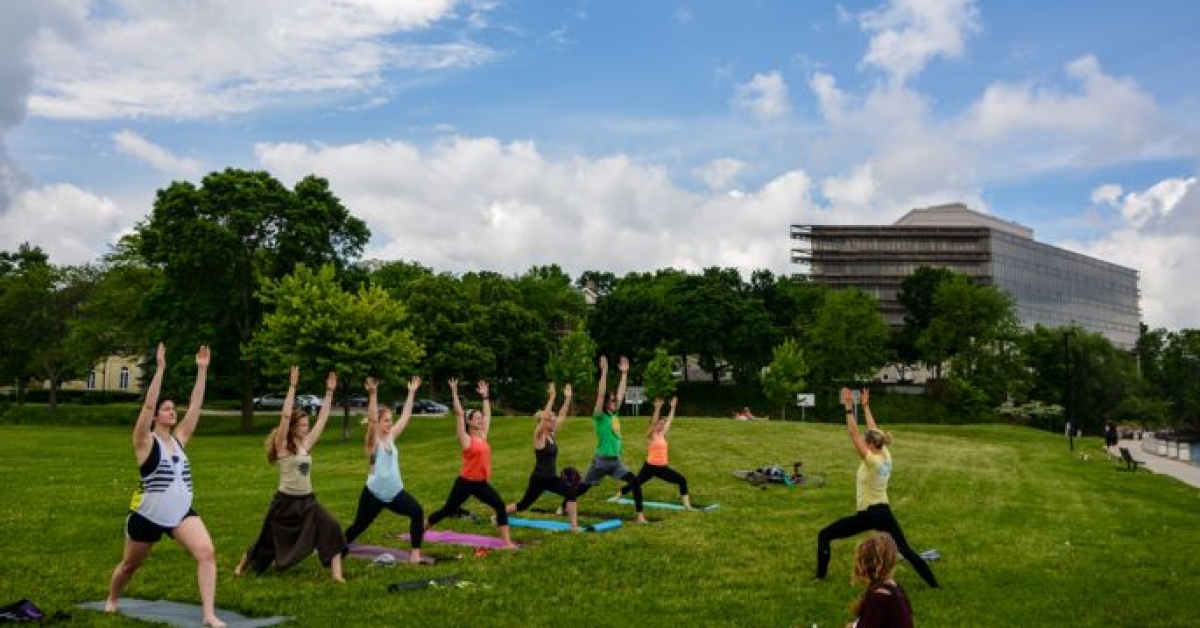
The downtown option: twelve acres of lawn on the Lake Mendota shore in downtown Madison, busy with students, pick-up soccer and Frisbee on nice days. There is a small beach (no swim ropes and no lifeguards), basketball and sand volleyball courts, a playground, and canoe and kayak storage. The historic Gates of Heaven building sits in the park and is rented for weddings. It is a place to stop for an hour rather than spend a day, and alcohol is prohibited without a permit.
Tenney Park
A historic park on the Lake Mendota shore with a lagoon, lawns under big trees and winding paths for walking, biking or rollerblading. Summer means a beach with its own shelter and restrooms, fishing, a boat launch and sand volleyball. In winter the frozen lagoon is a classic Madison skating spot, with a warming shelter for snacks. Alcohol is prohibited here, and parking near the beach goes quickly on hot weekends.
Olin Park
Olin has what Madison Parks calls some of the best views of downtown: the Capitol skyline across Lake Monona. The park mixes a beach, playground, soccer and baseball fields and a historic 1884 pavilion, and it sits beside Turville Point Conservation Park for a wilder woodland walk. Bike trails and a boat launch make it easy to reach without a car. It is also the site of the Holiday Fantasy in Lights display.
Warner Park
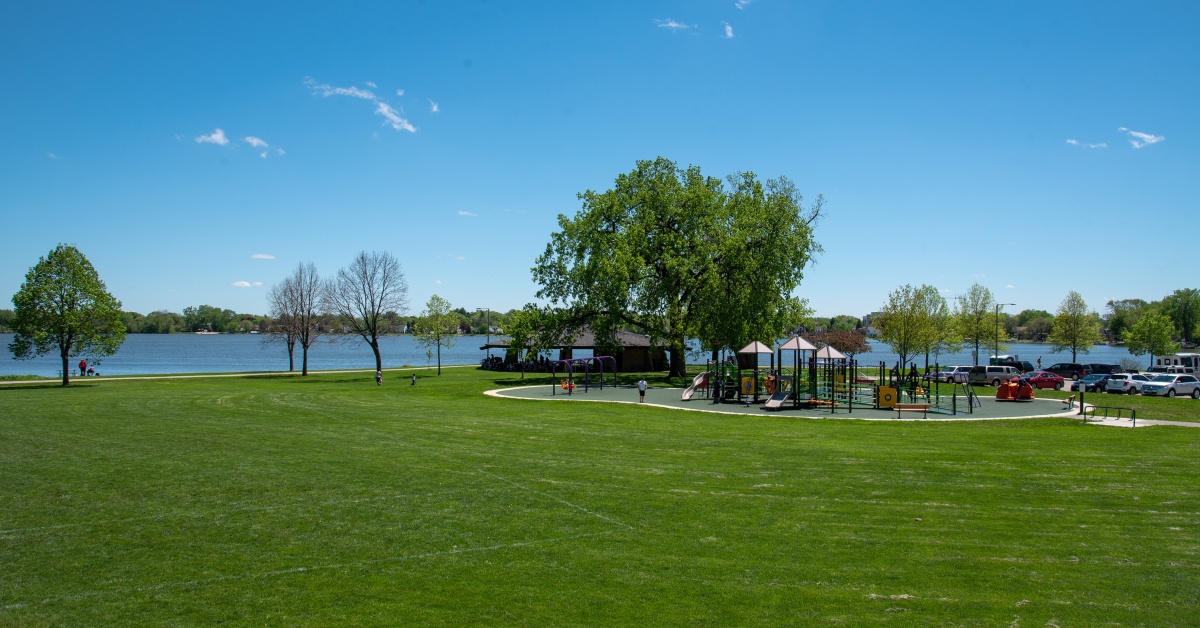
A big north-side community park on Lake Mendota, and the home field of the Madison Mallards summer baseball team. It packs in an accessible playground, an off-leash dog park with a separate small-dog area, a beach, a busy boat launch with year-round restrooms, a skate park and a sledding hill. The Warner Park Community Recreation Center runs classes and events for all ages. Expect crowds on festival and Mallards nights; the dog park needs a city dog permit.
Elver Park
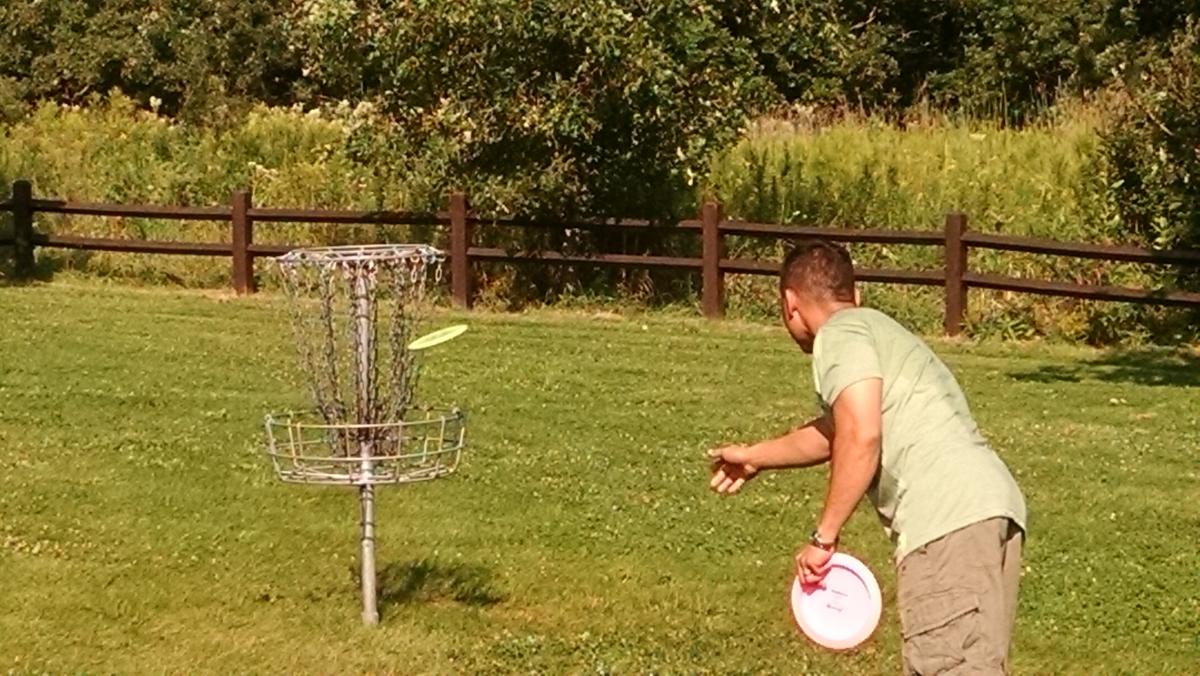
The largest community park in the Madison system, spread over 250 acres in the southwest corner of the city. Summer visitors come for the free splash park (open daily from Memorial Day weekend to Labor Day), an accessible playground and the disc golf course. It is just as busy in winter, with a sledding hill, ice skating and hockey rinks, and cross-country ski trails. There is no lake here, so it suits families more than paddlers.
Brittingham Park
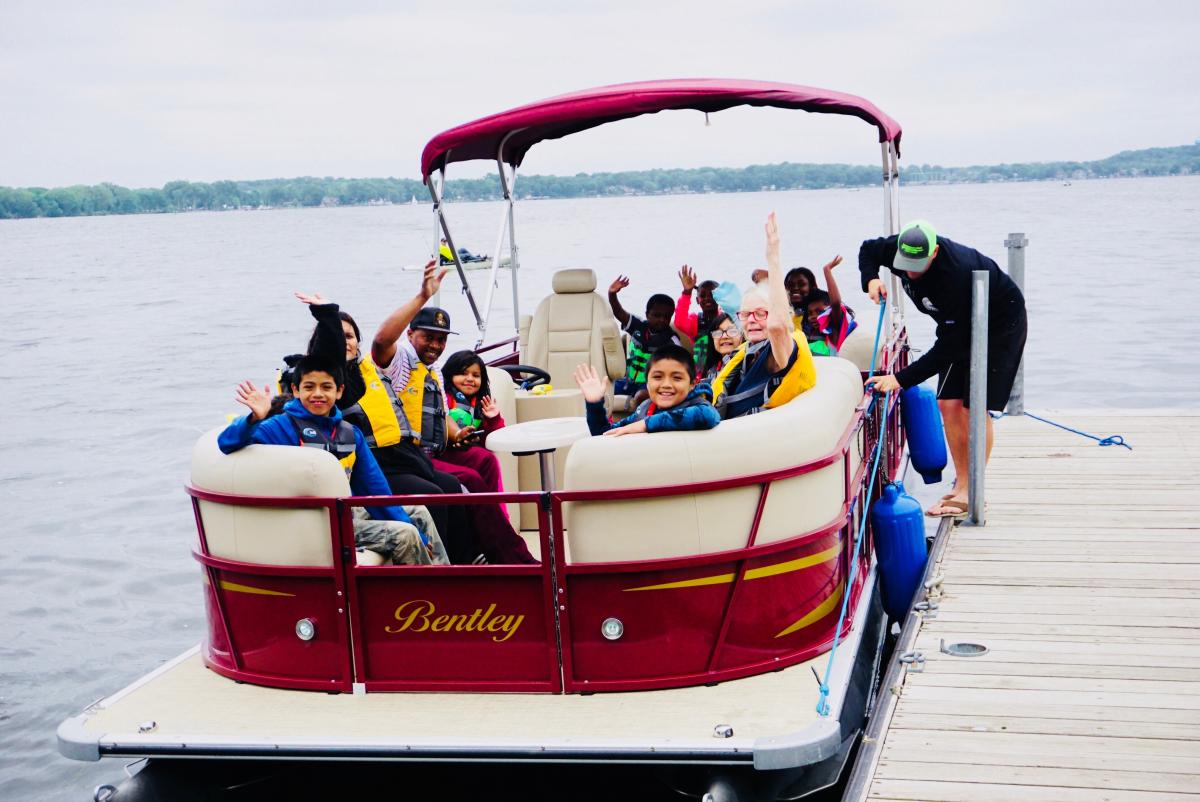
A narrow park along Monona Bay, a short walk from downtown, built for getting on the water. Madison Boats rents more than 200 watercraft here, from kayaks to giant paddle boards and fishing boats, and runs a small cafe with ice cream and burgers. On land there is an accessible playground, a shelter, tennis and pickleball courts, and an off-leash dog park on Broom Street. It is busy and urban rather than quiet.
Hoyt Park
A wooded west-side park best known for its twelve restored historic fireplaces scattered among the trees, along with rock formations and restored prairie. A network of paved and unpaved trails runs through forest and restored prairie, and two shelters make it a favorite for picnics and reunions. There is also a basketball court, a softball field and play equipment. It is small, but it feels far more secluded than its size suggests.
Olbrich Park
One of Madison's largest lakefront parks, on the east side along Lake Monona and next to Olbrich Botanical Gardens. The long shoreline lawn has a beach with swim ropes, boat launches at the mouth of Starkweather Creek, softball fields, tennis and pickleball, and winter ice rinks. Seasonally, the Biergarten at Olbrich Park pours beer by the water and Rutabaga Paddlesports rents watercraft. Pair it with the gardens for a full east-side afternoon.
Cherokee Marsh Conservation Park (North Unit)
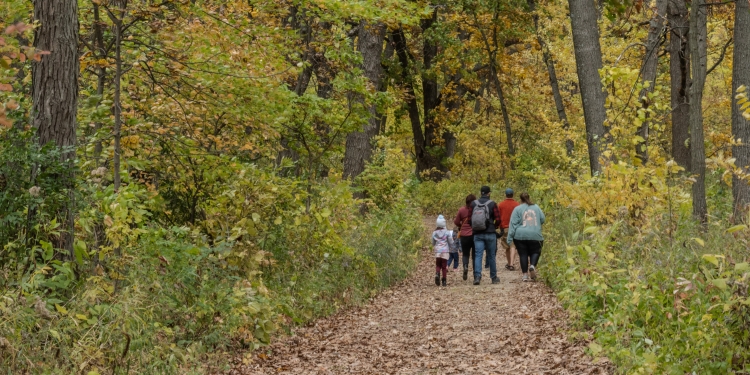
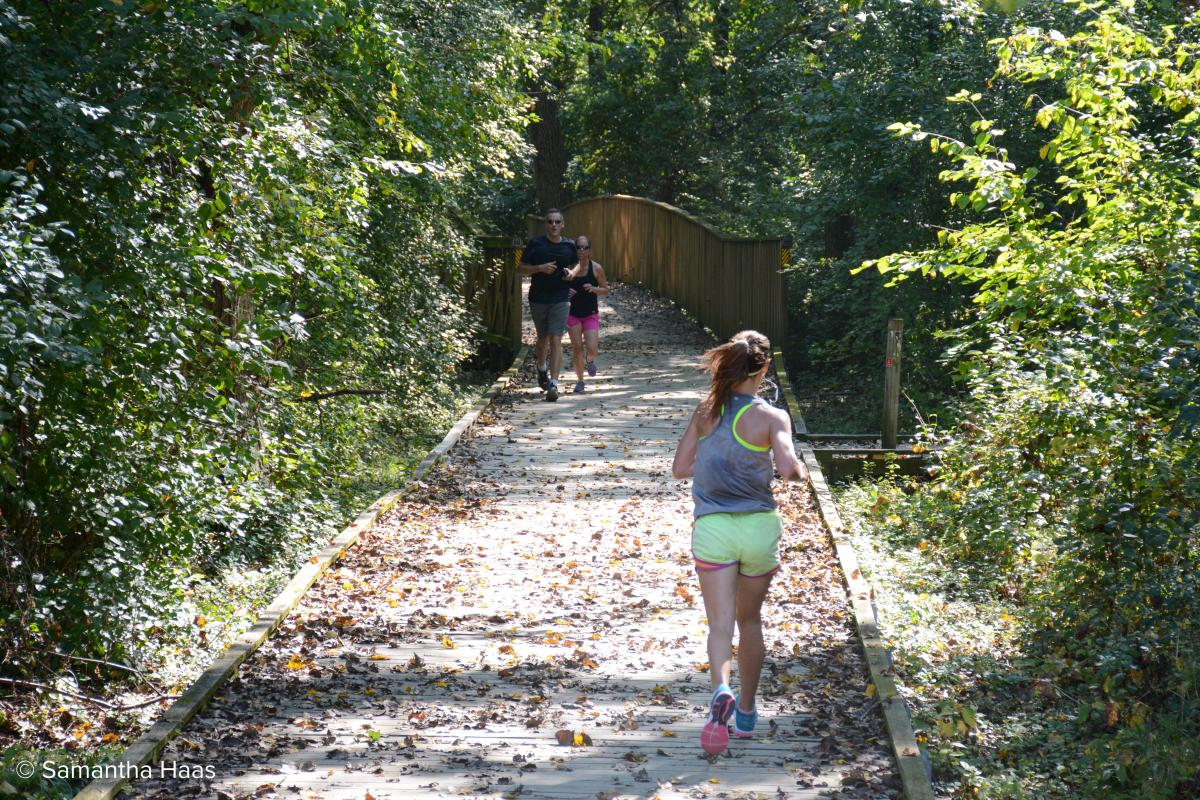
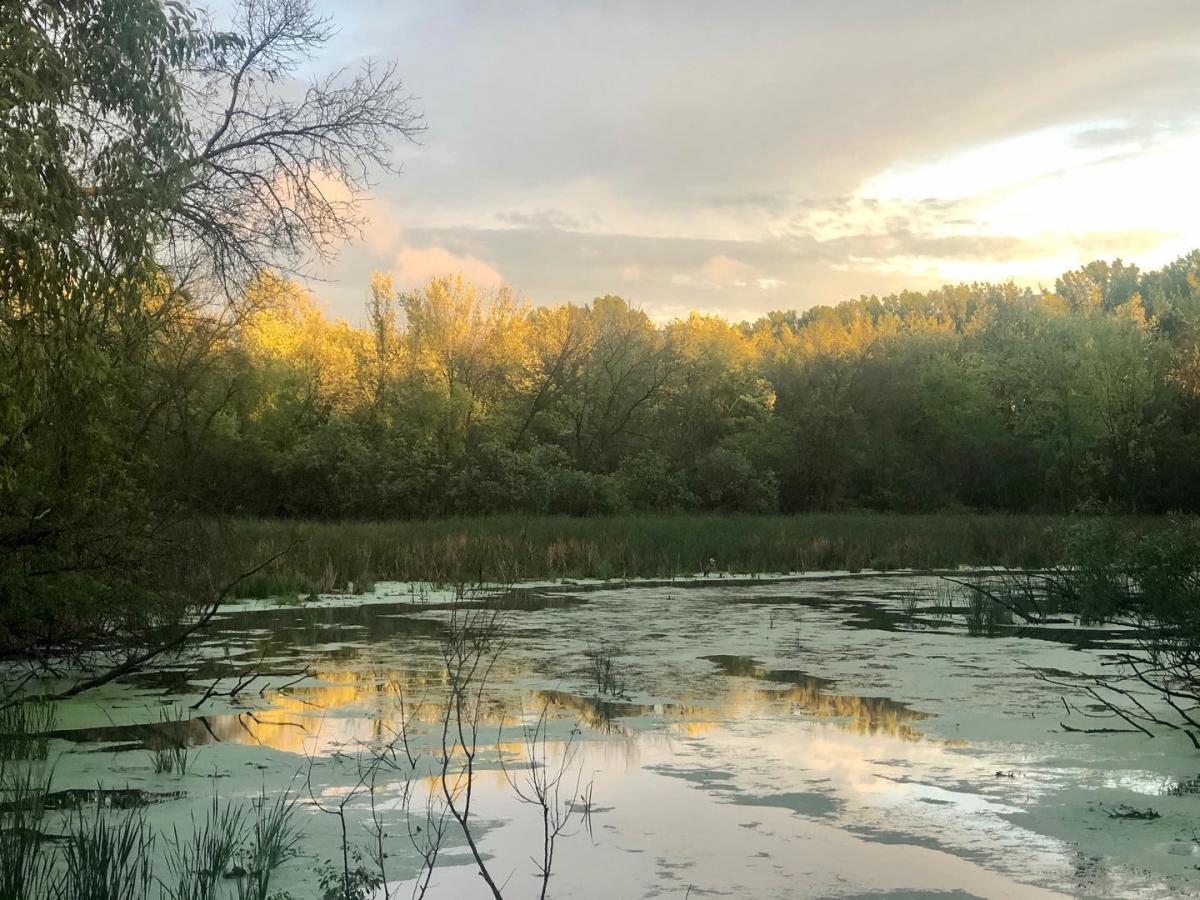
The biggest wild space inside the city: nearly 950 acres of marsh, restored prairie and oak savanna at Madison's north edge, with 4.1 miles of trail. Boardwalks and observation decks look out over the upper Yahara River and sedge meadow, and sandhill cranes nest in the wetland, with bald eagles and ospreys overhead. Restrooms are open year-round and volunteers lead a free nature walk every month. Dogs are not allowed in any Madison conservation park.
Owen Conservation Park
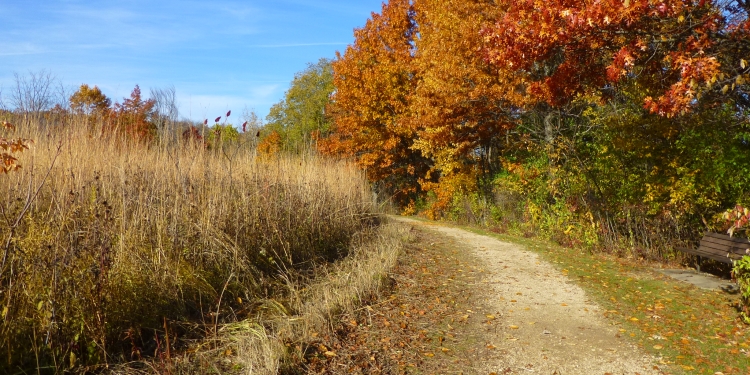
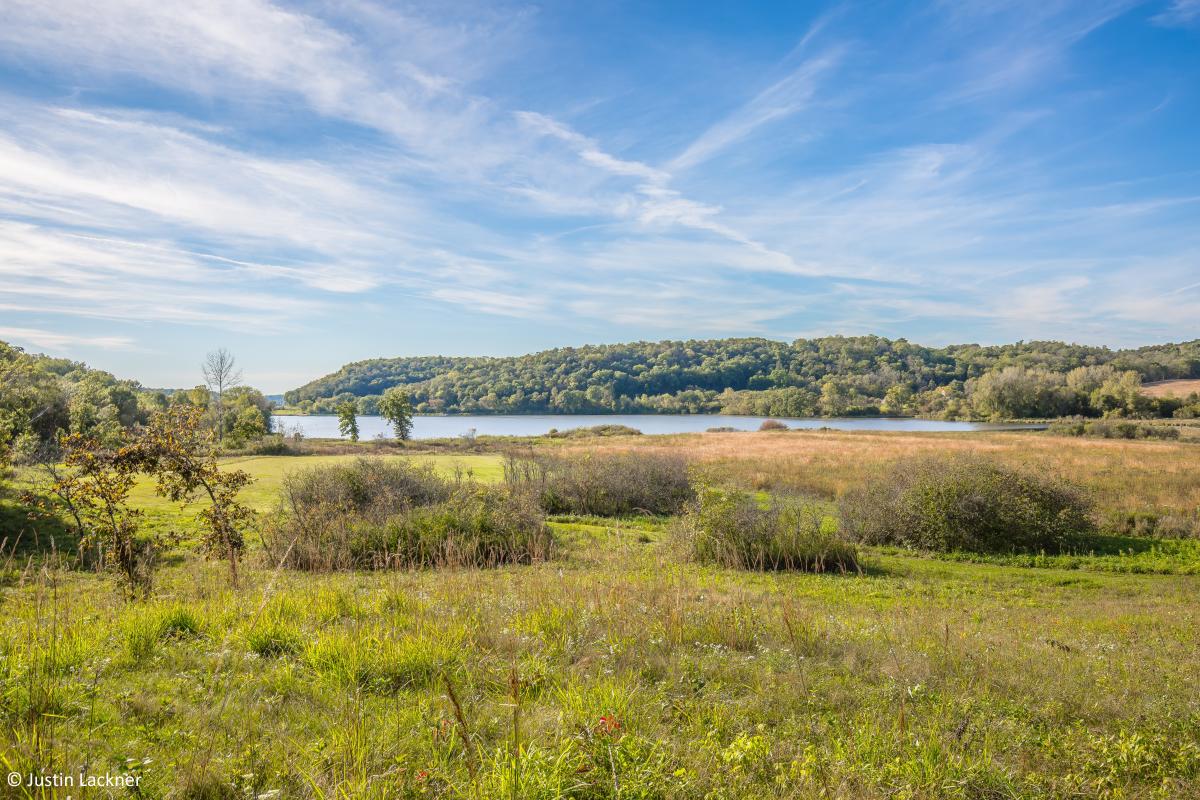
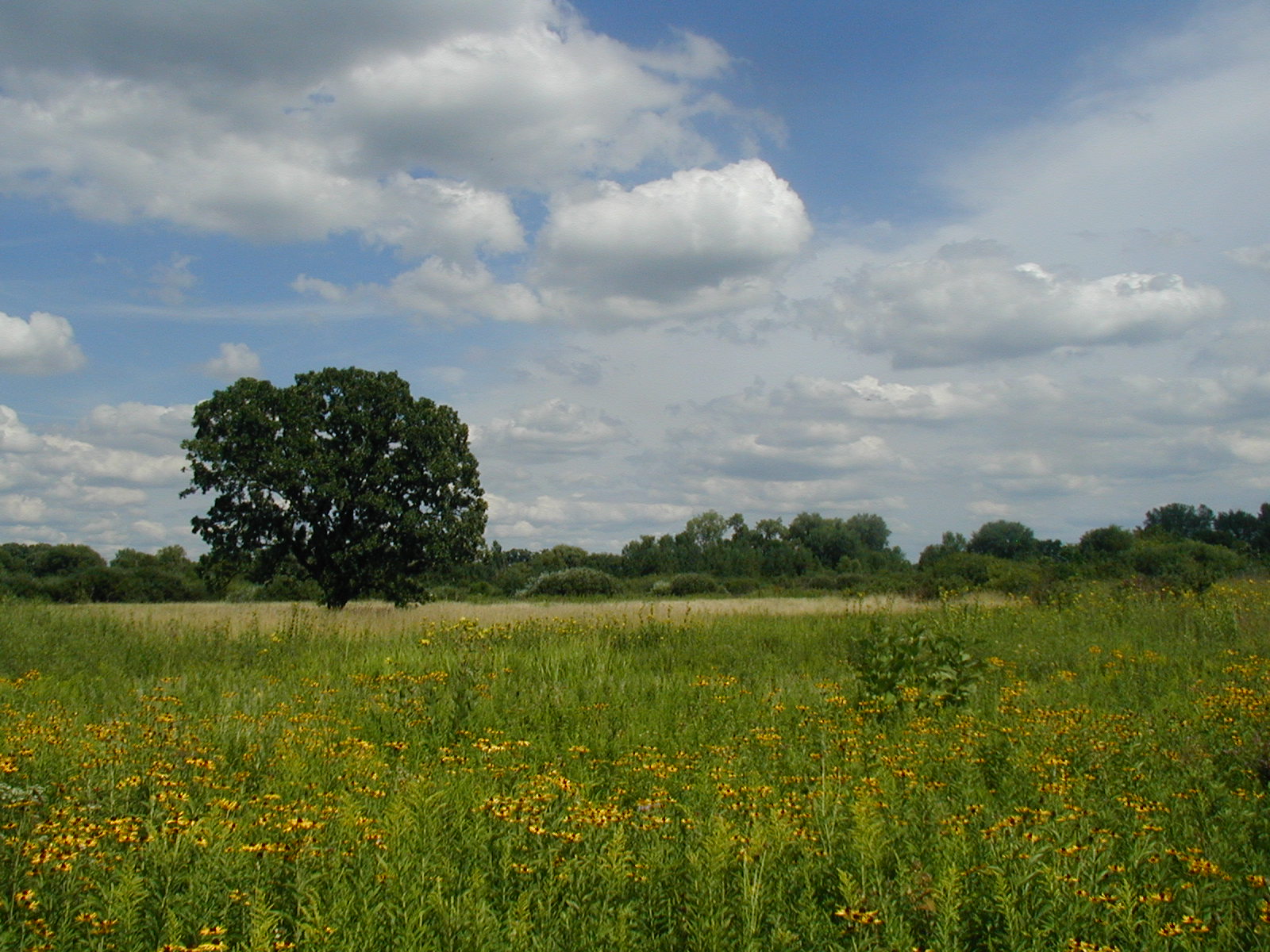
A hilltop on the far west side that was once the farm of UW professor Edward T. Owen, now grown back into open prairie and oak savanna. It is the sunniest, most wide-open walk in the city's conservation parks, with coneflowers and goldenrod through late summer and three small wildlife ponds in the southwest corner. In winter nearly 2 miles of free ski trails are groomed, and the restrooms stay open year-round. There is little shade, and dogs are not allowed.
UW-Madison Arboretum
The biggest natural area on this list inside Madison: 1,200 acres of restored prairie, savanna, woods and wetland around Lake Wingra, with more than 17 miles of trails, horticultural gardens and Native American effigy mounds. It is free, and the Visitor Center has restrooms and maps. It is a research and teaching landscape, so the rules are strict: no dogs or other pets, no picnics, no fishing and no foraging.
Lakeshore Nature Preserve (Picnic Point)
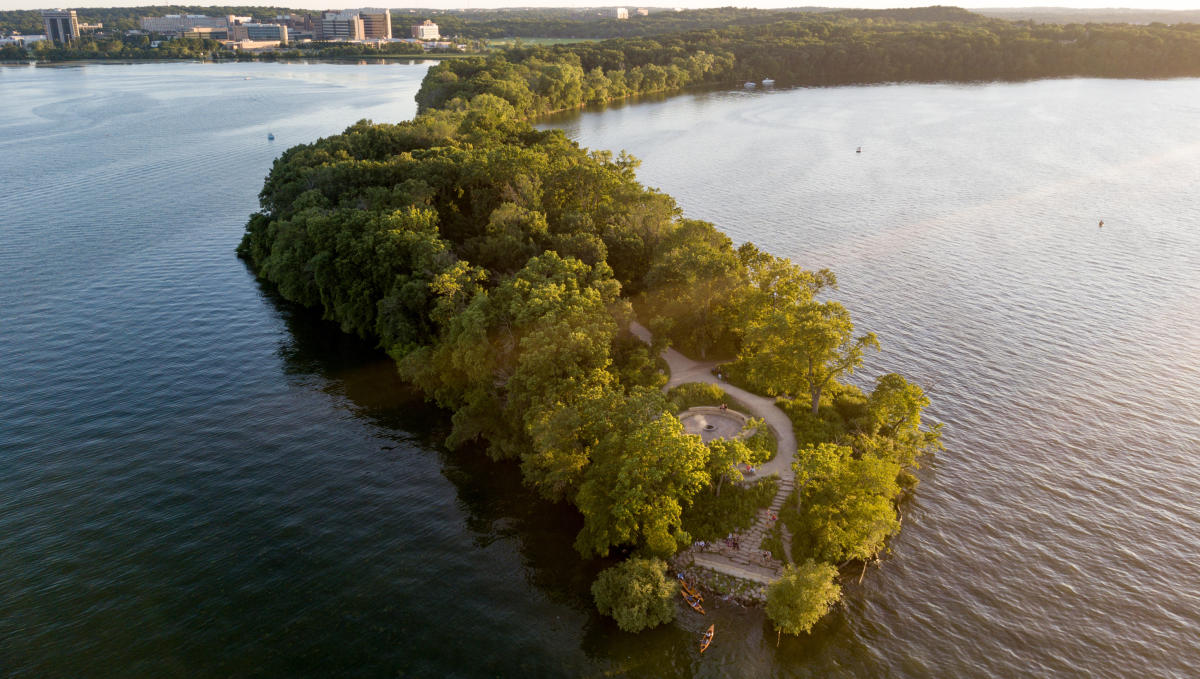
UW-Madison's 300-acre shoreline preserve, and home of Picnic Point, the mile-long wooded peninsula that juts into Lake Mendota and is one of the city's signature walks. Twelve miles of walking trails wind through Eagle Heights Woods and along the lake, and the main path to the tip of the Point is accessible. Parking is the catch for now: while the Frautschi Center is under construction, Lot 130 at the Picnic Point entrance is down to 7 regular stalls and 4 accessible ones, paid on weekdays. Bikes are not allowed on interior trails.
Pheasant Branch Conservancy
A 682-acre conservancy on the north edge of Middleton, a few minutes past Madison's west side, made up of marsh, springs, prairie and wooded hills. The signature 3.3-mile loop climbs Pheasant Branch Hill for a view toward the Capitol and Lake Mendota, then drops past springs where cold groundwater bubbles up. It is a favorite for birdwatching, hiking and biking year-round. Ownership is shared by Dane County, the DNR and the City of Middleton.
Token Creek County Park
A 418-acre Dane County park just north of Madison off Highway 51, set up for groups: five shelters, two playgrounds and plenty of open lawn for big picnics. It is best known for its 27-hole disc golf course, a 37-site campground and a 33-acre off-leash dog park plus a separate small-dog area. An elevated boardwalk crosses a sedge meadow marsh, and winter brings groomed ski trails. The restrooms are flush toilets, and the campground has showers.
Indian Lake County Park
One of Dane County's largest parks, wrapped around a shallow glacial kettle lake west of Madison near Cross Plains. The well-known hike climbs a winding trail to a tiny stone chapel built in 1857, with a view over the lake and valley, and a stretch of the Ice Age National Scenic Trail passes through. There is a sledding hill with a log-cabin warming house in winter and a 38-acre unfenced off-leash dog area by the west boat launch. Only electric motors are allowed on the lake.
William G. Lunney Lake Farm County Park
A Dane County park on Madison's southeast edge, part of the Capital Springs Recreation Area, with a 47-site campground that is about as close to the city as camping gets. Two accessible fishing piers, a barrier-free boat launch, an observation tower and a wildlife pond give it a lot to do for its size. The paved Capital City State Trail and Lower Yahara River Trail both run through, so it is easy to reach by bike. A solar array supplies most of the park's electricity.
Governor Nelson State Park
The closest state park to the city, on the north shore of Lake Mendota with the Capitol visible across the water. It is day-use only, with a sand beach, a boat launch, picnic areas, playground equipment and more than 8 miles of trail through restored prairie. Native American effigy mounds can be seen along the Woodland Trail. A Wisconsin state park vehicle admission sticker is required, and the park is open from 6 a.m. to 11 p.m.
Lake Kegonsa State Park
A state park on the northeast shore of Lake Kegonsa, southeast of Madison near Stoughton. It is the area's camping-and-swimming park, with a campground, a swimming beach, picnic shelters and a boat launch all within a mile of each other, and the lake is known for fishing. Trails wind through oak woods, prairie and wetland, including a nature trail past effigy mounds. A state park vehicle admission sticker is required.
Blue Mound State Park
Set on the highest point in southern Wisconsin, west of Madison near the village of Blue Mounds, with a pair of observation towers for the view. There is no lake here, but the park has something rare for a state park: a swimming pool open in summer. More than 20 miles of trails serve hikers, mountain bikers and cross-country skiers, and the Military Ridge State Trail connects for longer rides. A family campground and a state park vehicle sticker round out the logistics.
Devil's Lake State Park
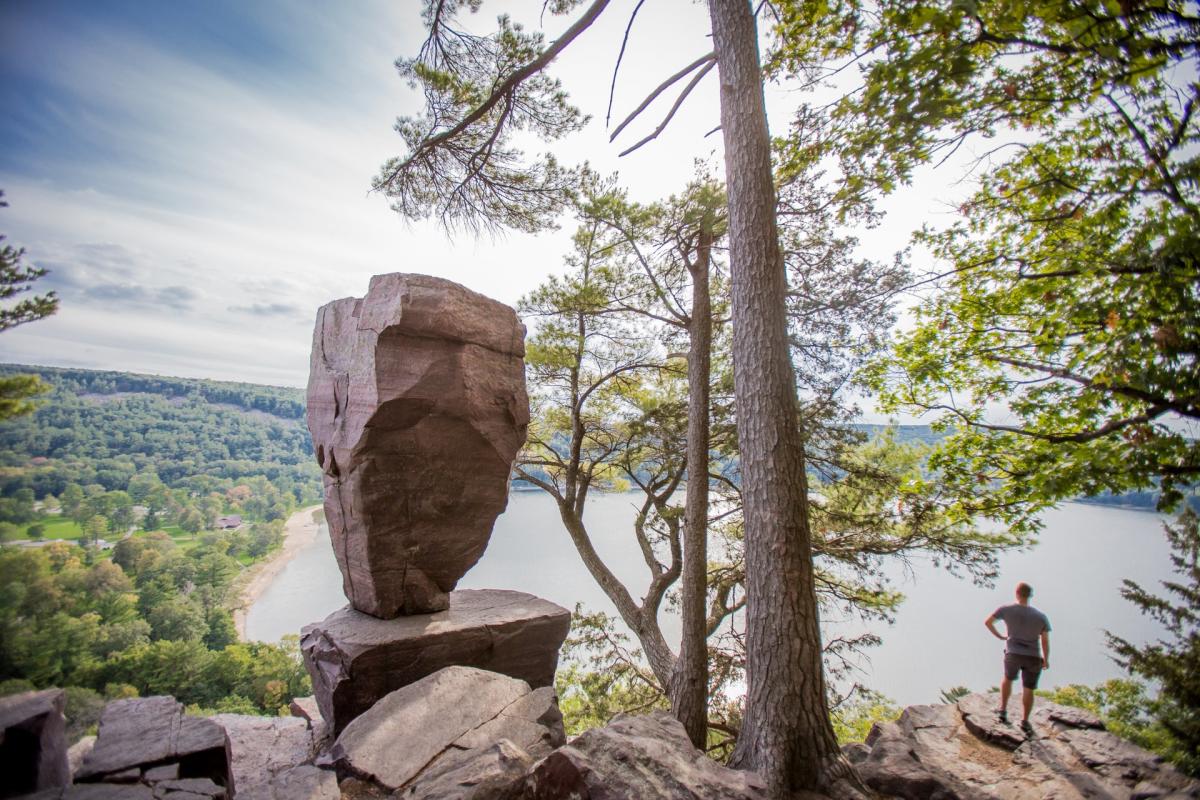
Wisconsin's largest and most visited state park, north of Madison near Baraboo and the farthest drive on this list. Quartzite bluffs rise 500 feet above a 360-acre lake, with nearly 30 miles of trail and a section of the Ice Age National Scenic Trail. Below, there are sandy swimming beaches and lakeshore picnic areas. A vehicle admission sticker is required.
Governor Dodge State Park
One of Wisconsin's largest state parks, set in the Driftless Area just north of Dodgeville, with steep hills, sandstone bluffs and deep valleys instead of the flat lakeshore of the Madison parks. Its two lakes, Cox Hollow and Twin Valley, each have a boat launch and a swimming area, motors are electric only, and a concession stand near Cox Hollow Beach rents boats, canoes and paddle boats. The park also has a waterfall, Stephen's Falls, and trails for hiking, mountain biking, horseback riding and cross-country skiing. A state park vehicle admission sticker is required.
How we researched this
We read each park's own page for its size, address and features: City of Madison Parks for the city and conservation parks, Dane County Parks for the county parks, the Wisconsin DNR for the state parks, and the UW-Madison Arboretum and Lakeshore Nature Preserve sites, filling gaps from Destination Madison listings and Wikipedia. Each value carries the sentence it came from. Highlights lists only the features a park's own description names, so a park can have more than its tags show. A blank Water cell means the park is not on a lake, river or pond the sources name. Drive times are calculated from the center of Madison without traffic.
The set covers the parks people most often look for around Madison, not every neighborhood park in the city. Smaller neighborhood parks were left out, as were Olbrich Botanical Gardens and the Henry Vilas Zoo, which are attractions rather than parks. Hours, fees, parking and seasonal closures change, so confirm on the park's page before you go.