Free accounting software for solopreneurs
Updated .
| Option | Cost | What's free | Paid plans start at | Where it runs | Invoicing on the free version | Bank connections |
|---|---|---|---|---|---|---|
Wave gives away the parts most solopreneurs actually use: unlimited invoices, estimates, bills and bookkeeping records, with no time limit and no card required. It earns its money on payment processing (2.9% + $0.60 per card transaction) and on the $19 a month Pro plan. The catch for free users is automatic bank imports, which Wave's help centre says are part of the Pro plan, so transactions have to be entered or uploaded by hand. There is a mobile app for invoicing and receipts alongside the browser app. | Free plan on a paid productsource | Unlimited estimates, invoices, bills and bookkeeping recordssource | $19 USD/month (Pro)source | Web and mobile appssource | Unlimited invoicessource | Paid upgrade onlysource |
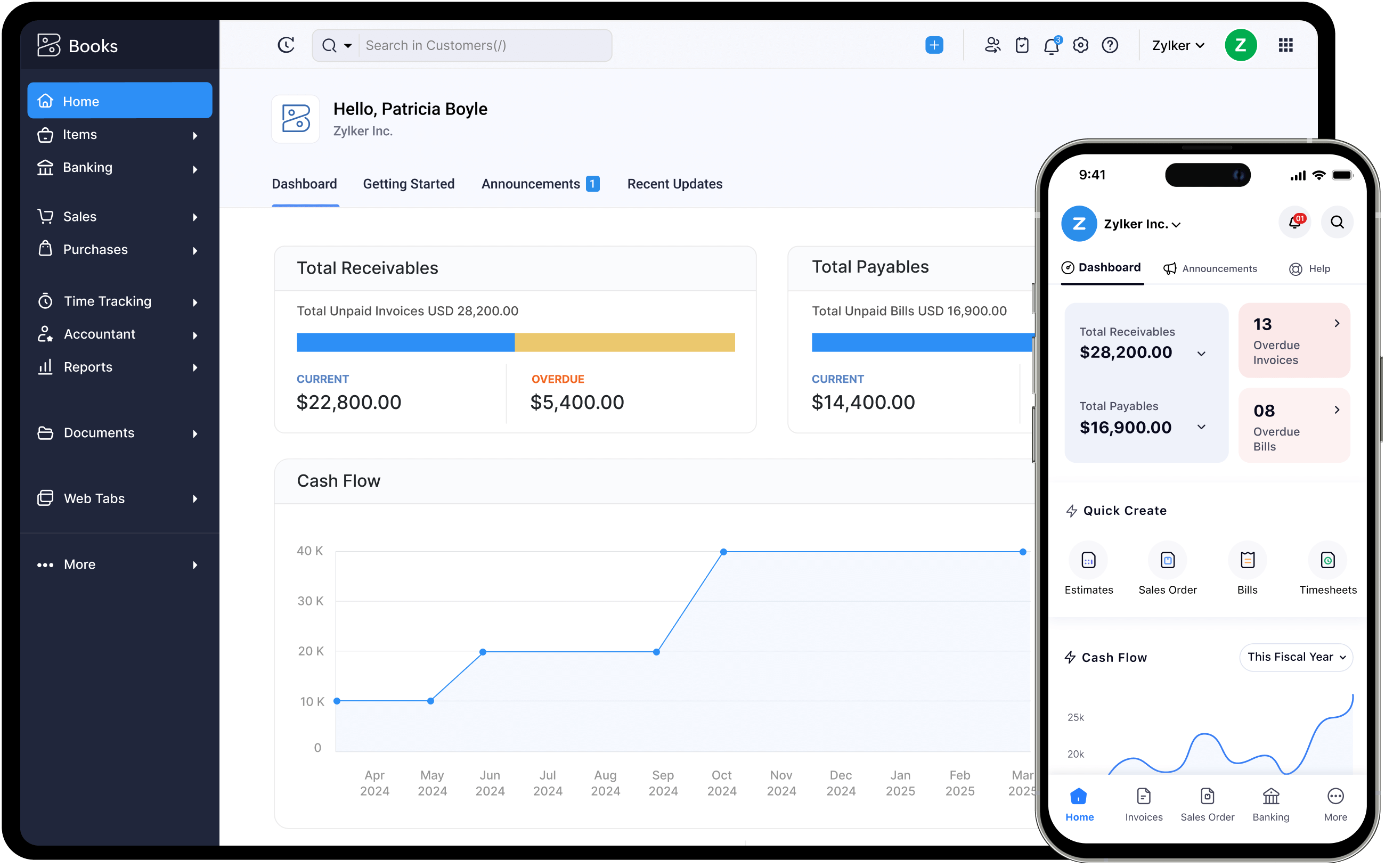
Zoho Books runs a genuinely free tier aimed at exactly this audience: its own pricing page calls it free accounting software for solopreneurs and micro businesses. You get one user plus your accountant, invoices, expenses, bank reconciliation and more than 50 reports, and it stays free as long as your revenue for the year is under $50,000. The limits worth knowing are 1,000 invoices and 1,000 expenses a year, and automatic bank feeds that only start on the paid Standard plan. It is a full cloud product with iOS and Android apps, and it slots into the rest of the Zoho suite if you already use their mail or CRM. | Free plan on a paid productsource | 1 user plus an accountant, while yearly revenue stays under $50Ksource | $20 per month, or $15 billed annually (Standard)source | Web and mobile appssource | Capped invoicessource | Paid upgrade onlysource |
QuickBooks now has a real $0 tier, which is new for the brand most accountants already know how to work with. It covers one user, income and expense tracking, a profit and loss report and one connected bank, which is more free banking than Wave or Zoho Books hand out. The squeeze is invoicing: two invoices a month, and Intuit states that the mobile app and third-party integrations are not available on the free plan, so it is browser only until you pay. Simple Start at $38 a month is the next rung, and there is no accountant access on the free tier. | Free plan on a paid productsource | 1 user, 2 invoices a month, 1 bank connection, P&L reportsource | $38/mo (Simple Start), 50% off for 3 monthssource | Web browser onlysource | Capped invoicessource | Free bank connectionsource |
ZipBooks is the quiet pick for a solopreneur who invoices a lot: the free Starter plan sends unlimited invoices, tracks unlimited customers and vendors, and connects one bank account, which most free plans reserve for paying users. Reporting on the free plan is deliberately basic, and recurring invoices, extra bank connections, time tracking and team members all sit behind the $15 a month Smarter plan. It is browser based with an iOS app, and it takes payments through Square or PayPal rather than its own processor. | Free plan on a paid productsource | Unlimited invoices and customers, basic reports, 1 bank accountsource | $15/month (Smarter)source | Web and mobile appssource | Unlimited invoicessource | Free bank connectionsource |
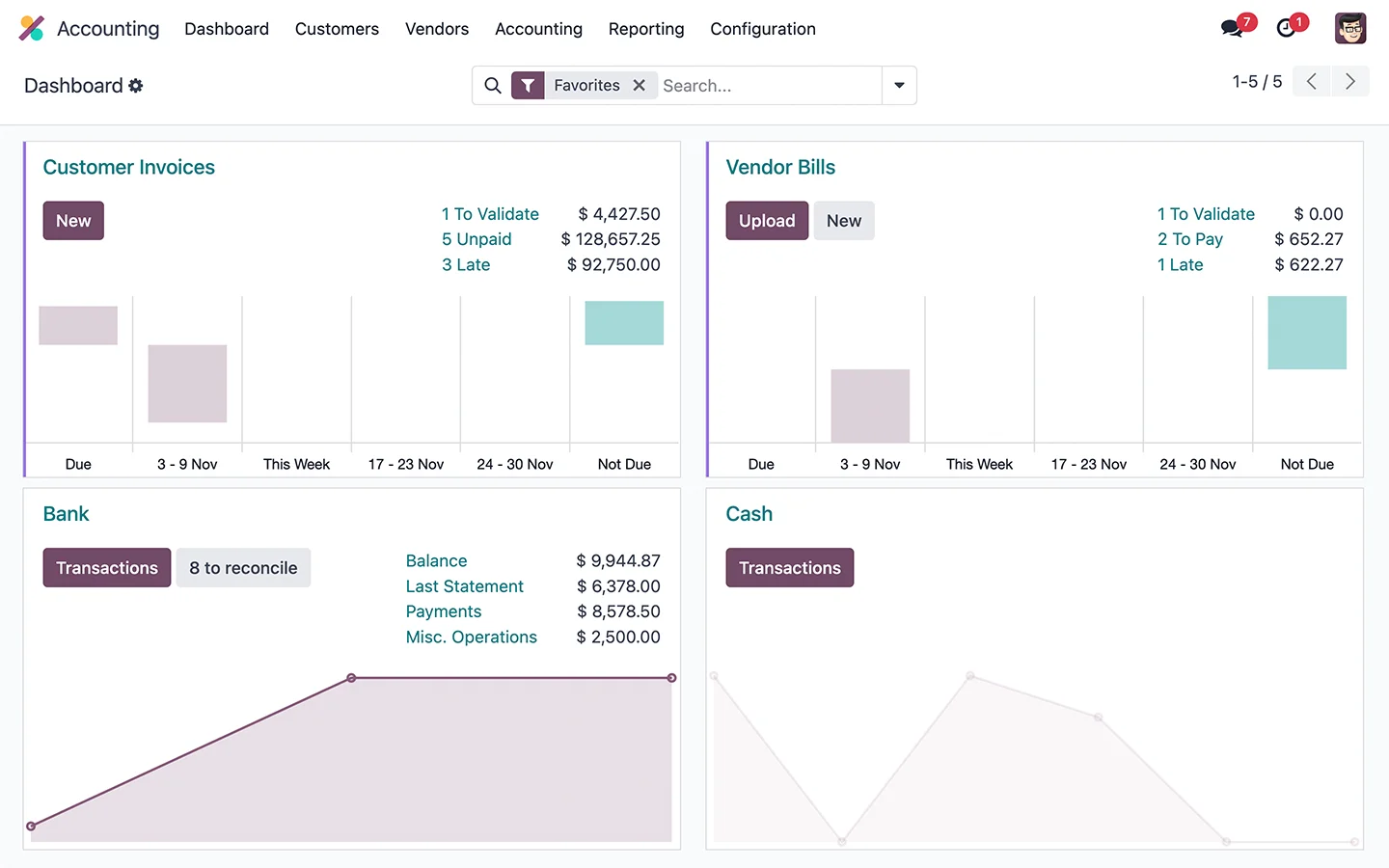
Odoo's One App Free plan lets you run its accounting app for unlimited users at no cost, and the accounting page promises unlimited invoices and bills, free, forever. It is the most capable software in this table by a distance, with the trade-off that accounting is one module of a large business suite, so setup takes longer than a tool built only for freelancers. Automatic bank synchronisation is not part of the free route: Odoo's own documentation says a valid Enterprise subscription is required for it. Add a second app and you move to the Standard plan at $24.90 per user per month. | Free plan on a paid productsource | One app for unlimited users, with unlimited invoices and billssource | $24.90 per user/month billed yearly ($31.10 monthly)source | Web and mobile appssource | Unlimited invoicessource | Paid upgrade onlysource |
Pandle is built for UK sole traders and freelancers, and it says plainly that the free plan will be free forever. Free covers the bookkeeping itself: quotes and invoices, VAT returns, Making Tax Digital submissions, multiple currencies, reports and unlimited customers and suppliers. The line between free and Pro is automation, so bank feeds, receipt uploads, mileage tracking and live chat support need Pandle Pro at £5 a month plus VAT, and their help centre is explicit that you can only connect a bank account on Pro. Outside the UK the VAT and MTD features are wasted on you, which is most of the point of it. | Free plan on a paid productsource | Free forever: invoices, VAT returns, reports, unlimited customerssource | £5 / month plus VAT (Pandle Pro)source | Web and mobile appssource | Includedsource | Paid upgrade onlysource |
Akaunting is open-source accounting you host yourself: the Standard on-premise version is free in both senses, price and source code. Invoicing is unlimited, it runs in a browser once installed, and it is translated into more than 50 languages, which makes it a common pick outside the US. The costs come back as add-ons: the Bank Feeds app starts at $11, and the hosted cloud version is $12 a month for a one-person business. You need somewhere to run it and the patience to do your own updates and backups. | Free and open sourcesource | The self-hosted Standard version, source code includedsource | $12 per month (Standard Cloud)source | Self-hosted serversource | Unlimited invoicessource | Paid upgrade onlysource |
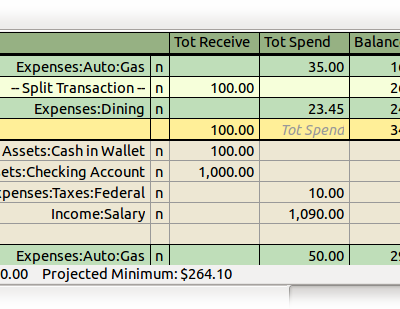
GnuCash is the veteran of free accounting: a desktop program under the GNU GPL, built and maintained by volunteers, running on Windows, macOS and Linux. It is proper double-entry bookkeeping with reports, scheduled transactions, multiple currencies and a small-business layer for customers, vendors, invoices and bills. Bank data arrives by file import (QIF, OFX) with transaction matching rather than a live feed, so expect to download statements yourself. Its own site compares the interface to a checkbook register, which is either the appeal or the dealbreaker. | Free and open sourcesource | The whole program: double-entry books, reports, small-business toolssource | Desktop appsource | Includedsource | File import onlysource | |
Frappe Books is the modern-looking free desktop option: an open-source accounting app with double-entry books, invoicing, bills, payments and the standard financial reports. Everything lives in a single SQLite file on your own computer, so it works offline and there is nothing to subscribe to and nobody holding your data. That also means no bank feeds, and transactions come in through a CSV import wizard instead. A good fit if you want tidy books on your laptop without an account anywhere, and a poor one if you want your accountant logging in from their office. | Free and open sourcesource | The whole desktop app, with your data in a file on your computersource | Desktop appsource | Includedsource | File import onlysource | |
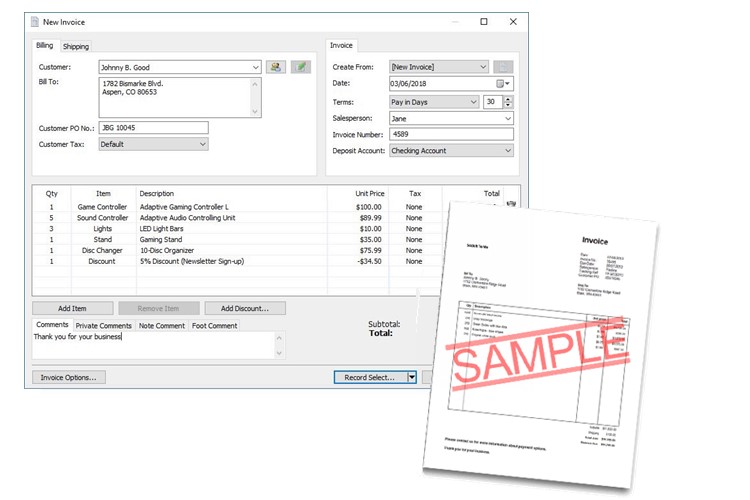
Express Accounts is a Windows and Mac download whose free version does not expire, and NCH is unusually direct about who it is for: small businesses with fewer than five employees. It handles quotes, invoices, accounts payable, a general journal and more than 20 reports, and it pairs with NCH's separate invoicing and inventory programs. The free version leaves out features aimed at larger organisations, and the paid licences are one-time purchases priced only inside NCH's own store, where Basic lists at $249 and was discounted when this page was built. Both the interface and the website feel dated next to the cloud tools here. | Free desktop downloadsource | The app itself, for businesses under five employees, with no expirysource | $249 one-time for Basic, on sale at $159source | Desktop appsource | Includedsource | |
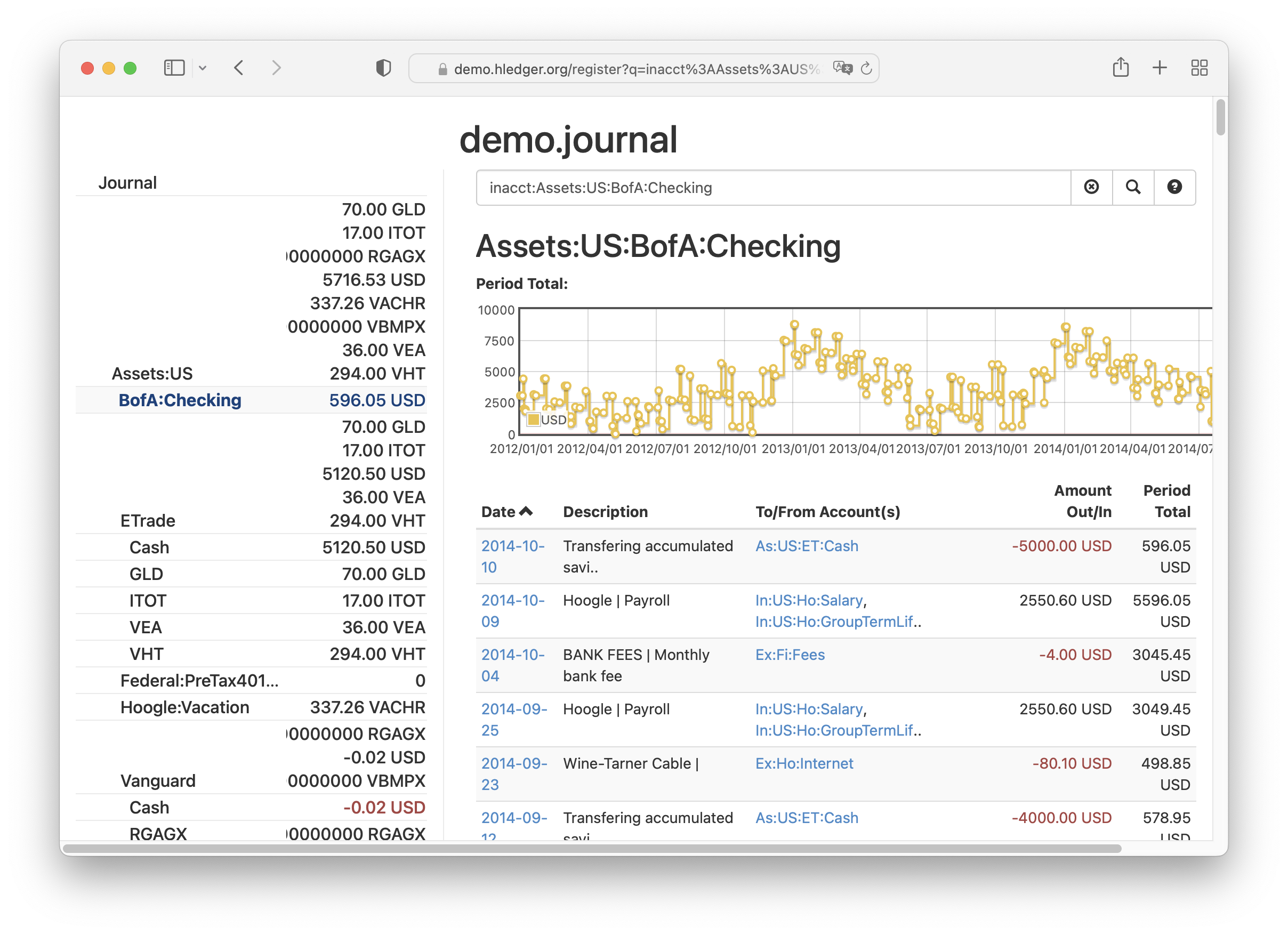
hledger is plain-text accounting: your books are a text file you own, and the program reads it from the command line, a terminal interface or a local web view. It is free software, maintained continuously since 2007, and it pulls in bank data by importing CSV downloads rather than connecting to anything. There is no invoicing, so most solopreneurs would pair it with a separate billing tool. Worth the learning curve if you are comfortable in a terminal and want records that will still open in thirty years. | Free and open sourcesource | Everything: one binary, and your data in plain text you controlsource | Command linesource | File import onlysource |