Best open source accounting software for restaurants
Updated .
| Option | Point of sale | Stock and inventory | Runs as | Getting help | License | Built with |
|---|---|---|---|---|---|---|
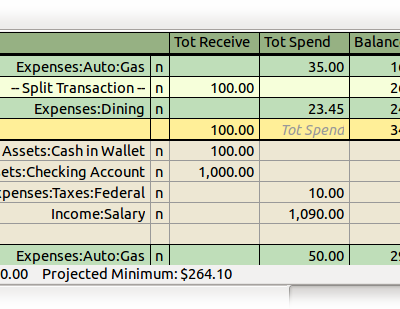
GnuCash is the veteran of open source bookkeeping: a program you install on one computer, with double-entry accounts, customer and supplier invoicing, scheduled transactions and bank-statement reconciliation, and no subscription of any kind. For a restaurant it handles the books and little else. There is no till and no stock tracking, so you would ring up sales elsewhere and enter the day's takings here. Development has been continuous since the late 1990s and it runs on Windows, macOS and Linux, with the data file sitting on your machine, which also makes backups your job. Help comes from public mailing lists rather than a support desk. | Desktop appsource | Community forums and mailing listssource | GPLsource | Csource | ||
Frappe Books is a free desktop accounting app from the team behind ERPNext, aimed at small businesses that want tidy books without running a server. It is unusually pleasant for open source accounting: keyboard-driven entry, a template builder for invoices, and the standard reports (profit and loss, balance sheet, general ledger) ready out of the box. It has since grown inventory tracking and a point-of-sale screen with shift open and close and cash reconciliation, so a small cafe could genuinely ring up sales in it. Everything lives in a single SQLite file on your computer, so there is no hosting to buy and equally nothing syncing between staff or sites. Support is a Telegram group and GitHub discussions. | Built insource | Built insource | Desktop appsource | Community forums and mailing listssource | AGPLsource | JavaScriptsource |
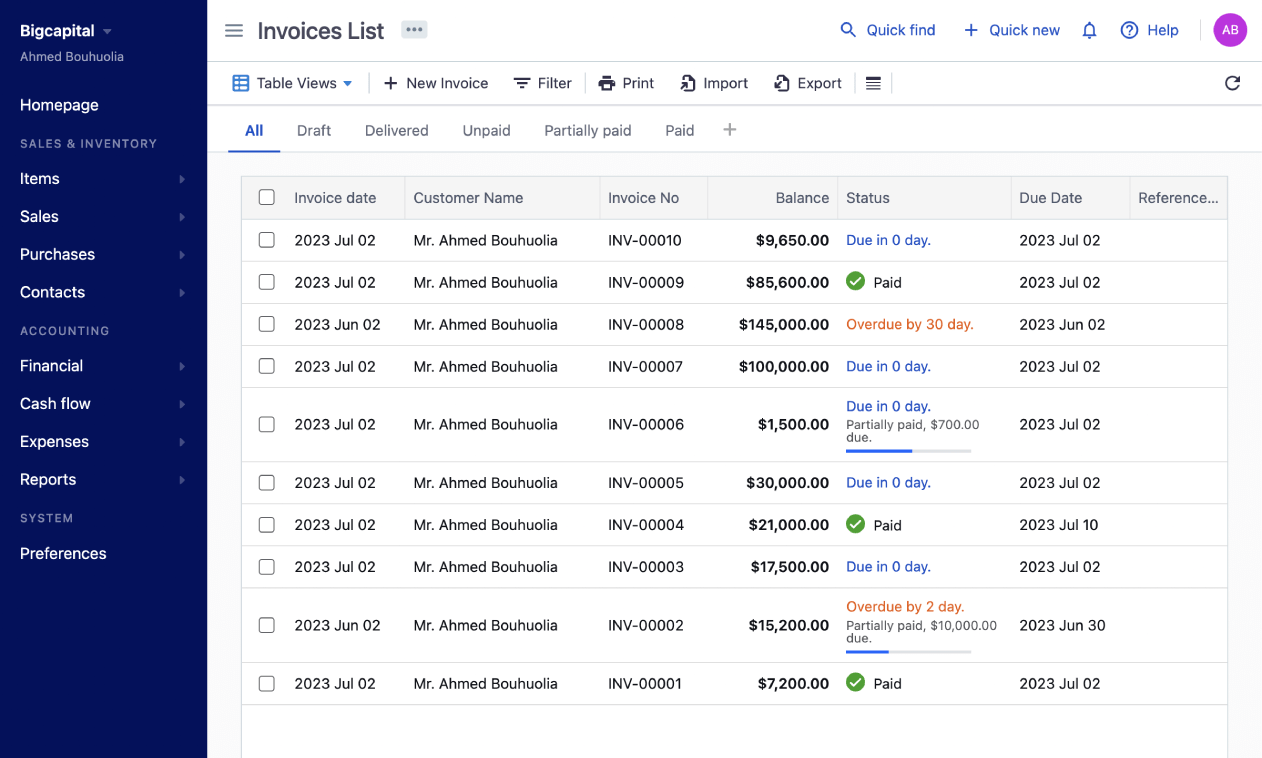
Bigcapital is a newer browser-based accounting app that reads like a QuickBooks alternative: invoices, bills, bank connections, inventory tracking and a full set of financial statements. You can self-host it with Docker under the AGPL, or pay for the makers' cloud if you would rather not run a server, where plans start around twenty dollars a month and inventory arrives on the middle tier. There is no point of sale, so a restaurant would keep a separate till and bring the sales totals across. It is the youngest project in this table, which shows in a smaller community and fewer bookkeepers who have seen it before. | Built insource | Web appsource | Paid support from the makerssource | AGPLsource | JavaScriptsource | |
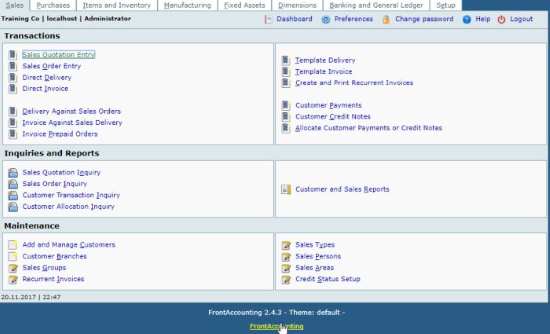
FrontAccounting is a plain, no-frills PHP web application that covers the whole small-business chain: purchase orders, supplier invoices, stock items and locations, manufacturing with bills of materials, sales and the general ledger. The stock and BOM side is what makes it interesting for a kitchen, since you can set re-order levels and let it average material costs per unit, which is the beginning of real food costing. It also has point-of-sale definitions for cash sales, though that is a back-office cash-sale setup rather than a touchscreen till. The interface looks its age and the documentation is a community wiki, but it installs on any cheap PHP host and a list of consultants around the project sell support. | Built insource | Built insource | Web appsource | Paid support from partnerssource | GPLsource | PHPsource |
LedgerSMB is a mature Perl web application, forked from SQL-Ledger in 2006 after a dispute over security handling, and it takes correctness seriously: multi-currency double-entry accounting, sales and purchase orders, fixed assets and depreciation, and inventory with light manufacturing, all in one PostgreSQL database. You run it on your own server, official Docker images are published for every release, and staff reach it through an ordinary browser. There is no point of sale, so it suits a restaurant that rings up sales elsewhere and wants a solid back office behind them. Several independent firms sell commercial support, which is worth knowing before you commit to a Perl stack nobody on your team may have seen. | Built insource | Web appsource | Paid support from partnerssource | GPLsource | Perlsource | |
ERPNext is the most complete free option here: accounts, purchasing, stock, a point of sale, HR and payroll in one open source system, plus a low-code builder for whatever does not fit. For a restaurant that means one place can hold recipes as bills of materials, run stock down as dishes are sold, and post the accounting behind it, instead of stitching a till to a bookkeeping app. The trade-off is weight, since it expects a proper server and real setup effort, though Frappe, the company behind it, sells managed hosting from a few dollars a month and paid implementation help. Nothing is held back behind a paywall, and its community is the largest of any project in this table. | Built insource | Built insource | Web appsource | Paid support from the makerssource | GPLsource | Pythonsource |
Odoo's free Community edition covers accounting, inventory and a point of sale that was clearly built with restaurants in mind: floor and table layouts, kitchen and bar printers, QR-code self-ordering and a preparation display for the kitchen. It is the most polished software in this table by some distance, and the app-by-app structure lets you start with the till and the books and add the rest later. Two cautions: Community is genuinely free under the LGPL, but a number of conveniences and some country accounting packs live only in the paid Enterprise edition, and Odoo's own hosted plans are charged per user per month once you pass the free single-app tier. Self-hosted Community users lean on the community forum unless they buy a plan. | Built insource | Built insource | Web appsource | Paid support from the makerssource | LGPLsource | Pythonsource |
Dolibarr is a modular PHP suite a small restaurant can grow into gradually: you switch on only the modules you need and leave the rest dark. Its TakePOS module is a real touchscreen till with floors, rooms and tables, QR-code self-ordering for customers, and automatic stock deduction as orders are processed, so the front of house and the books stay in one system. Stock management covers warehouses, movements, lots and sell-by or eat-by dates, which matters more in a kitchen than in most businesses. It has been going since 2003, installs on ordinary PHP hosting, and there is a wide partner network plus hosted plans if you would rather someone else ran it. | Built insource | Built insource | Web appsource | Paid support from partnerssource | GPLsource | PHPsource |
Tryton is a modular Python business platform: you install a small core and add official modules for accounting, stock and a sale point till as you need them. That design makes it predictable and clean rather than quick to set up, and it assumes you or a consultant are comfortable installing Python packages and running PostgreSQL. Unusually, you can work in a browser or in a desktop client against the same server, which suits a back-office machine doing the bookkeeping while staff use the web. No single company sells Tryton; a network of service providers around the Tryton Foundation offers paid support and hosting. | Official add-on modulesource | Official add-on modulesource | Desktop and web appsource | Paid support from partnerssource | GPLsource | Pythonsource |
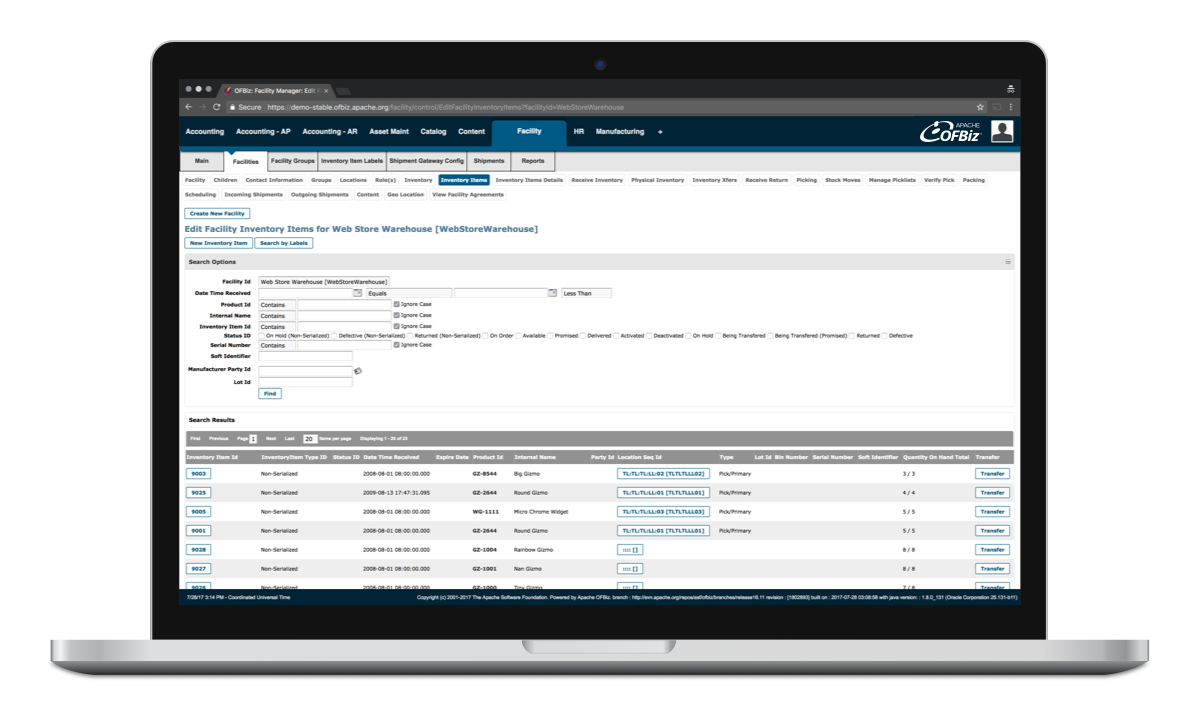
Apache OFBiz is a Java business framework with accounting, inventory, order management, manufacturing and an integrated web point of sale, all under the permissive Apache 2.0 licence. Its real audience is developers building a custom system: it is a toolkit as much as a finished product, and shaping it around one restaurant means Java work or a contractor who does it for you. In exchange nothing is held back, the licence lets you keep your changes private, and the project has been alive since 2001 with the Apache Software Foundation behind it. Support is community mailing lists, because there is no vendor to call. | Built insource | Built insource | Web appsource | Community forums and mailing listssource | Apache 2.0source | Javasource |