free accounting software for nonprofits
Updated .
| Option | Paid Plan From | Free Option | Where It Runs | Built For | Free Plan Limit |
|---|---|---|---|---|---|
Wave's Starter plan is the best-known genuinely free bookkeeping tool, and it is unusually generous on volume: unlimited invoices, bills and bookkeeping records, with real double-entry accounting underneath. The catch for an organization is that Starter is single-user, and the conveniences that save a treasurer time, automatic bank import, receipt capture and merged transactions, are all on the paid Pro plan. Nothing in it speaks the nonprofit's language either, so restricted funds and grants have to be tracked with ordinary categories. Best for a very small charity where one volunteer keeps the books and enters transactions by hand. | $19source | Free plansource | Cloudsource | Small businessessource | Single user; bank import is paidsource |
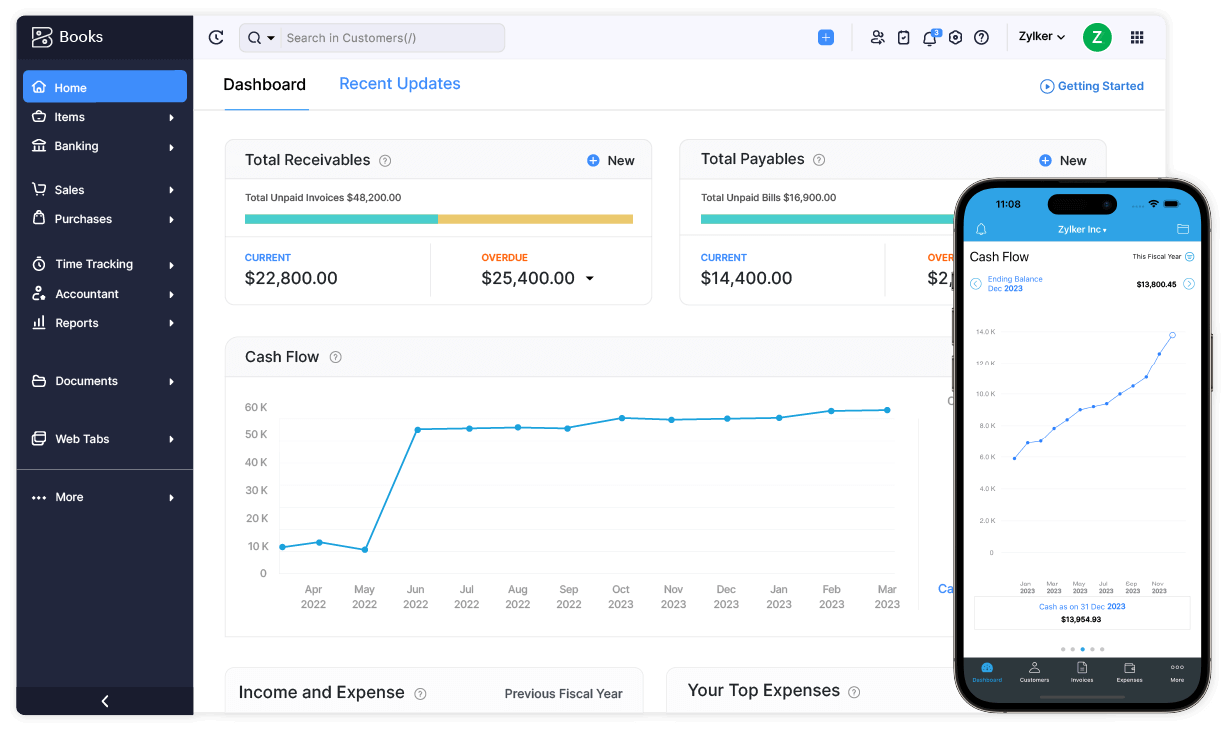
Zoho Books gives away a full accounting product, not a stripped-down one: the free tier includes invoices, expenses, bank reconciliation, a customer portal and more than fifty reports. The gate is revenue rather than features, so it fits a small charity comfortably and stops fitting the moment the organization grows past the threshold. Access is limited to one user plus an accountant, which suits a treasurer-and-bookkeeper setup but not a finance committee. It is built for businesses, so fund tracking has to be improvised from categories and reports. | $20source | Free plansource | Cloudsource | Small businessessource | Revenue under $50K a yearsource |
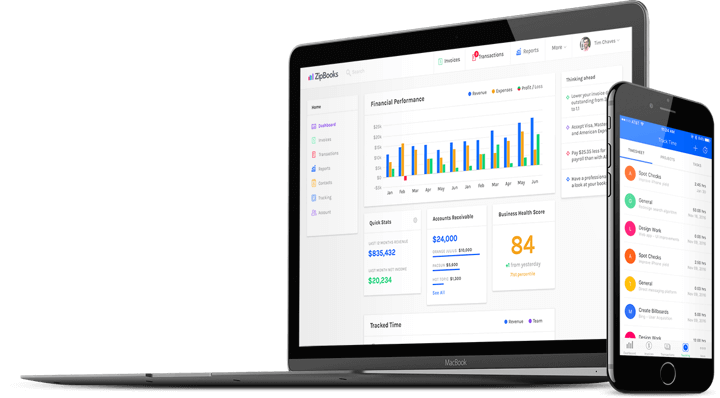
ZipBooks keeps a permanently free Starter tier with unlimited invoices, unlimited customers and vendors, digital payments and basic reports. The one hard limit is a single connected bank account, which is fine for an organization running everything through one checking account and awkward for one with a separate savings or restricted-funds account. The company also publishes a church-focused landing page, but the underlying product is a general small-business tool rather than fund accounting software. It is the lightest of the cloud options here, which is both the appeal and the ceiling. | $15source | Free plansource | Cloudsource | Small businessessource | 1 connected bank accountsource |
GnuCash is the long-running open-source desktop ledger, licensed under the GNU GPL with no tier above it to upgrade to. Because it is a real double-entry system with an unrestricted account tree, treasurers often use nested accounts to stand in for restricted funds, and the community documents that pattern, but nothing in the software is labelled for nonprofits. It runs on the computer rather than in a browser, so there is no bank-feed convenience and no second person working in it at the same time. Choose it when data ownership and zero cost matter more than polish or collaboration. | Freesource | Open sourcesource | Desktopsource | Small businessessource | Nonesource |
Manager's desktop edition is free outright, with no time limit, no usage cap and no ads, and it is considerably more full-featured than most free downloads: full double-entry accounting, custom reports and multiple currencies. The trade is spelled out plainly by the maker, which funds the free desktop app by selling the cloud edition: the desktop version is single-user and has no remote access, so a treasurer and a bookkeeper cannot both be in the books. It is proprietary rather than open source, so the data is yours but the code is not. A good fit for one person who keeps the accounts on one machine. | $59source | Free desktop appsource | Desktopsource | Small businessessource | Single user, no remote accesssource |
Akaunting is open-source accounting you install on your own server, where it is free with unlimited invoices, customers and vendors. The important detail is that free means self-hosted: the hosted plans on akaunting.com are all paid, and several conveniences arrive as separate apps you buy from its marketplace. The company publishes a church accounting page, but the core product is general small-business bookkeeping. Worth it if someone in the organization is comfortable running a web server; otherwise the setup cost is real. | $12source | Open sourcesource | Cloud or self-hostedsource | Small businessessource | Free only if you self-hostsource |
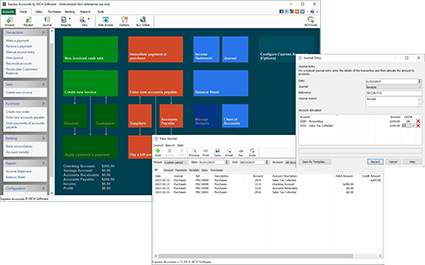
Express Accounts is a downloadable Windows and Mac bookkeeping program whose free edition is licensed by organization size rather than by time, so it does not expire. NCH is explicit that the free version omits features aimed at larger organizations and carries some quota limits, and that it is licensed for non-commercial or small-business use, which a small charity generally satisfies. There is no fund accounting and no donation tracking; it produces the standard business reports. Reasonable for a tiny all-volunteer group that wants installed software and will never grow past a handful of people. | Free desktop appsource | Desktopsource | Small businessessource | Fewer than five employeessource | |
OpenPetra is the rarest thing on this list: software written for nonprofit administration specifically, and given away under the GPL. It combines a contact database with the accounts, and its stated speciality is processing and receipting donations, which is exactly the part general business tools cannot do. The cost is effort rather than money, since it is server software you install yourself, and its documentation and community are smaller than any commercial option here. Try the public demo before committing, and expect to need someone technical for the setup. | Freesource | Open sourcesource | Self-hostedsource | Nonprofits and churchessource | Nonesource |
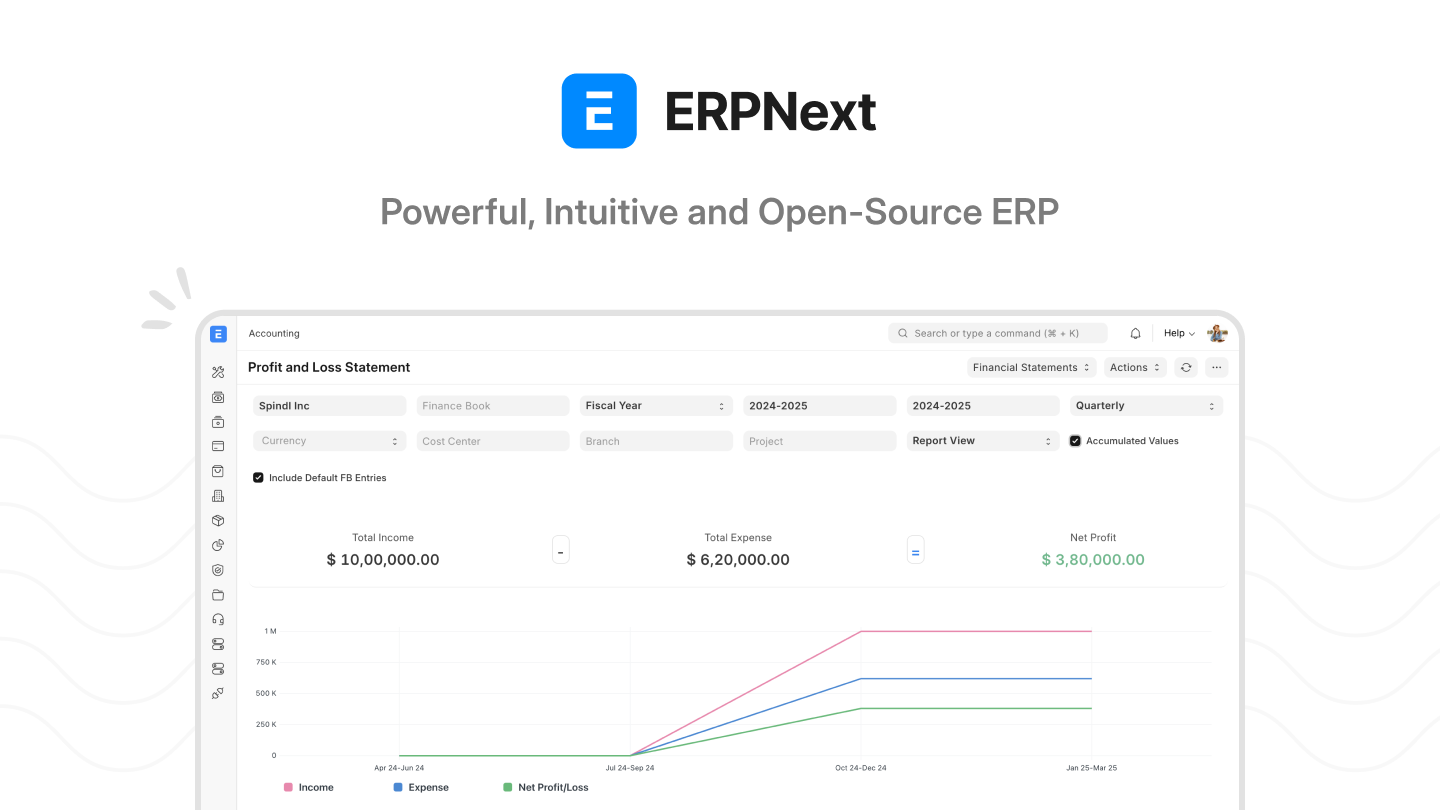
ERPNext is a full open-source ERP that happens to include accounting, and its maker is unambiguous that the software itself is free forever if you host it yourself. That makes it the most capable free option here by a wide margin and also the heaviest: it is a system to be configured, not an app to be opened. Frappe sells managed hosting, so the practical choice is paying for a server or paying them. Sensible only for a larger nonprofit that already has technical staff and wants inventory, projects or HR in the same system as the ledger. | $5source | Open sourcesource | Cloud or self-hostedsource | Any size (full ERP)source | Free only if you self-hostsource |
This is the answer most nonprofit finance guides give, and it is not quite free: Intuit donates QuickBooks Online through TechSoup, and eligible organizations pay TechSoup an administrative fee for a one-year subscription rather than the retail price. What that buys is the one product on this list with fund accounting, donation tracking and Form 990 support documented for nonprofits, plus accountants everywhere who already know it. The renewal is annual and the fee recurs, so it is a standing line in the budget rather than a one-off. Include it in the comparison if the organization can clear TechSoup's eligibility check. | $38source | Donated (admin fee)source | Cloudsource | Nonprofits and churchessource | Admin fee; 1 year, 5 userssource |
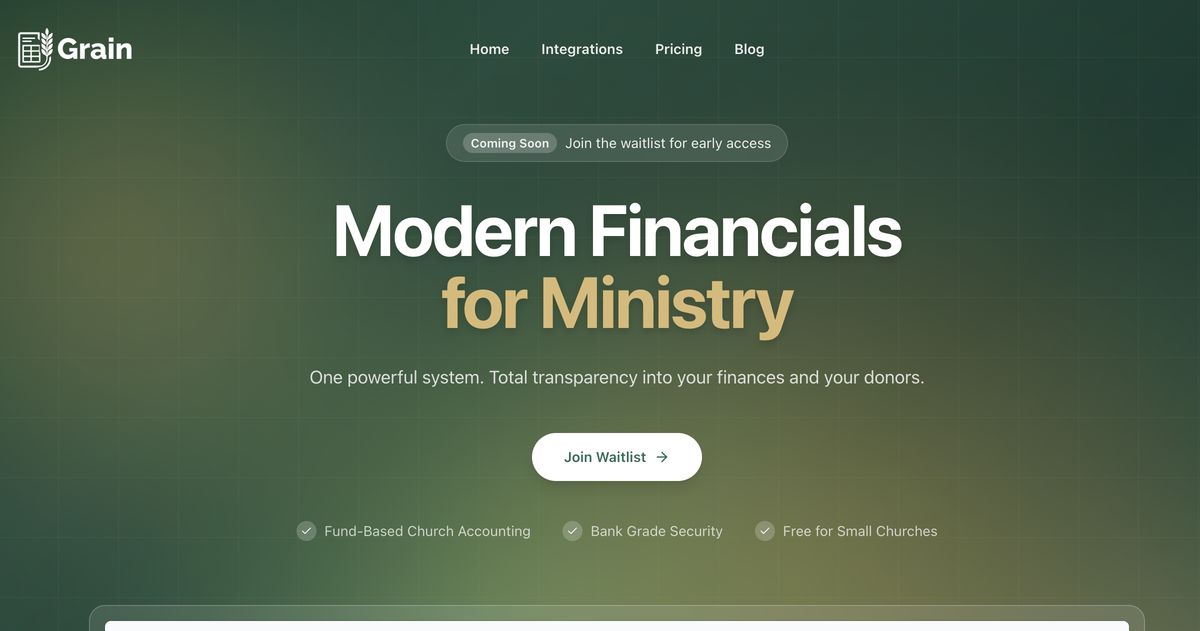
Grain Ledger is a newer cloud product built specifically for church and ministry finance, and its free Starter tier is real fund accounting rather than a trial: unlimited funds, accrual and cash basis, one bank connection. Eligibility is set by spending rather than by feature lockout, so a small congregation can stay on it indefinitely and a growing one will hit the ceiling. Being young is the risk worth naming, since it has a much shorter track record than anything else here and its own blog is a large part of what is written about it. Look at it first if the organization is a church and fund reporting is the pain point. | $70source | Free plansource | Cloudsource | Nonprofits and churchessource | Up to $20k monthly expensessource |