Best office chairs for back pain
Updated .
| Option | Price | Lumbar Support | Back Material | Armrest Adjustment | Headrest | Weight Capacity | Warranty |
|---|---|---|---|---|---|---|---|
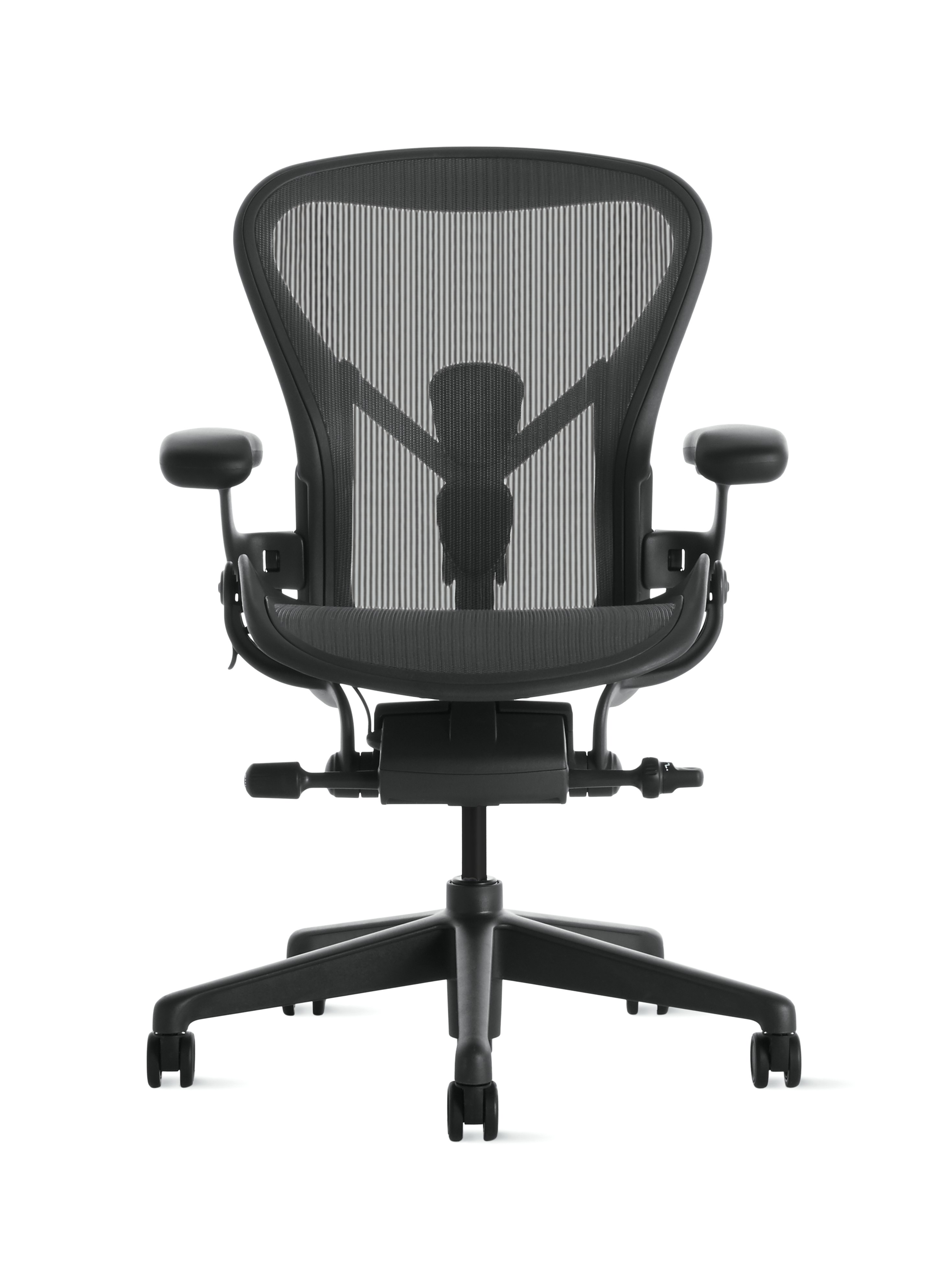
The chair most people picture when they think of an ergonomic office chair, and still the reference point for a breathable, foam-free sit. Its PostureFit SL back support is two independent pads: the upper one holds your lumbar curve, the lower one braces your sacrum, which is the part most chairs leave unsupported. It comes in three sizes rather than one shell that stretches to fit everyone, so getting the right size matters more here than on most chairs. The trade-offs are the price and a taut suspension seat that some people never warm to. | $2,150source | Adjustable sacral and lumbar padssource | Suspension materialsource | 3Dsource | 350source | 12 yearssource | |
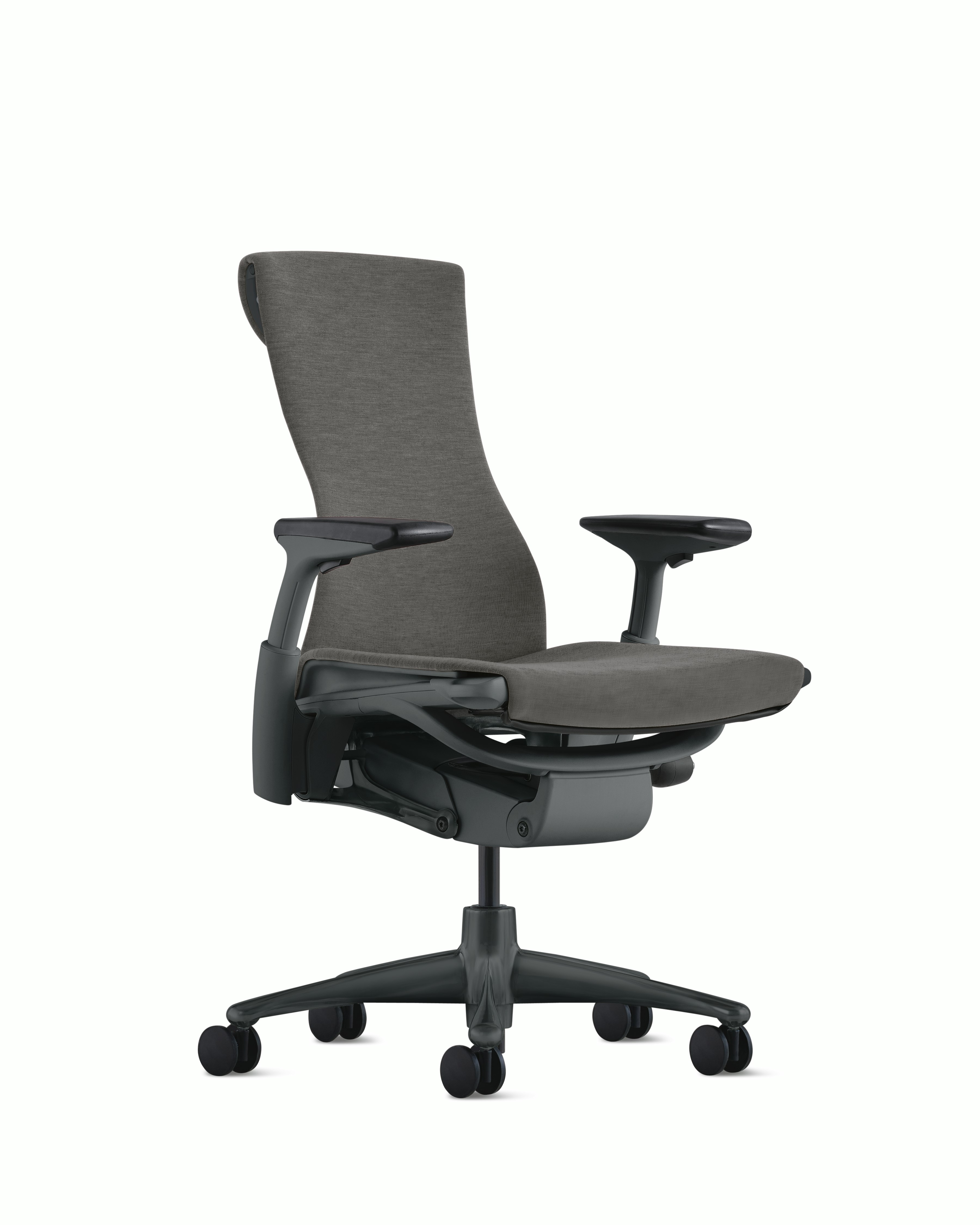
Embody takes the opposite approach to the Aeron: instead of a taut membrane it uses a four-layer seat and a back built like a spine, with a central column and flexible ribs that move as you do. The Backfit adjustment lets you shape the whole backrest to your own curve rather than sliding a lumbar pad up and down. It is the Herman Miller people choose when they want cushioning without giving up support, and it is priced to match. Its arms adjust for height and width but not depth or pivot, which is less than several far cheaper chairs here offer. | $2,090source | Adjustable spine-fit backrestsource | Upholstered fabricsource | 2Dsource | 300source | 12 yearssource | |
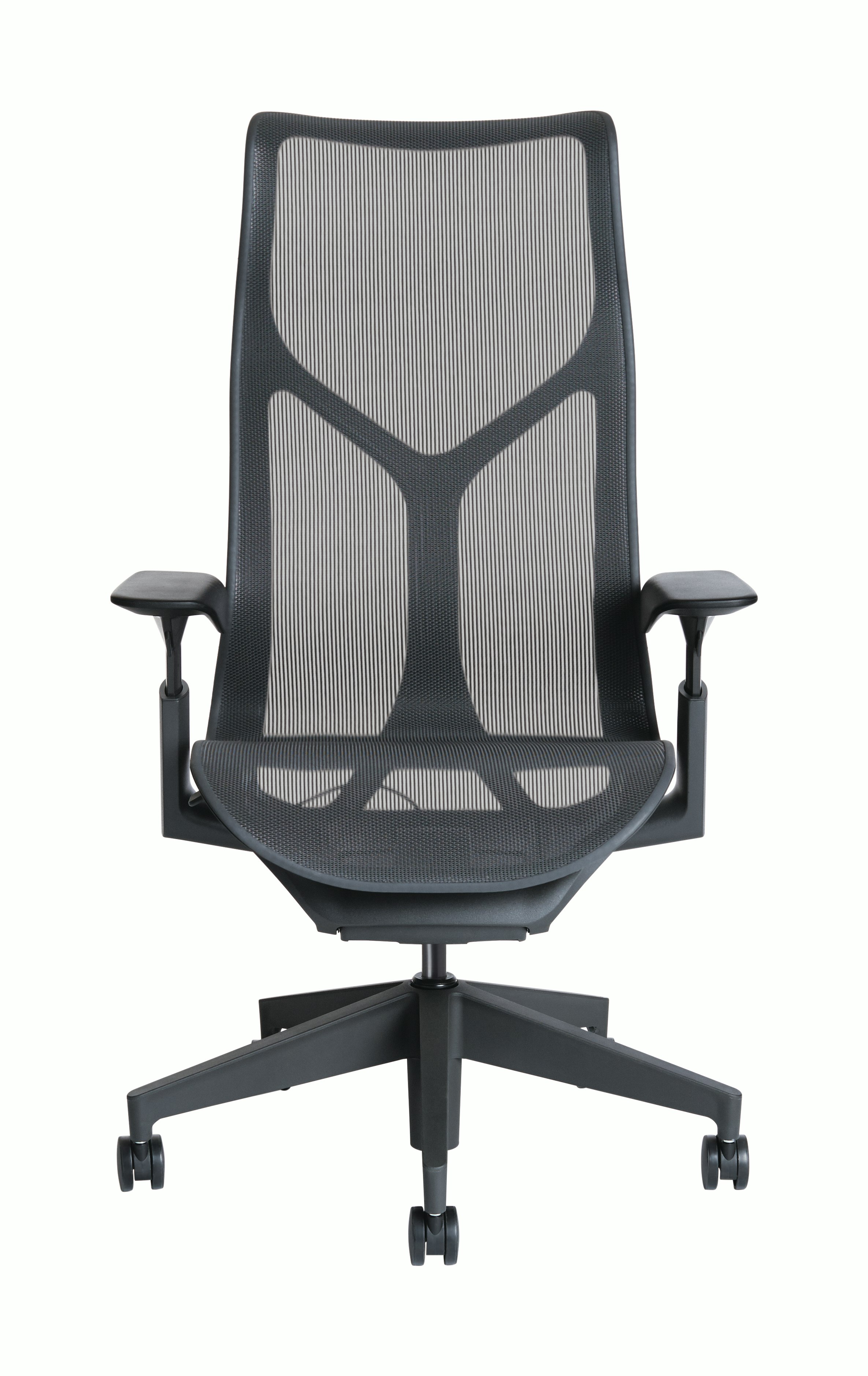
Cosm is the anti-adjustment chair: its auto-harmonic tilt and springy Intercept suspension are meant to conform to you the moment you sit, with no dials to learn. That makes it a sensible pick for a shared desk, or for someone who would never touch a lever anyway, and a poor one for anyone whose back needs a lumbar pad set to an exact height. The high-back version priced here is rated to 350 pounds and carries the same 12-year warranty as the rest of the range. Herman Miller does not sell a headrest for it. | $1,955source | Self-adjustingsource | Suspension materialsource | 350source | 12 yearssource | ||
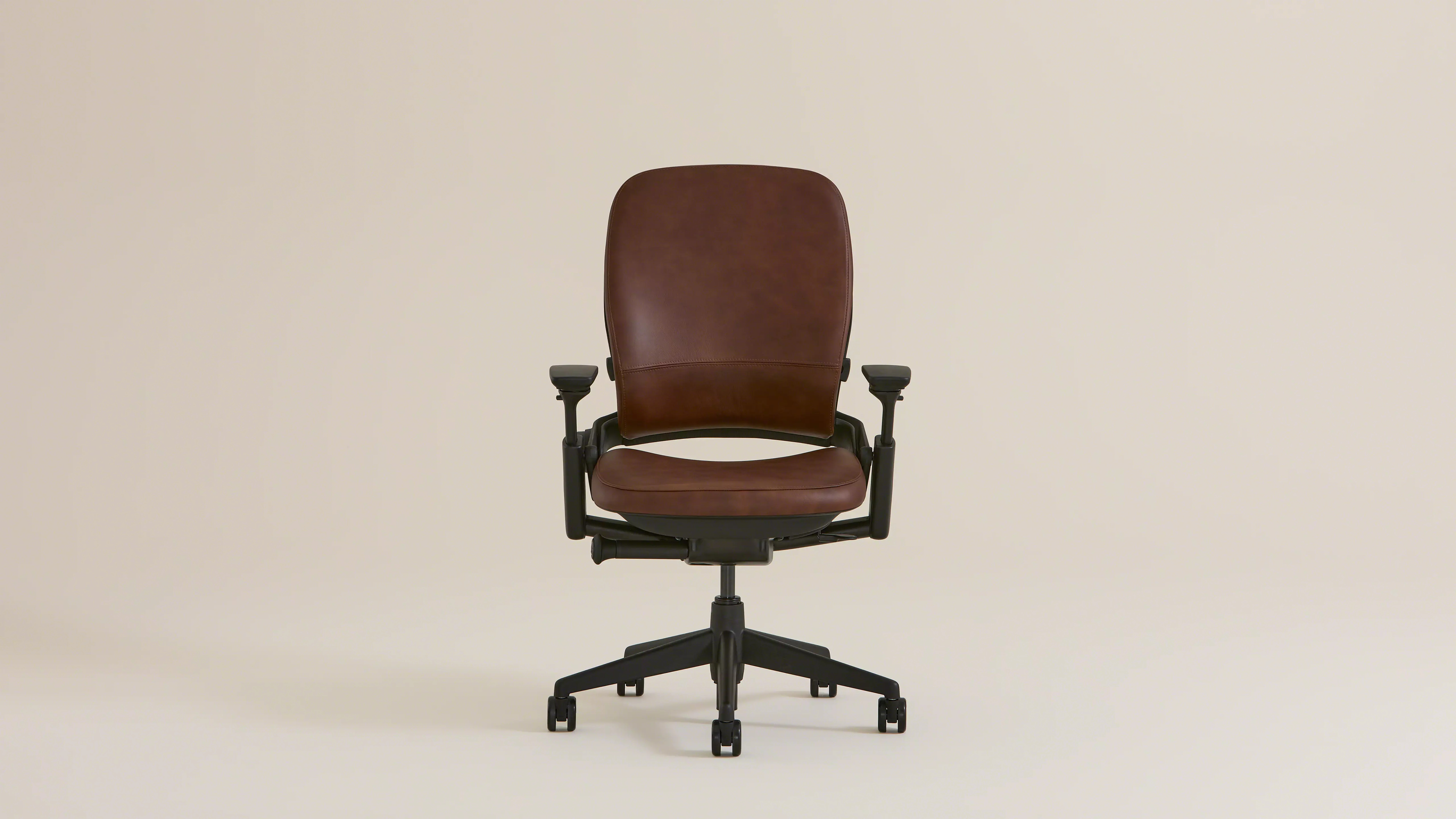
Leap is the most adjustable chair Steelcase makes and the one most often pointed at people who already have lower-back trouble. On top of a height-adjustable lumbar pad there is a separate firmness dial that sets how hard the lower back pushes into you, which almost nothing else here offers, and the backrest flexes to follow your spine as you move. It is rated to 400 pounds and covered for 12 years. The upholstered back does not breathe the way mesh does, and the list price sits near the top of this table. | $2,167source | Adjustable lumbar padsource | Upholstered fabricsource | 4D or moresource | Optional extrasource | 400source | 12 yearssource |
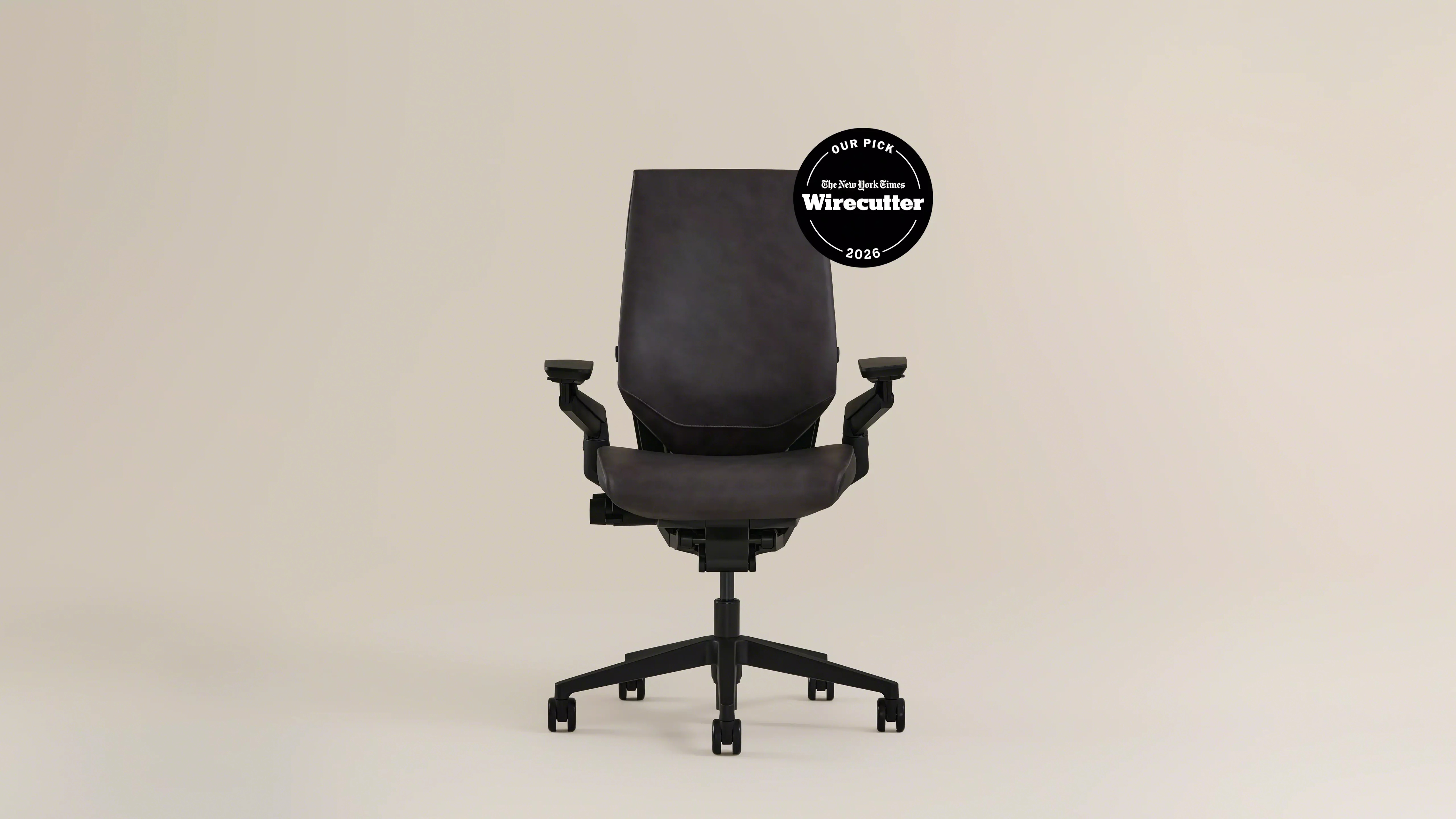
Gesture was designed around how people actually sit when they are holding a phone or a tablet, and its 360-degree arms have the widest range of movement of anything in this table. Lower-back support comes from a built-in Core Equalizer that holds pressure steady through the recline rather than a pad you set yourself, with extra adjustable lumbar sold as an option. It matches Leap on the 400-pound rating and the 12-year warranty. If your trouble is neck and shoulder strain from device work as much as your lower back, this is the Steelcase to look at first. | $2,213source | Fixed built-insource | 4D or moresource | Optional extrasource | 400source | 12 yearssource | |
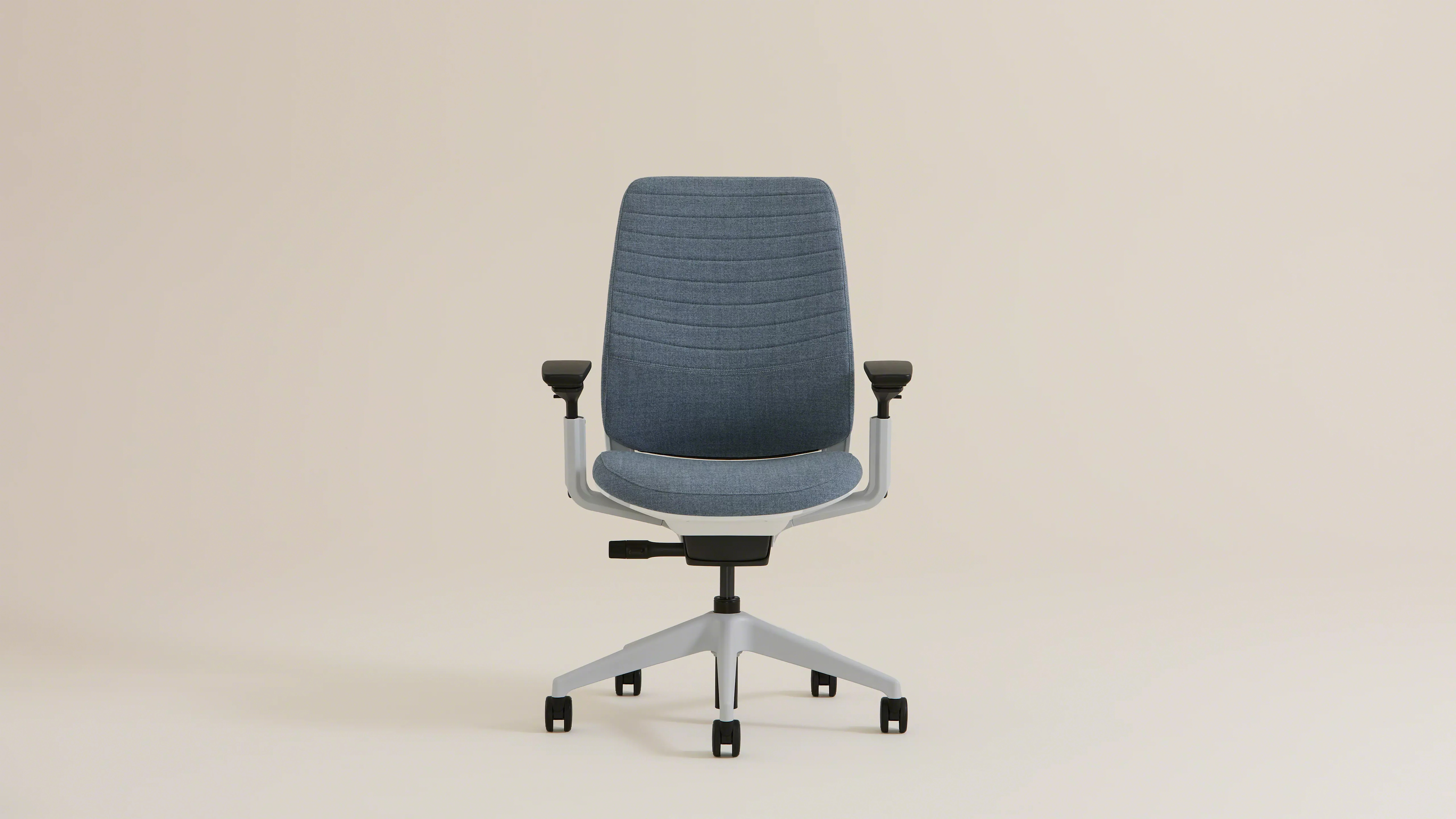
Series 2 is Steelcase's attainable chair: roughly a third the price of a Leap, with a lumbar you slide up and down using two handles on the back, and the same 400-pound rating and 12-year warranty as its expensive siblings. Recline tension is weight-activated instead of dialed in, so there is less to set up and less to fine-tune. Steelcase's own FAQ notes that the Air Back version does not include the adjustable lumbar, so the back option you pick matters if lumbar support is the reason you are buying. A headrest is available but has to be chosen at purchase or fitted later. | $768source | Adjustable lumbar padsource | Upholstered fabricsource | 4D or moresource | Optional extrasource | 400source | 12 yearssource |
Branch's entry chair is the value pick people land on when a Herman Miller is out of reach, with eight points of adjustment, a height-adjustable lumbar and a double-woven mesh back. Branch rates it to 275 pounds and recommends it for people between about 5 feet 2 and 6 feet 2, a narrower range than most chairs here cover. The seven-year warranty is unusually long for the money. There is no headrest option, so it suits upright desk work better than reclining. | $369source | Adjustable lumbar padsource | Meshsource | 3Dsource | Optional extrasource | 275source | 7 yearssource |
The Pro is Branch's answer to the premium tier: 14 points of adjustment, five-way armrests, and a padded lumbar that moves for depth as well as height rather than height alone. It adds forward seat tilt and an optional headrest, and offers boucle, vegan leather and leather backs alongside the standard mesh. The weight rating stays at 275 pounds, the same as the cheaper Branch, so what you are buying is adjustability and materials, not capacity. At $499 it sits squarely in the gap between budget mesh chairs and the $2,000 tier. | $499source | Adjustable lumbar padsource | Meshsource | 4D or moresource | Optional extrasource | 275source | 7 yearssource |
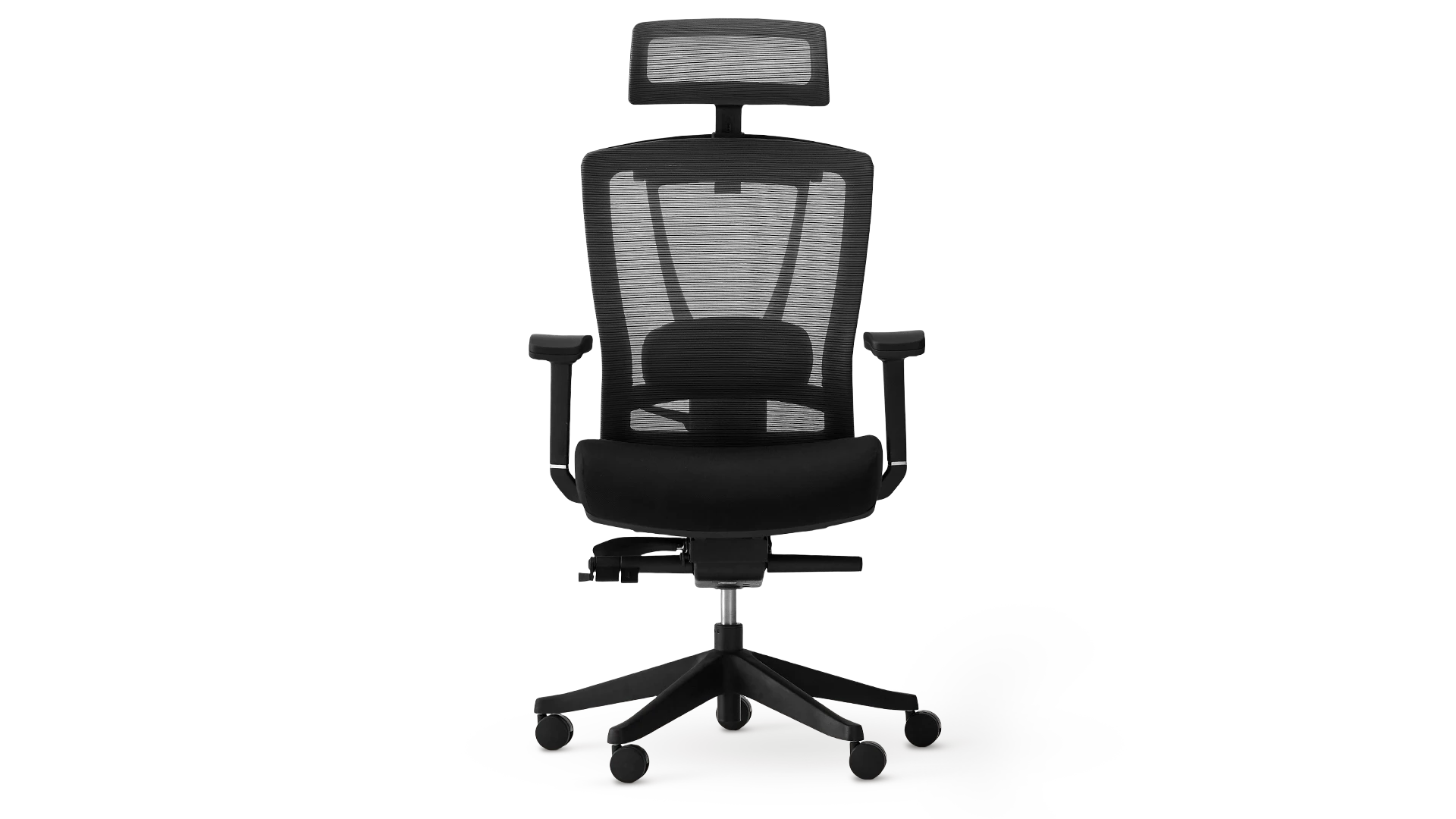
The ErgoChair Pro is built to be set once and left alone, with nine adjustment points including a lumbar that slides six inches up and down the backrest to meet your lower spine. It includes a headrest at a price where most chairs charge extra, and the recline keeps the seat level so your knees stay at a typing angle as you lean back. Autonomous backs it with a lifetime warranty, the longest in this table. Its published spec sheet lists only armrest height, so how far the arms travel in other directions is not stated. | $499source | Adjustable lumbar padsource | Meshsource | Includedsource | 300source | Lifetimesource | |
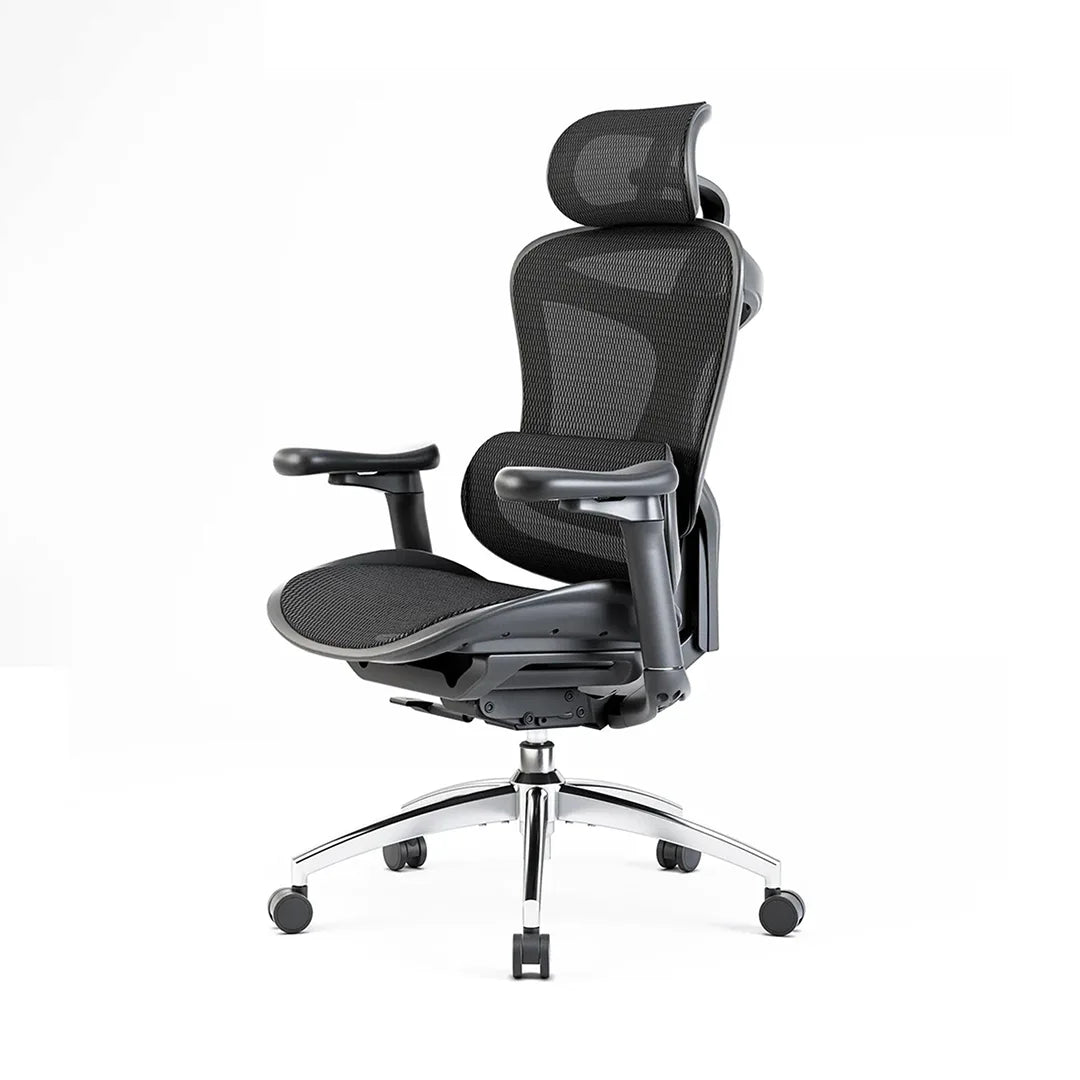
By some distance the cheapest chair in this table, and the one most often suggested to people who want a mesh back and a headrest without spending several hundred dollars. Its lumbar support adapts on its own as you shift rather than locking to a height you choose, which suits people who do not want to fiddle and frustrates people who want a pad in an exact spot. It has 4D armrests, a 330-pound rating and a three-year warranty, the shortest here. Sihoo runs a permanent strikethrough price, so treat the higher figure with caution. | $279.99source | Self-adjustingsource | Meshsource | 4D or moresource | Includedsource | 330source | 3 yearssource |
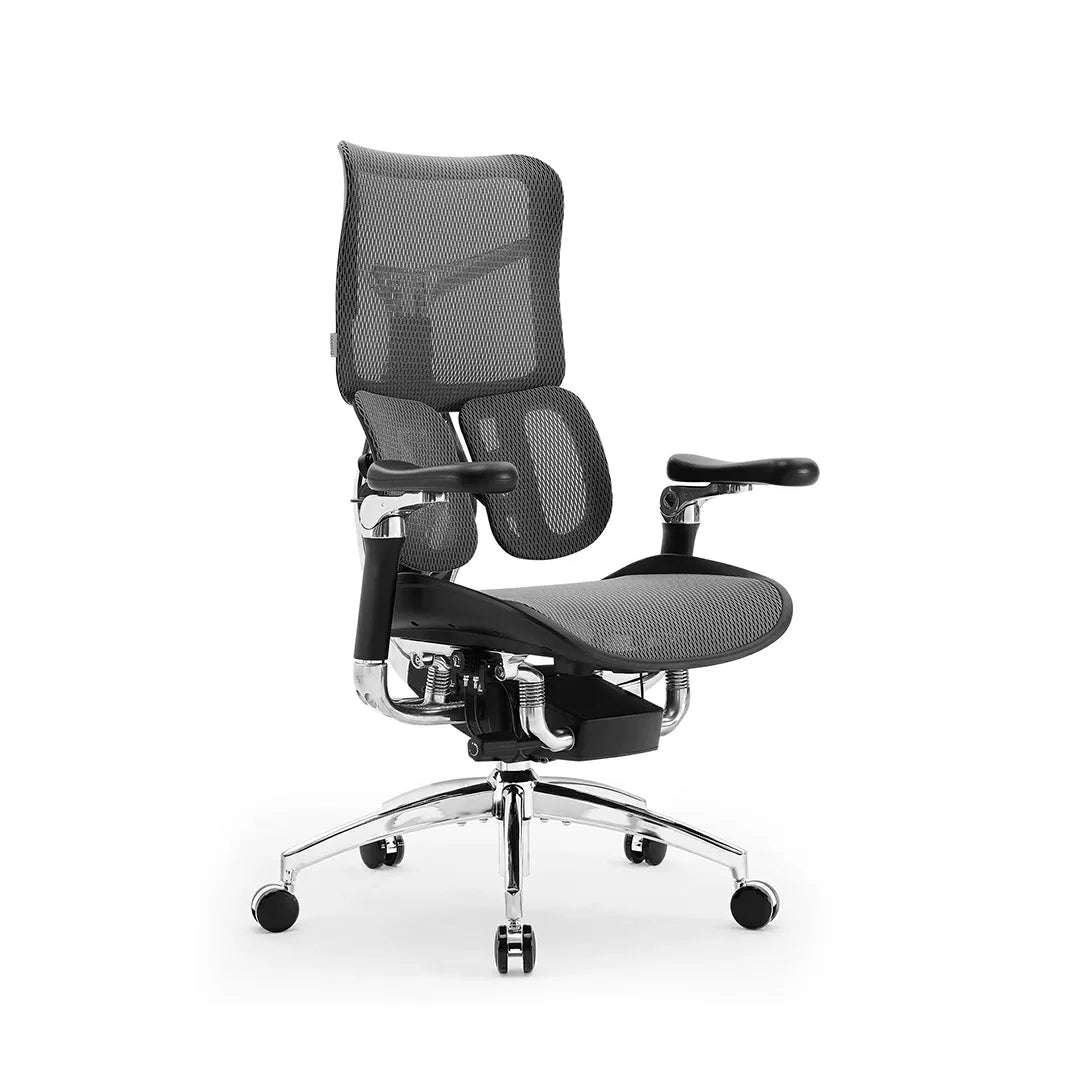
The S300 is Sihoo's flagship and the only chair here with two separate lumbar pads that move up and down as well as side to side, which is genuinely useful if your discomfort sits off to one side. Its anti-gravity recline is built to take pressure off your spine as you lean back, and the armrests move in six directions. Materials are a clear step up from the C300, with Italian velvet woven into the mesh. The three-year warranty still looks short next to the 12 years the office-furniture brands offer. | $599.99source | Adjustable lumbar padsource | Meshsource | 4D or moresource | Includedsource | 330source | 3 yearssource |