Stargazing Near Fort Worth
Fifteen stargazing spots near Fort Worth compared on Bortle sky rating, entry cost, gate hours and drive time, from Tandy Hills to Copper Breaks. Read our take
At a glance
| Option | Cost to Visit | Site Type | Bortle Sky Rating | Night Access | Park Hours | Drive Time from Fort Worth | Address |
|---|---|---|---|---|---|---|---|
| Natural areasource | Scheduled star partiessource | Sunrise to sunset, year-roundsource | 10 | 3325 View Street, Fort Worth, TX 76103source | |||
| $6source | Astronomy centersource | Scheduled star partiessource | First and third Saturday of each month, for public star partiessource | 58 | 2350 Tom Cole Road, Denton, TX 76207source | ||
| National grasslandsource | Campsites in the parksource | 47 | 1400 US Highway 81/287, Decatur, TX 76234source | ||||
| $7source | State parksource | 7source | Campsites in the parksource | 6 a.m. to 10 p.m.source | 39 | 1570 West FM 1382, Cedar Hill, TX 75104source | |
| $6source | State parksource | 4.5source | Campsites in the parksource | 7 a.m. to 10 p.m.source | 50 | 5800 Park Road 21, Cleburne, TX 76033source | |
| $8source | State parksource | 4.5source | Campsites in the parksource | 6 a.m. to 10 p.m.source | 68 | 1629 Park Road 59, Glen Rose, TX 76043source | |
| $7source | State parksource | 4.5source | Campsites in the parksource | 6 a.m. to 10 p.m.source | 56 | 100 Park Road 71, Mineral Wells, TX 76067source | |
| $7source | State parksource | Campsites in the parksource | 8 a.m. to 10 p.m.source | 85 | 100 Park Road 77, Strawn, TX 76475source | ||
| $4source | State parksource | 4source | Campsites in the parksource | 139 | 3901 Park Road 33, Caddo, TX 76429source | ||
| $4source | State parksource | 4.5source | Campsites in the parksource | Open dailysource | 86 | 228 State Park Road 61, Jacksboro, TX 76458source | |
| $5source | State parksource | 4source | Campsites in the parksource | 6 a.m. to 10 p.m.source | 95 | 173 Park Road 7, Meridian, TX 76665source | |
| $5source | State parksource | 4.5source | Campsites in the parksource | 6 a.m. to 10 p.m.source | 83 | 433 FM 1244, Whitney, TX 76692source | |
| $7source | State parksource | 5source | Campsites in the parksource | 6 a.m. to 10 p.m.source | 70 | 100 PW 4137, Pilot Point, TX 76258source | |
| $5source | State parksource | 4.5source | Campsites in the parksource | 6 a.m. to 10 p.m.source | 104 | 14225 FM 316 N, Eustace, TX 75124source | |
| $3source | State parksource | 2source | Campsites in the parksource | 7 a.m. to 10 p.m.source | 198 | 777 Park Road 62, Quanah, TX 79252source |







Our take
The darkest sky you can reach from Fort Worth is at Copper Breaks State Park near Quanah, rated 2 on the Bortle scale with a $3 entry fee, but it is a 198-minute drive. For an evening trip, Cleburne State Park is a 50-minute drive with a 4.5 rating, and Tandy Hills Natural Area, a 10-minute drive from downtown, hosts the Fort Worth Astronomical Society's monthly public star parties.
The real split is how you get to stay after dark. Every state park here that publishes gate hours closes at 10 p.m., so a long session means booking a campsite, and all twelve state parks in the table have them. Tandy Hills and the UNT Rafes Urban Astronomy Center open at night only for scheduled star parties, which trade the darker skies of the outlying parks for club telescopes and people to explain what you are seeing.
Our picks
- Darkest sky: Copper Breaks State Park. Bortle 2, the lowest rating in the table, for a $3 entry fee, with campsites for a full night at an International Dark Sky Park.
- Darkest sky within two hours: Meridian State Park. Bortle 4 at a 95-minute drive and a $5 entry fee; Possum Kingdom matches the rating but is a 139-minute drive.
- Darker sky within an hour: Cleburne State Park. Bortle 4.5 at a 50-minute drive, the shortest drive to any state park in the table rated darker than 5.
- Best first night for beginners: UNT Rafes Urban Astronomy Center. $6 star parties on the first and third Saturday of each month, with staff and students running the telescopes, a 58-minute drive away.
- Closest to downtown: Tandy Hills Natural Area. A 10-minute drive, open after dark for the Fort Worth Astronomical Society's scheduled star parties on a native prairie.
Camping or a star party: how to stay after dark
At the state parks, the published hours are the limit for a day visit. Cedar Hill, Dinosaur Valley, Lake Mineral Wells, Meridian, Lake Whitney, Ray Roberts Lake and Purtis Creek open at 6 a.m., Cleburne and Copper Breaks at 7 a.m. and Palo Pinto Mountains at 8 a.m., and all of them close at 10 p.m. In late fall and winter that leaves a few dark hours before the gate closes, but in summer the sky is barely dark by 10. A campsite removes the deadline. Possum Kingdom publishes no gate hours and Fort Richardson says only that it is open daily, so call those two before planning a late arrival without a site.
Tandy Hills Natural Area is open sunrise to sunset, and the UNT Rafes Urban Astronomy Center opens on the first and third Saturday of each month, so both work only on star-party nights. The Lyndon B. Johnson National Grassland, a 47-minute drive, fits neither pattern: there is no park gate, and Forest Service campgrounds such as the TADRA Point trailhead and Black Creek Lake let you stay overnight, though its map pin marks the ranger office in Decatur rather than a viewing spot.
What the Bortle ratings mean for these parks
Texas Parks and Wildlife rates its state parks on the Bortle scale, where 1 is the darkest sky on Earth and 9 is an inner city. Cedar Hill State Park, a 39-minute drive inside the metroplex, rates 7, so expect the Moon, planets and bright stars. Ray Roberts Lake, 70 minutes north, rates 5. Cleburne (50 minutes), Lake Mineral Wells (56) and Dinosaur Valley (68) all rate 4.5, as do Lake Whitney, Fort Richardson and Purtis Creek at 83 to 104 minutes. Meridian and Possum Kingdom rate 4.
Copper Breaks at 2 is in a different class, and it is certified as an International Dark Sky Park, which is why it is the one long drive in the table. Palo Pinto Mountains State Park, an 85-minute drive, is too new to have a rating yet, and the city, university and federal sites are not rated by the state, so their cells are blank rather than guessed.
Check before you drive
Star parties depend on clear skies. The UNT Rafes Urban Astronomy Center cancels for weather and refunds tickets when it does, and the Fort Worth Astronomical Society asks visitors to check the Tandy Hills schedule because dates and times can change. Cedar Hill State Park says it often reaches capacity and recommends reservations for both camping and day use, and Dinosaur Valley is one of the busier parks near Fort Worth, so book a campsite before a meteor shower weekend rather than on the drive out. Drive times in the table are road routes without traffic, so allow extra time leaving Fort Worth on a Friday evening.
The options in detail
Tandy Hills Natural Area
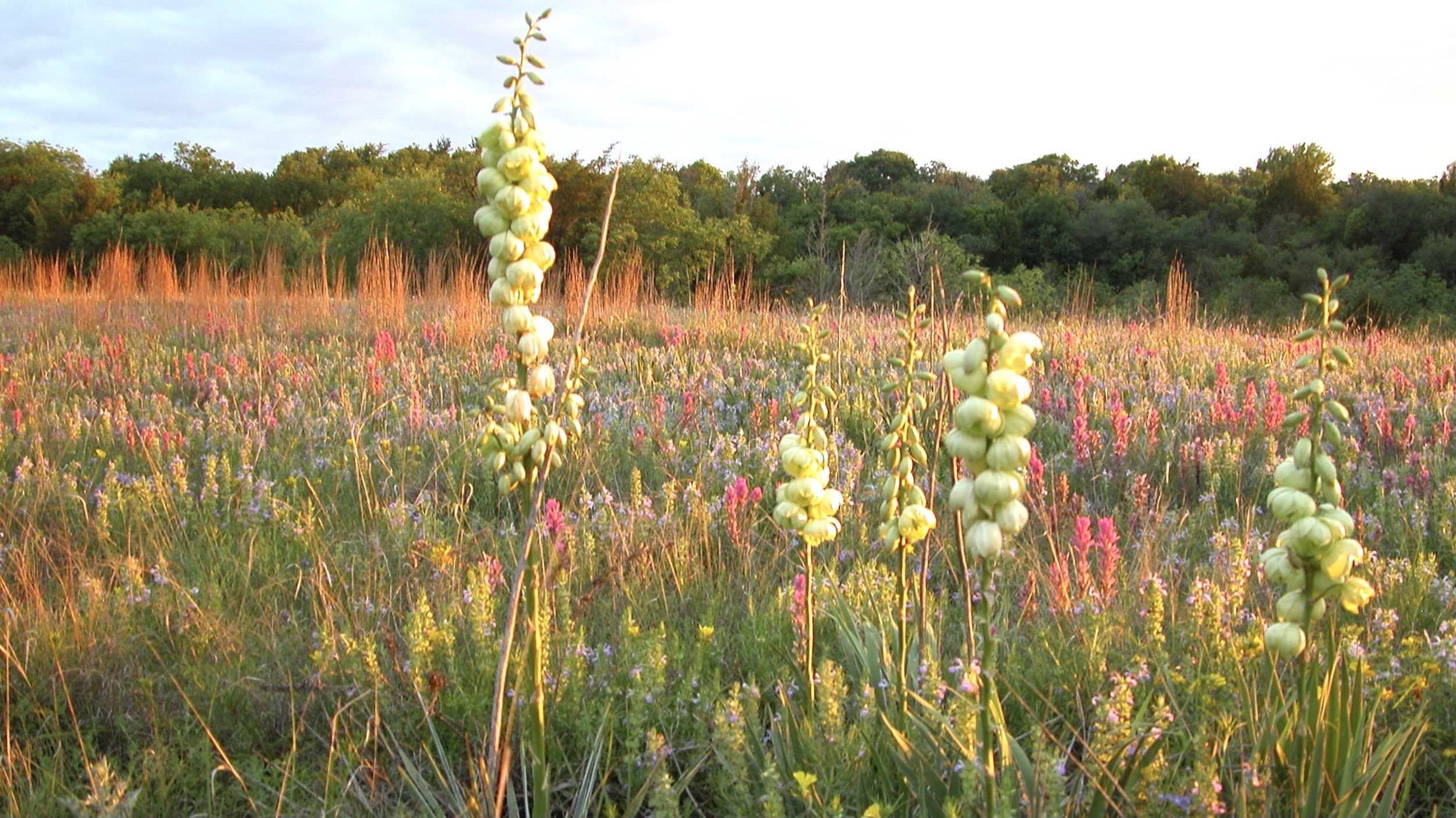
A native prairie preserve on the east side of Fort Worth, and the closest place in this table to downtown. The Fort Worth Astronomical Society holds its free monthly public star parties here, starting at dusk and running to about 10 p.m. when the weather allows, so you get club telescopes and people to explain what you are looking at. Outside those nights the preserve is open sunrise to sunset only, and city sky glow means faint objects stay out of reach.
UNT Rafes Urban Astronomy Center
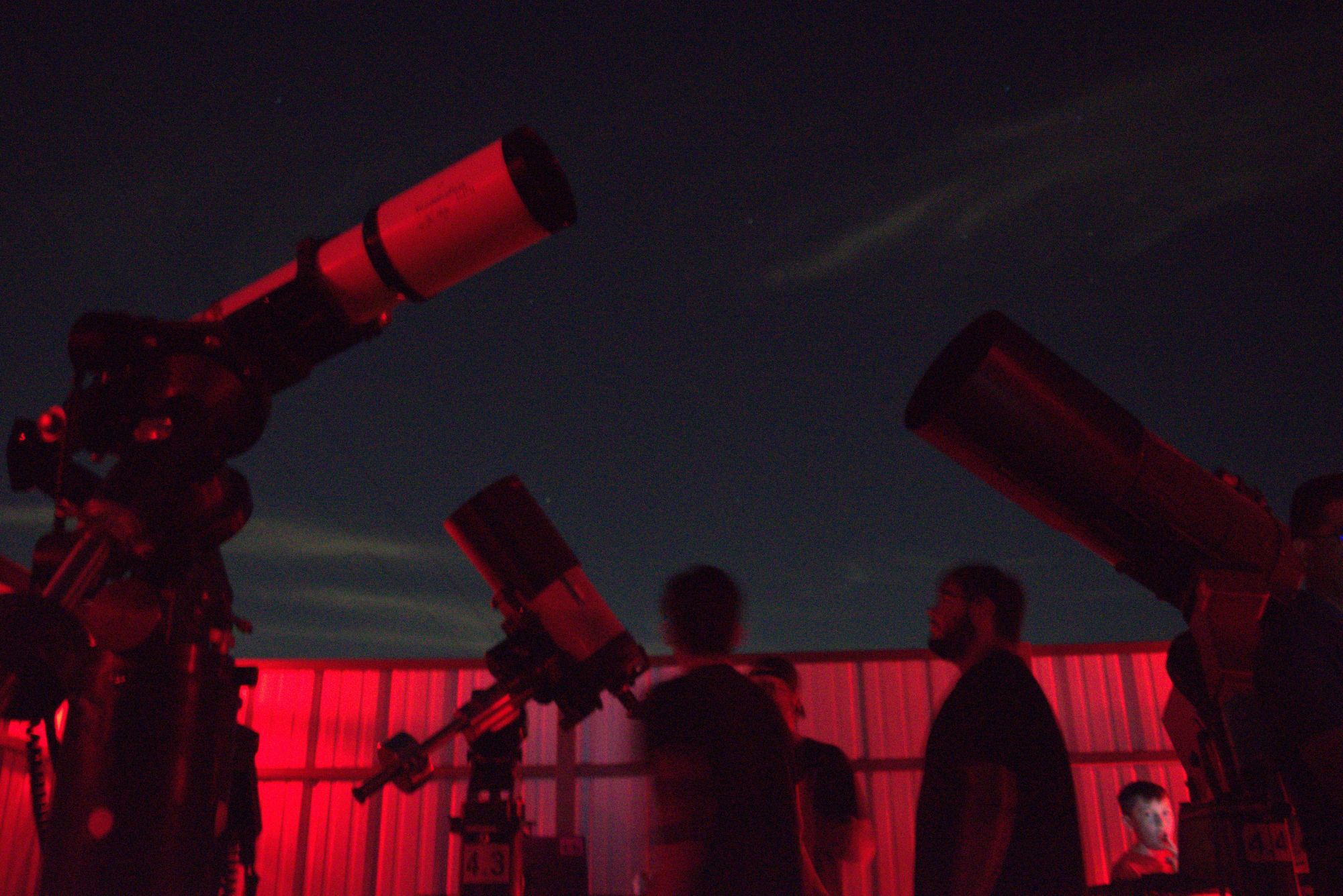
The University of North Texas observatory site outside Denton, open to the public for ticketed star parties on the first and third Saturday of each month. Staff and students run the telescopes and talk through the night sky, which makes it a good first stargazing night for kids or beginners. The university can cancel for weather, and it refunds tickets when it does, so check the day of the event.
Lyndon B. Johnson National Grassland
Scattered tracts of federal prairie and post oak woods in Wise County, northwest of the metroplex, managed by the Forest Service for hiking, horseback riding, fishing and camping. It is the least developed choice here: no gate to close at 10 p.m., and Forest Service campgrounds such as the TADRA Point trailhead and Black Creek Lake let you stay the night. The map pin marks the ranger district office in Decatur, not a viewing spot, and passing headlights on the county roads can interrupt a session, so scout a spot in daylight.
Cedar Hill State Park
A large park on the shore of Joe Pool Lake on the southwest edge of Dallas, and the easiest state park in this table to reach from Fort Worth after work. With 350 developed campsites you can stay past the 10 p.m. gate, but the sky here is the brightest of any state park listed because the metroplex surrounds it. Good for the Moon, planets and bright meteor showers; the park often fills, so reserve ahead.
Cleburne State Park
A spring-fed lake in wooded hills about half an hour southwest of Fort Worth, which makes it the quickest drive to a genuinely darker sky. The park is small and quiet, with trails through the forest and campsites with water and electricity, so an overnight stay is easy to arrange. Its darkness rating matches Dinosaur Valley and Lake Mineral Wells at a shorter drive than either.
Dinosaur Valley State Park
Best known for the dinosaur tracks in the Paluxy riverbed near Glen Rose, this park pairs a daytime outing with a dark night. Its ranger programs cover stars as well as tracks and wildlife, and the Fort Worth Astronomical Society holds a monthly star party here too. It is one of the busier parks near Fort Worth, so book a campsite well ahead if you want to stay after the gate closes.
Lake Mineral Wells State Park & Trailway
A lake park west of Fort Worth on the way into cattle country, with a rock climbing area, a 20-mile trailway and campsites and screened shelters for an overnight stay. Screened shelters make it a comfortable choice for a first night out with kids. Its sky rates the same as Cleburne and Dinosaur Valley, with a ranger program list that covers the area's nature and history.
Palo Pinto Mountains State Park
The newest state park near Fort Worth, about 75 miles west of the metroplex on 4,871 acres of former ranchland, and the park itself lists night skies among its draws. Hike-in primitive sites put you well away from campground lights. It is too new to appear on the state's sky darkness list, so the rating column is blank, but its distance from any large town is a good sign.
Possum Kingdom State Park
A lake park in the canyon country of the Brazos River, west of the metroplex, with clear blue water, cabins and several kinds of campsites. Its sky ties with Meridian for the darkest rating in this table short of Copper Breaks. The park publishes office and store hours but not gate hours, so call ahead if you plan to arrive after dark without a campsite.
Fort Richardson State Park
A frontier Army post near Jacksboro, northwest of Fort Worth, with restored buildings to tour by day and a cabin or campsite to stay in at night. It is one of the cheapest entries here. The park does not publish gate hours beyond saying it is open daily, so check with the office before planning a late arrival.
Meridian State Park
A small, quiet park around a 72-acre lake among limestone bluffs at the top of the Hill Country, about 50 miles northwest of Waco. It ties with Possum Kingdom for the darkest rating in this table short of Copper Breaks, and with cabins, screened shelters and campsites it is an easy place to spend a full night out. It is farther than Cleburne or Dinosaur Valley, which keeps it calmer on weekends.
Lake Whitney State Park
Prairie and oak mottes on the shore of 23,500-acre Lake Whitney, between Fort Worth and Waco. The park's own page lists seeing the stars among things to do, and the open prairie leaves plenty of sky in view. Cabins, screened shelters and plenty of campsites make an overnight stay simple.
Ray Roberts Lake State Park (Isle du Bois Unit)
A big lake park about an hour north of the metroplex, with several units; the Isle du Bois unit near Pilot Point is the one listed here. It is the closest dark-ish lake sky for north Fort Worth and Denton County, with plenty of campsites and a lodge. Its sky rates brighter than the parks to the west and south, the price of being so close to the northern suburbs.
Purtis Creek State Park
A bass-fishing lake about an hour southeast of Dallas, which a CBS Texas stargazing guide named as a popular spot with local amateur astronomers. It sits on the far side of Dallas from Fort Worth, so it suits east-side and Dallas-area stargazers best. Walk-in tent sites and primitive hike-in sites let you get away from campground lights.
Copper Breaks State Park
An International Dark Sky Park on the Texas plains near Quanah, and by far the darkest sky in this table, rated 2 on a scale where 1 is the darkest on Earth. The park runs monthly star parties from April through November plus other night sky programs. It is a weekend trip, not an evening one, at more than three hours from Fort Worth, so plan to camp.
How we researched this
We read each state park's own Texas Parks and Wildlife page for its address, adult entrance fee, gate hours and camping, and took every darkness value from the agency's statewide Bortle ratings list. For the other sites we read the Forest Service grassland pages, the University of North Texas astronomy pages, the Friends of Tandy Hills site, the Fort Worth Astronomical Society site and its NASA Night Sky Network event listings, and used roundups from 360 West, Telescope Advisor and CBS Texas only to find candidates. Each value is recorded with the sentence it came from, and drive times are computed road routes from Fort Worth.
We left out the Noble Planetarium at the Fort Worth Museum of Science and History because it is an indoor show and its site could not be read securely, the Comanche Springs Astronomy Campus because it has no working public site, Frisco Commons Park and Murrell Park because they serve Dallas-side stargazers, and Palo Duro Canyon at about five hours away. A blank cell means no source we read states that value; the Tandy Hills cost is blank even though every source calls its star parties free, because none states an admission figure. Fees, hours and star-party dates change, so confirm with the site before you go.