Hybrid SUVs with a third row 2026
Updated .
| Option | Price | Powertrain | Combined MPG | Horsepower | Max Seating | Drivetrain |
|---|---|---|---|---|---|---|
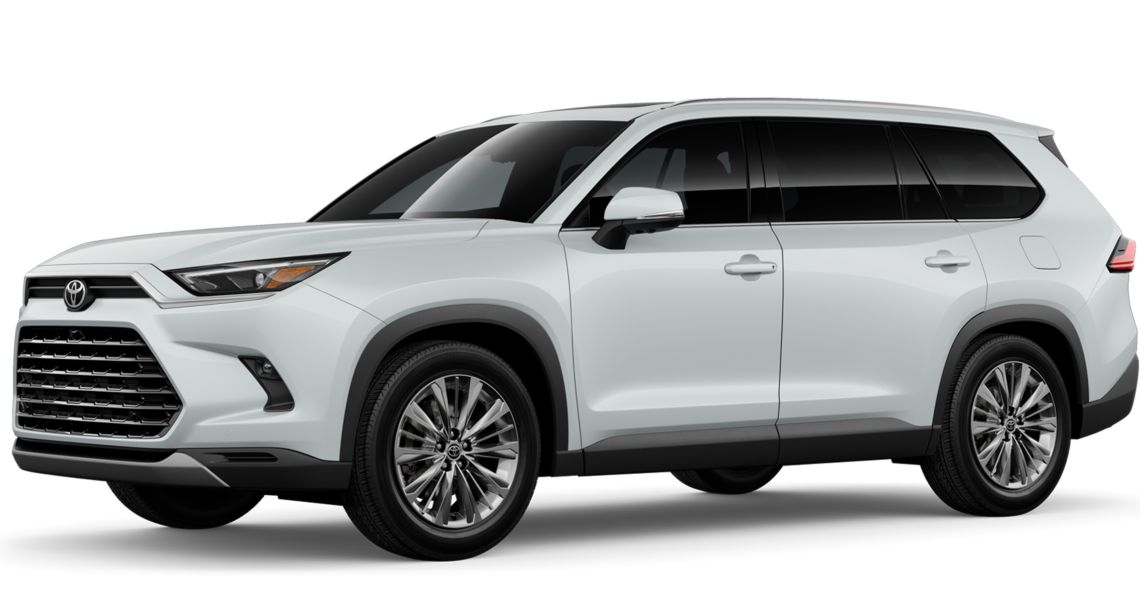
Toyota's larger three-row hybrid, built around a genuinely adult-sized third row with 33.5 inches of legroom rather than a token bench. The 245-horsepower 2.5-liter hybrid is the efficiency pick at a manufacturer-estimated 36 mpg combined; a 362-horsepower Hybrid MAX version sits above it for buyers who want acceleration and 5,000 pounds of towing instead, at a real cost in fuel economy. It seats up to eight, and front-wheel drive is standard with all-wheel drive available on both hybrid powertrains. | $44,710source | Hybridsource | 36source | 245source | 8source | Front-wheel drive standard, AWD availablesource |
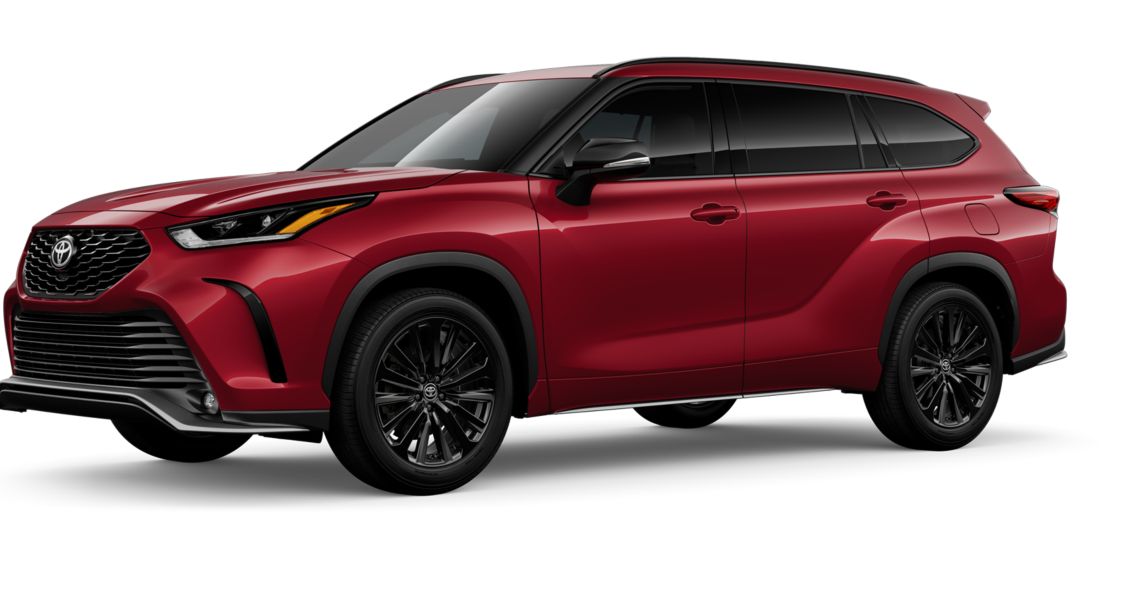
The smaller, older sibling to the Grand Highlander. For 2026 Toyota made all-wheel drive standard across the Highlander lineup and dropped the entry grades, so it now starts higher than it used to and higher than the roomier Palisade Hybrid. Its 2.5-liter hybrid produces 243 net combined horsepower, a manufacturer-estimated 35 mpg combined and up to 3,500 pounds of towing. The third row is noticeably tighter than the Grand Highlander's, which is the main reason to spend more on the bigger car. | $47,020source | Hybridsource | 35source | 243source | 8source | All-wheel drive standardsource |
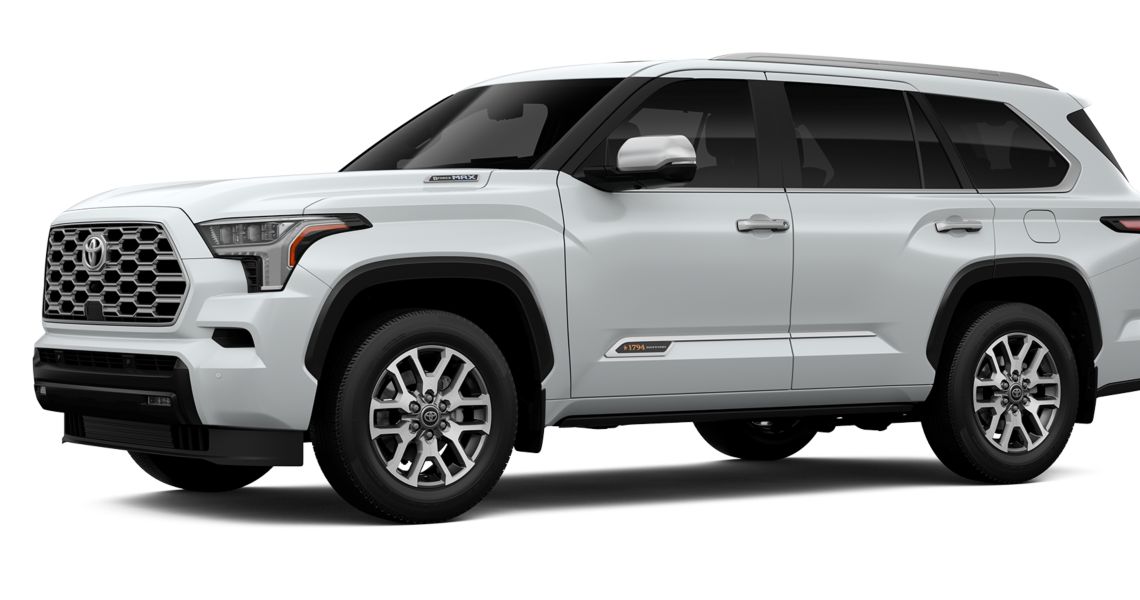
A full-size, body-on-frame SUV that is hybrid-only: every 2026 Sequoia uses the twin-turbo V6 i-FORCE MAX system making 437 horsepower and 583 lb-ft of torque. That buys towing capacity and a commanding driving position, but the payoff at the pump is modest at 22 mpg combined, the second-worst here. Car and Driver's main criticism is the back third of the car: the solid rear axle intrudes on third-row space, and cargo room behind that seat is limited. Rear-wheel drive is standard with part-time four-wheel drive available. | $65,725source | Hybridsource | 22source | 437source | 8source | Rear-wheel drive standard, 4WD availablesource |
The first hybrid version of Hyundai's three-row Palisade, all-new for 2026, and the value pick among the larger vehicles here. Its turbocharged 2.5-liter hybrid makes 329 horsepower, more than any other non-luxury option on this list except the Sequoia, and Hyundai quotes up to 619 miles of range and 4,000 pounds of towing. It seats seven or eight, with front-wheel drive standard and HTRAC all-wheel drive available. Car and Driver named it to its 2026 10Best list. | $44,160source | Hybridsource | 34source | 329source | 8source | Front-wheel drive standard, AWD availablesource |
The cheapest way onto this list by a wide margin, and one of the smallest vehicles on it. A turbocharged 1.6-liter hybrid makes 231 horsepower and an EPA-estimated 36 mpg combined, matching much larger three-rows for efficiency. The trade-off is space: the third row seats seven only at a squeeze, and Car and Driver rates its acceleration as adequate rather than quick, noting the non-hybrid Santa Fe is the faster car. Front-wheel drive is standard, with all-wheel drive an easy option. | $36,400source | Hybridsource | 36source | 231source | 7source | Front-wheel drive standard, AWD availablesource |
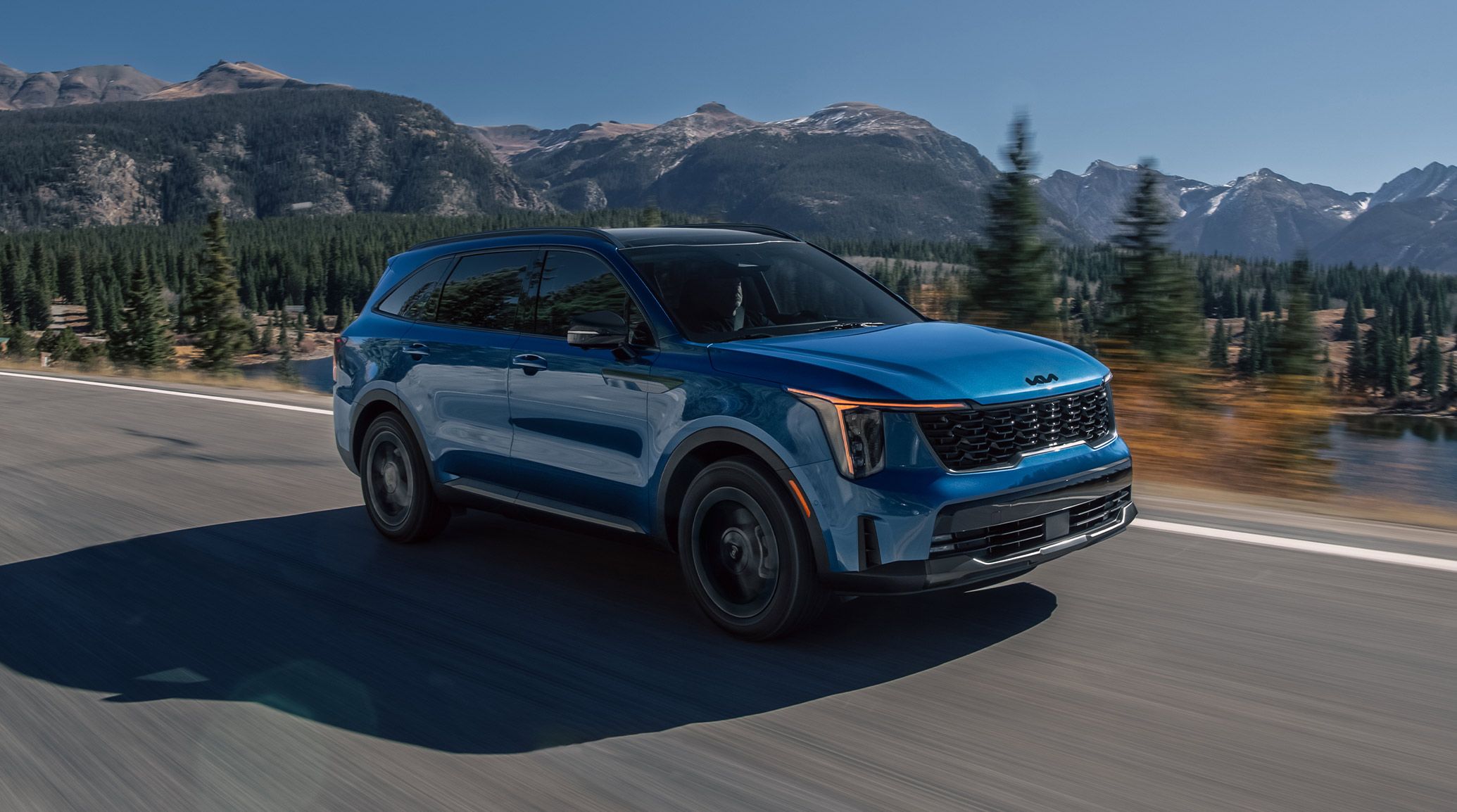
Mechanically close to the Santa Fe Hybrid but wrapped in a more conventional SUV shape, and the mileage champion of this group at an EPA-estimated 37 mpg combined. Its 1.6-liter turbo hybrid makes 227 horsepower, the least of anything here, and front-wheel drive is standard with all-wheel drive optional. Seven-passenger seating with a third row is standard, though like the Santa Fe that back row is really sized for children. Car and Driver notes some torque steer under hard acceleration in front-drive versions. | $38,890source | Hybridsource | 37source | 227source | 7source | Front-wheel drive standard, AWD availablesource |
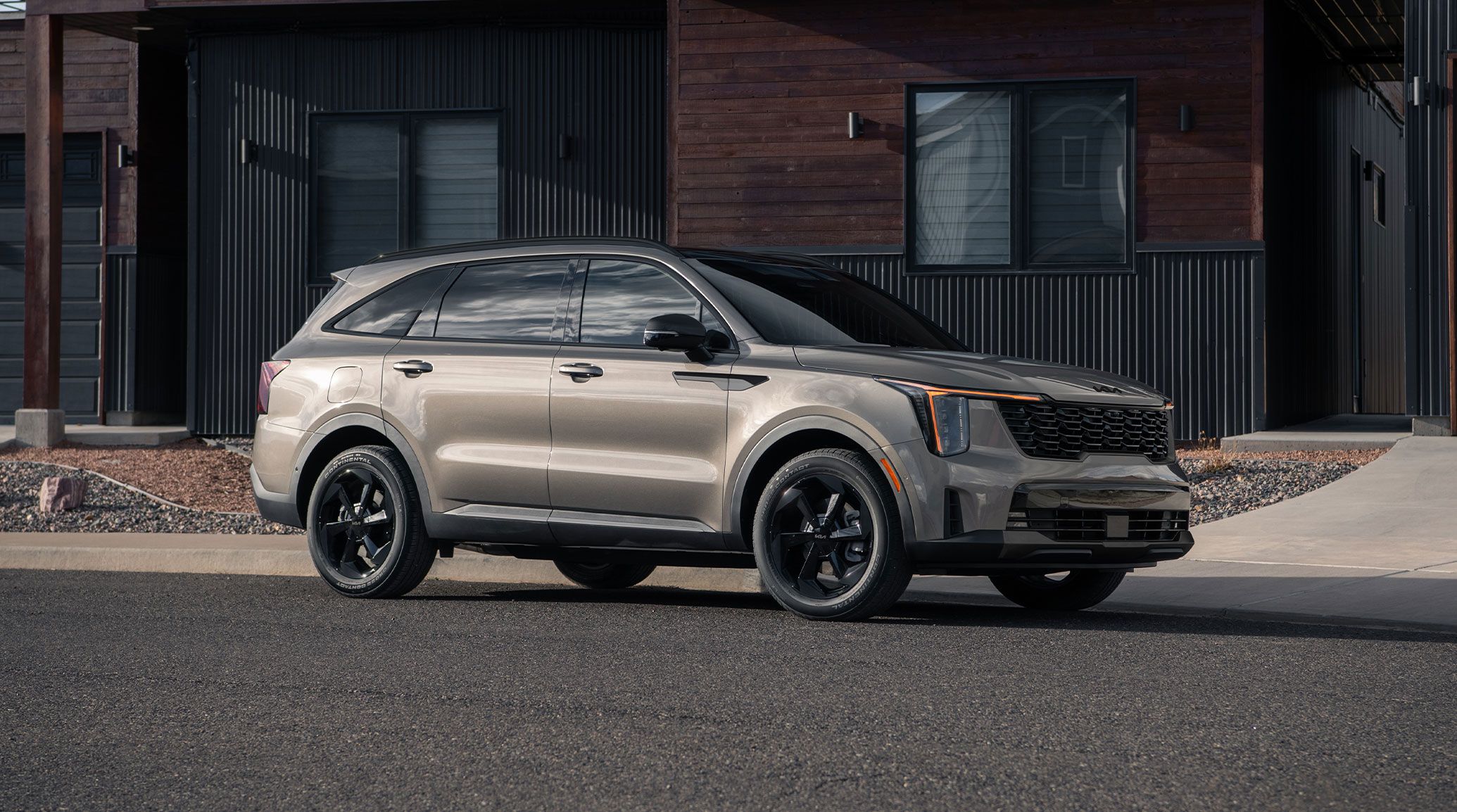
The same Sorento with a larger battery and a stronger electric motor: 261 horsepower, standard all-wheel drive, and an EPA-estimated 31 miles of electric range before the gas engine takes over. That makes it a real electric commuter that can still cover a quoted 440 miles of total range on a trip. The costs are that it asks roughly $9,400 more than the conventional Sorento Hybrid and that once the battery is empty it returns 33 mpg rather than 37. Seven-passenger seating is standard. | $48,290source | Plug-in hybridsource | 33source | 261source | 7source | All-wheel drive standardsource |
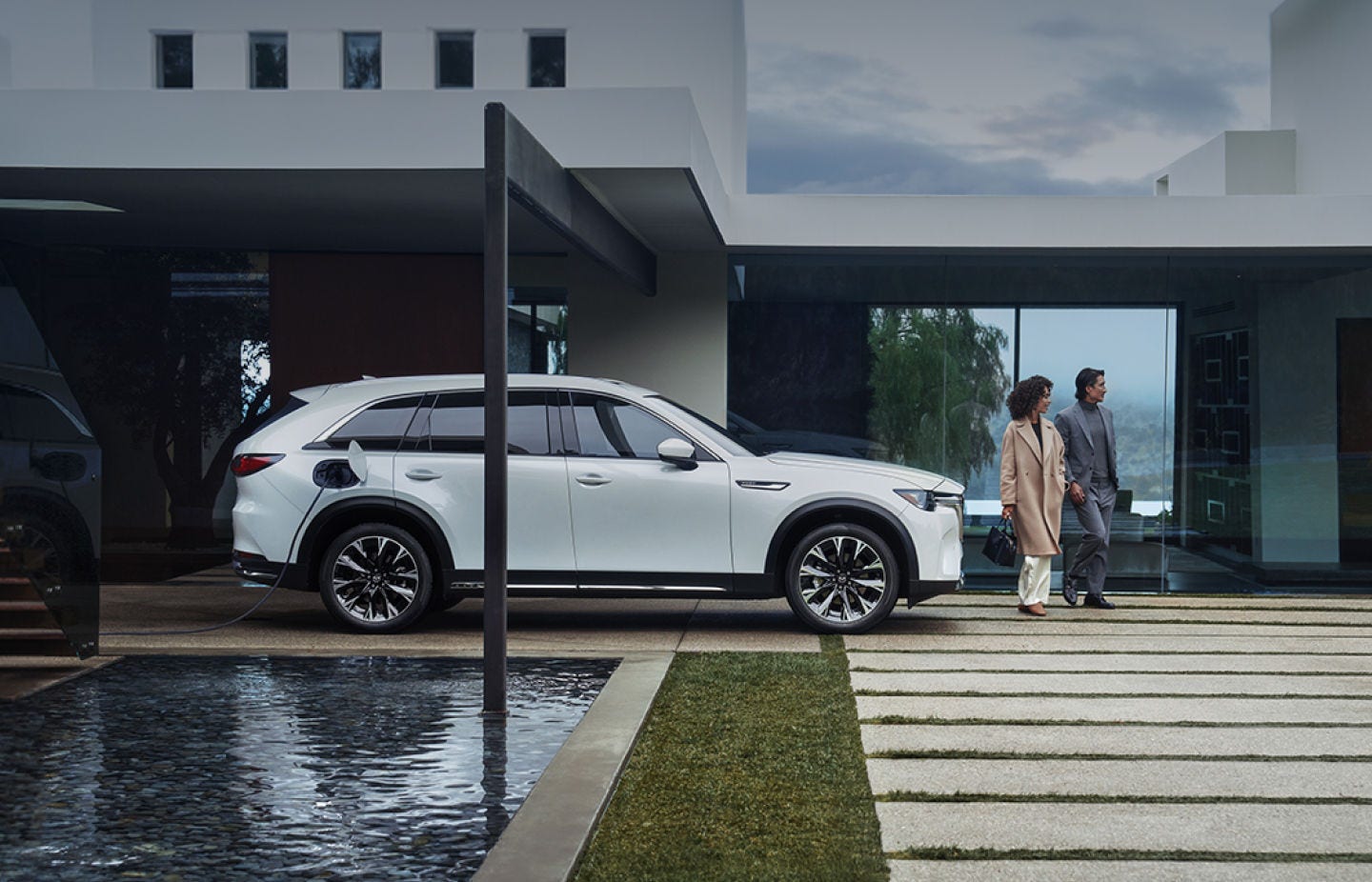
Mazda's largest SUV, and the one here aimed at the driver first: long-hood, rear-biased proportions, standard i-Activ all-wheel drive and 323 horsepower from a 2.5-liter plug-in hybrid. It seats seven and carries a 56 MPGe combined rating, falling to 26 mpg once the battery is depleted. One thing to watch when shopping: Mazda also sells the CX-90 with a mild-hybrid inline-six that cannot run on electricity at all, so the PHEV badge is what separates the two. | $50,695source | Plug-in hybridsource | 26source | 323source | 7source | All-wheel drive standardsource |
New for 2026 and, by Nissan's own claim, the only plug-in hybrid in its class offering three rows. It pairs 248 horsepower and standard Intelligent All-Wheel Drive with an EPA-estimated 38 miles of electric range and 420 miles of total range. The catch is size: this is a compact SUV wearing a third row, and cargo space behind that row is 12.8 cubic feet, among the tightest here. It arrives in two grades, SL and Platinum, with no cheaper entry point. | $45,990source | Plug-in hybridsource | 26source | 248source | 7source | All-wheel drive standardsource |
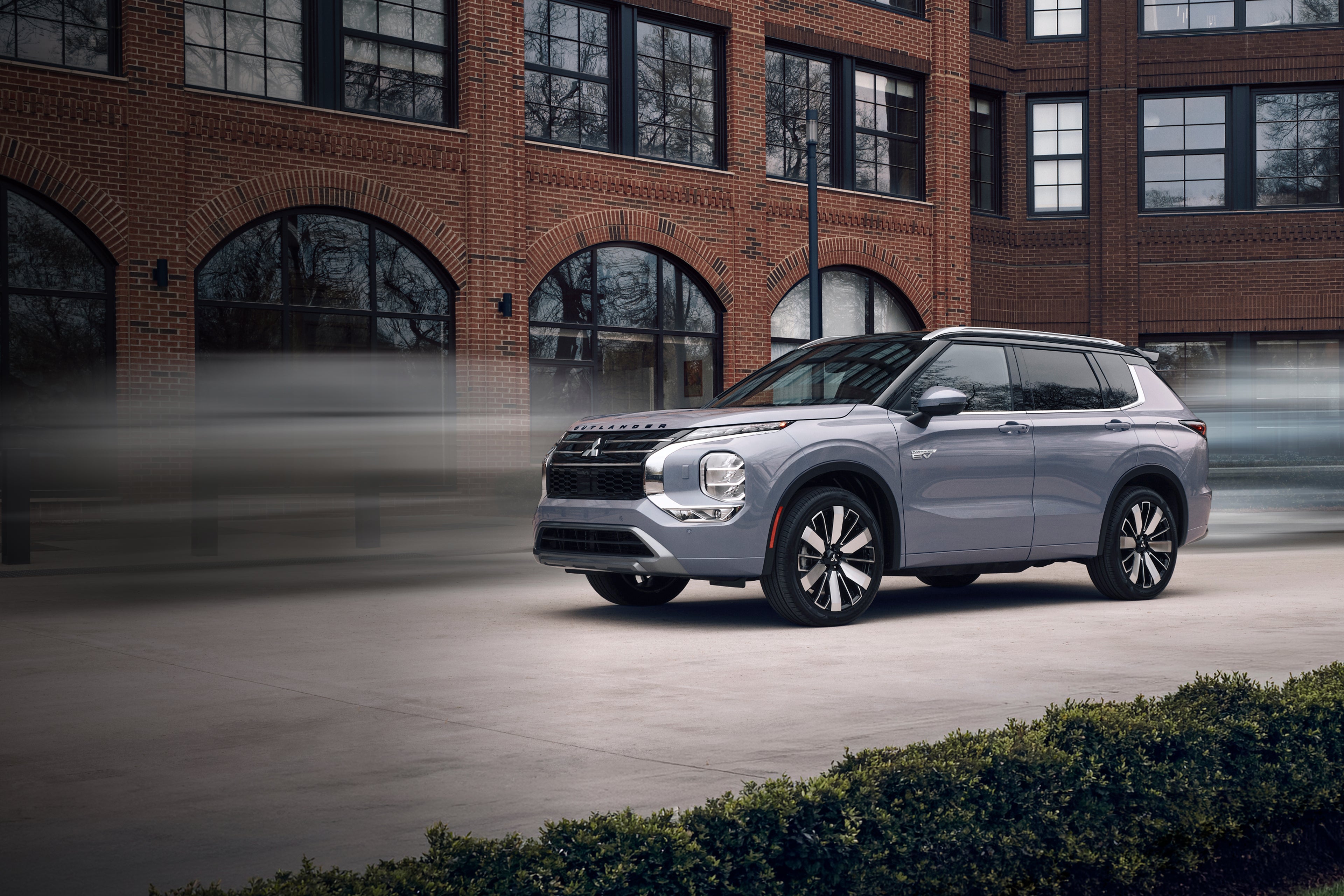
Mitsubishi's flagship, substantially updated for 2026 with a 22.7-kWh battery that lifts electric range to 45 miles, the longest on this list, and raises total system output to 297 horsepower. Super All-Wheel Control is standard on every trim, and Mitsubishi also revised the steering and suspension for this model year. It seats seven, though the third row is small, and it undercuts every other plug-in hybrid here on price while carrying a 10-year powertrain warranty. | $43,245source | Plug-in hybridsource | 27source | 297source | 7source | All-wheel drive standardsource |
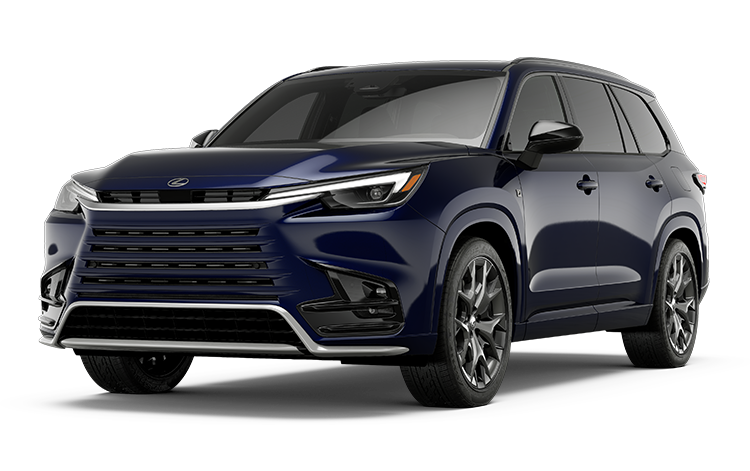
The luxury interpretation of the Grand Highlander, sharing that car's platform and assembly plant but with a 366-horsepower turbocharged hybrid and DIRECT4 all-wheel drive. It is sold only in F SPORT Performance trim, which is why it starts so far above the gas TX 350, and it offers 20.2 cubic feet of cargo space behind a third row that seats up to seven. Note that the 500h is the middle powertrain in the TX range: a gas TX 350 sits well below it and a TX 550h+ plug-in hybrid above it. | $72,010source | Hybridsource | 27source | 366source | 7source | All-wheel drive standardsource |
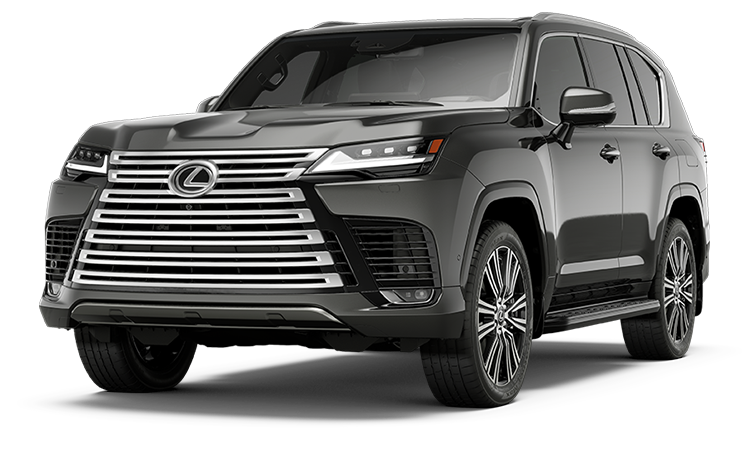
The most expensive and most capable vehicle on this list: a body-on-frame flagship whose twin-turbocharged 3.4-liter V6 hybrid produces 457 net combined horsepower and 583 lb-ft. It seats seven in most grades, and the Overtrail grade, offered exclusively on the 700h, can be specified with two or three rows and adds front and rear locking differentials and 33-inch all-terrain tires. Fuel economy is the worst here at 20 mpg combined, and Car and Driver reports that third-row headroom and the cargo space behind it are tight in the LX. A four-seat Ultra Luxury grade sits at the top of the range for buyers being driven rather than driving. | $117,285source | Hybridsource | 20source | 457source | 7source | All-wheel drive standardsource |
Volvo's long-running three-row luxury SUV in T8 plug-in hybrid form, making up to 455 horsepower with all-wheel drive standard on every XC90 regardless of powertrain. Volvo quotes 32 miles of electric range and a 58 MPGe rating, and it can be ordered with six or seven seats. It is the second most expensive vehicle here, and its gas-only figure of 27 mpg is ordinary for the money, so the case for it rests on the cabin, the safety reputation and short electric commutes rather than on running costs. | $77,595source | Plug-in hybridsource | 27source | 455source | 7source | All-wheel drive standardsource |