Best time for fall colors near Port Orange, FL
Updated .
| Option | Entrance Fee | Typical Color Window | Region | Land Type | Size | Address |
|---|---|---|---|---|---|---|
The closest thing to a fall drive that Port Orange has: a 30-mile double loop just north of Daytona Beach that runs through four state parks and six local parks along creeks, marshes, beaches and the Halifax River. What turns color here is red maple, pignut hickory and oak rather than a hillside of leaves, and the route is an official Florida Scenic Highway and National Scenic Byway. WFSU describes it as a popular route for locals and cycling enthusiasts. It costs nothing and takes an afternoon, which makes it the sensible first look before committing to a long drive north. | Early wintersource | Volusia Countysource | Scenic bywaysource | Ormond Beach, FLsource | ||
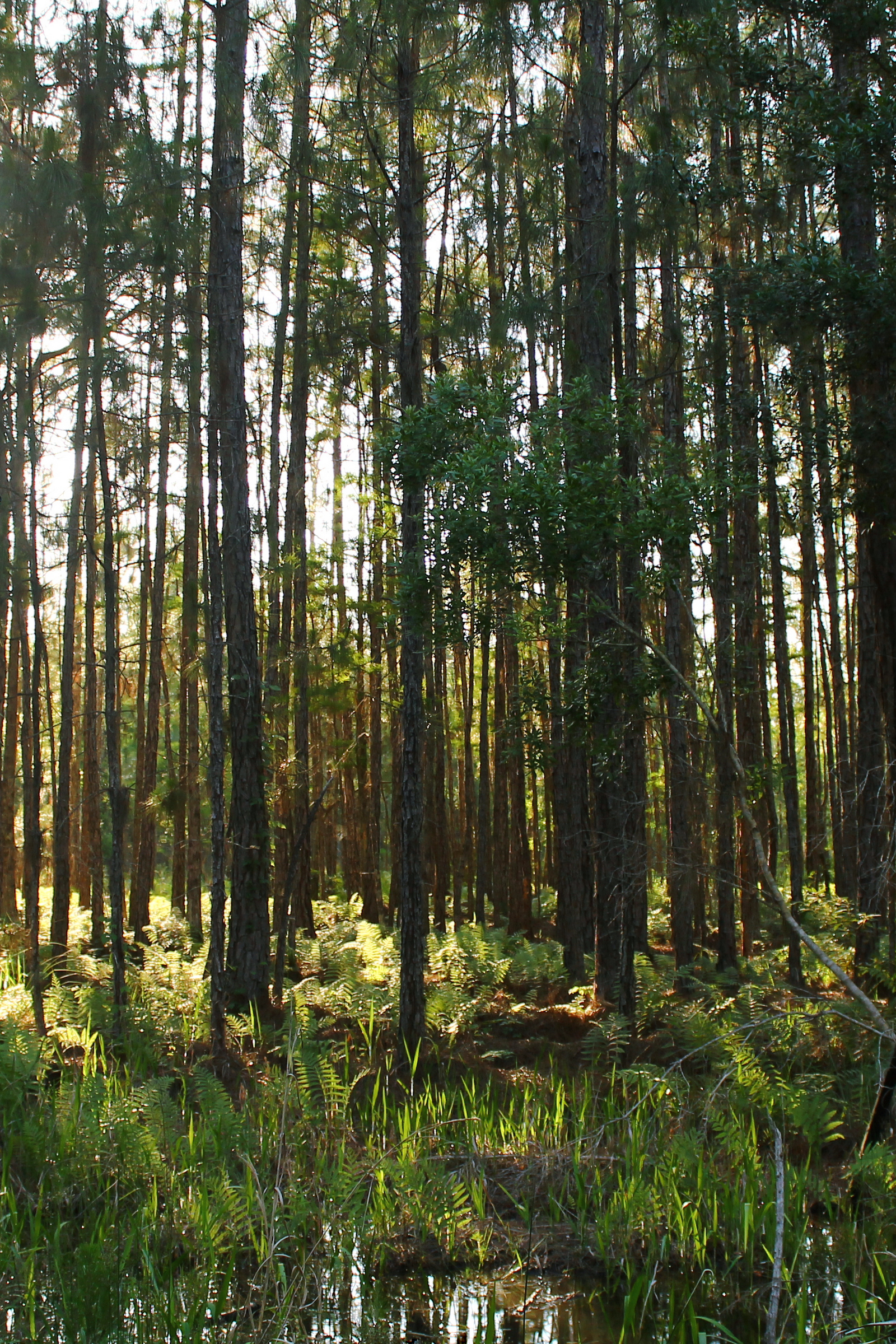
A working state forest of more than 28,000 acres that begins about seven miles west of Daytona Beach, making it the nearest large block of woods to Port Orange. Day use runs sunrise to sunset, entry is a $2 day pass good at every Florida state forest, and four access points sit off U.S. Highway 92. This is a quiet, low-key place rather than a scenic destination: flatwoods, swamp and forest roads, with whatever color the hardwood and cypress edges give up once the weather finally turns. Camping is bookable through ReserveAmerica. | $2source | Early wintersource | Volusia Countysource | State forestsource | 28,365source | 4316 W. International Speedway Blvd., Daytona Beach, FL 32124source |
A 22,000-acre refuge on the St. Johns River near DeLeon Springs, about 40 minutes from Port Orange, established in 1964 as a migratory bird refuge with Federal Duck Stamp money. The habitat is marsh, swamp, creeks, hammocks and uplands rather than upland hardwood forest, so autumn here is as much about the birds arriving as about leaves. The dikes above the impoundments give long open views, which is unusual this close to the coast. The refuge does not post an entrance fee on its own pages. | Early wintersource | Volusia Countysource | National wildlife refugesource | 22,000source | 2045 Mud Lake Road, De Leon Springs, FL 32130source | |
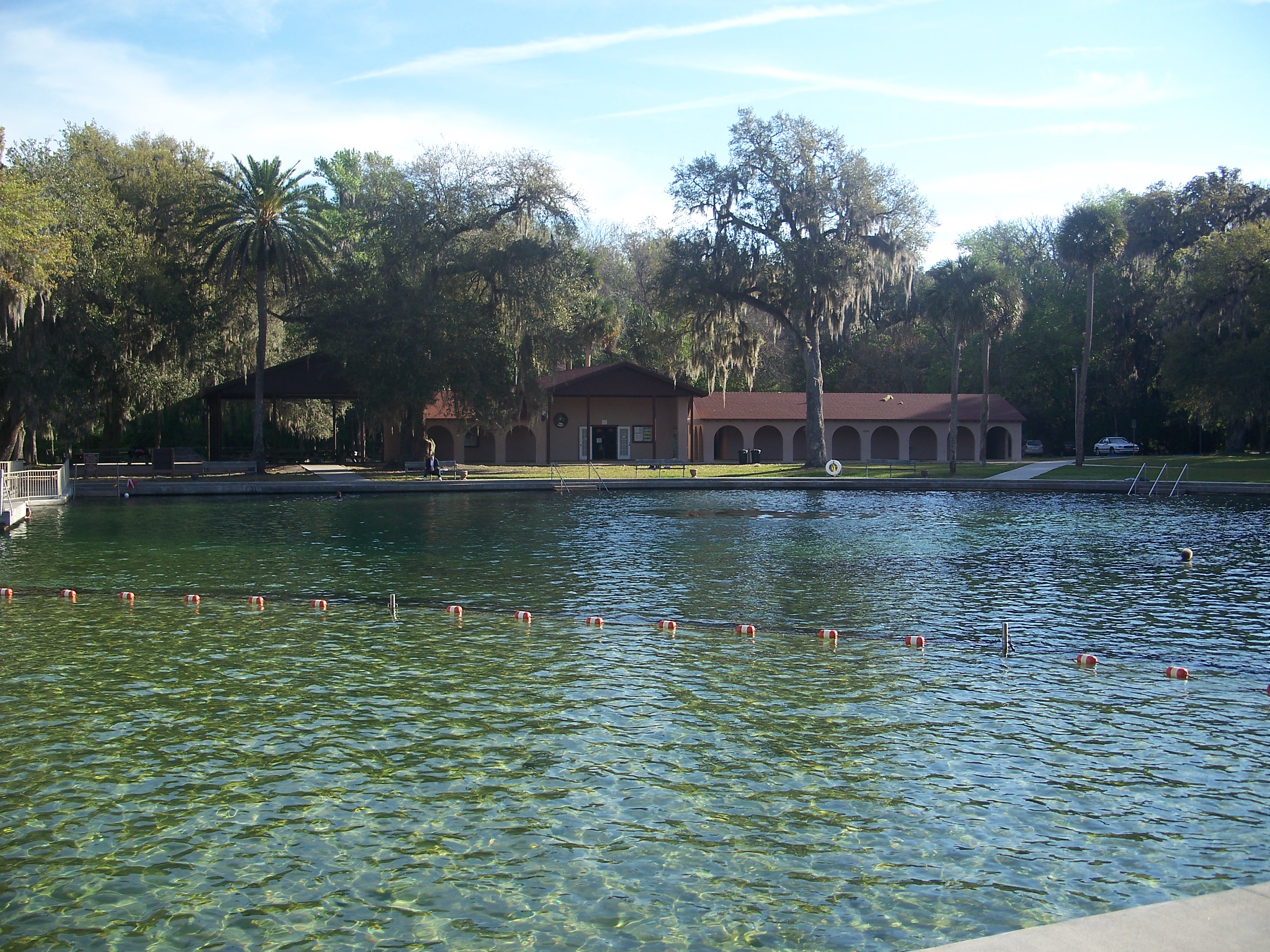
A 625-acre park in Volusia County built around a 72-degree spring, about 45 minutes from Port Orange. Its trails run through lush subtropical forest that includes a massive old-growth bald cypress, and bald cypress is one of the few Florida trees that changes reliably, going rust-orange before dropping its needles. The park's own description leans on the swimming area, the spring and the Civil War-era mill history rather than on foliage, so treat the color as a bonus on a half-day trip. Entry is $6 per vehicle. | $6source | Early wintersource | Volusia Countysource | State parksource | 625source | 601 Ponce De Leon Blvd., De Leon Springs, FL 32130source |
Best known as the winter gathering place for manatees, which crowd into the 73-degree spring run as the St. Johns River cools, in exactly the weeks Central Florida's leaves finally turn. That overlap is the argument for coming in late November or December: one trip, two seasonal events. It sits west of Orange City, about 45 minutes from Port Orange, and it fills fast, the park frequently reaches capacity and may close temporarily during high visitation. Entry is $6 per vehicle. | $6source | Early wintersource | Volusia Countysource | State parksource | 2100 W. French Ave., Orange City, FL 32763source | |
A 1,648-acre island in the St. Johns River six miles west of DeLand, reachable only by boat or the park-operated passenger ferry. The island holds pine flatwoods, palm and oak hammocks, bald cypress swamps and marshes, and it is the cypress that carries the seasonal change here. There is no entrance fee, and a 3.4-mile nature trail plus tent sites and six rustic cabins make it an easy overnight. Because you arrive on foot, it is a slower and quieter visit than the drive-up parks nearby. | Freesource | Early wintersource | Volusia Countysource | State parksource | 1,648source | 2309 River Ridge Road, DeLand, FL 32720source |
A 59-acre park in Palatka built into a steep natural ravine, with WPA-era cypress buildings, rock gardens, fieldstone terraces and a 64-foot obelisk dedicated to Franklin D. Roosevelt. The ravine walls mean you look across a forest canopy rather than up at it, which is rare in Florida and makes modest color read better than it would on flat ground. Its reputation is built on the azaleas that bloom in February, not on autumn, so a November visit is a quiet one. Entry is $5 per vehicle and it is about 80 minutes from Port Orange. | $5source | Early wintersource | Central Floridasource | State parksource | 59source | 1600 Twigg St., Palatka, FL 32177source |
The oldest national forest east of the Mississippi and the southernmost in the continental United States, covering 607 square miles that start about an hour from Port Orange. Most of it is sand pine scrub, which does not change color at all, but the spring runs and swamps threaded through it hold cypress and tupelo that go yellow and orange late in the season. Aim for the water rather than the uplands: Juniper Springs, Alexander Springs and Silver Glen. There is no single entrance gate, and day-use fees are charged at individual recreation areas rather than for the forest as a whole. | Early wintersource | Central Floridasource | National forestsource | Silver Springs, FLsource | ||
The headspring of one of the largest artesian spring systems in the world and Florida's first major tourist attraction, now a state park on the Silver River in Marion County, about 90 minutes from Port Orange. The state bought roughly 5,000 acres around the spring in 1985 to keep it from being developed, so the river corridor is intact hardwood and cypress rather than housing. Glass-bottom boats run year-round, which makes a cool, clear day in late November a good time to be on the water rather than walking. At $8 per vehicle it is the most expensive entry on this list. | $8source | Early wintersource | Central Floridasource | State parksource | 5656 E. Silver Springs Blvd., Silver Springs, FL 34488source | |
A 7,000-acre park 20 minutes north of Orlando, and the Central Florida site news coverage keeps naming for fall color: ClickOrlando sends readers here for the yellows and oranges among the cypress and maple trees. It holds the headwaters of the Wekiva River, so the color you get is riverine, cypress and maple following the water rather than a hillside of hardwood. At roughly 90 minutes from Port Orange it is a realistic day trip, and it is busy on cool weekends. Entry is $6 per vehicle. | $6source | Early wintersource | Central Floridasource | State parksource | 7,000source | 1800 Wekiwa Circle, Apopka, FL 32712source |
Nearly 11,000 acres of lakes, marsh and swamp on the Withlacoochee River near Inverness, with 22 miles of multi-use trails and a place on the Great Florida Birding and Wildlife Trail. It is the one site in this half of the state where a reporting source gives an actual date: WFSU says its hardwoods and cypress start to change in late October, weeks ahead of the rest of Central Florida. That makes it the best October option that does not involve driving to the Panhandle, at roughly two hours from Port Orange. | Late Octobersource | Central Floridasource | Nature preservesource | 11,000source | Inverness, FLsource | |
A 21,000-acre savanna between Micanopy and Gainesville, and a different kind of autumn: open wet prairie ringed by hardwood hammock. The color comes from the hammock edge and the rim trails rather than from the prairie itself, and the observation tower lets you take in the whole basin at once. Gainesville sits in the band where Florida's leaves turn soon after the Panhandle, so the first half of November is the window rather than December. Entry is $6 per vehicle, about two hours from Port Orange. | $6source | Late October to mid-Novembersource | North Floridasource | State parksource | 21,000source | 100 Savannah Blvd., Micanopy, FL 32667source |
Where the Withlacoochee meets the Suwannee near Live Oak, about three hours from Port Orange, and one of the state's better backcountry canoeing parks. Cypress and southern magnolia line the water, and the limestone banks give you enough elevation to look down a river corridor rather than across flat ground. It is far enough north that color arrives in the late-October-to-mid-November band rather than in December, which is the practical reason to drive it. Entry is $5 per vehicle. | $5source | Late October to mid-Novembersource | North Floridasource | State parksource | 3631 201st Path, Live Oak, FL 32060source | |
A 6,000-acre wildlife sanctuary south of Tallahassee built around one of the world's largest and deepest freshwater springs, a National Natural Landmark and a National Register site. For autumn WFSU points to its red sugar maples, the tan leaves of its beech trees and beautyberry bushes that turn purple once the weather cools, a gentler palette than Torreya's. It is about four and a half hours from Port Orange, which puts it firmly in overnight territory. Entry is $6 per vehicle. | $6source | Late October to mid-Novembersource | Florida Panhandlesource | State parksource | 6,000source | 465 Wakulla Park Drive, Wakulla Springs, FL 32327source |
The one Florida park everyone names for fall color, and with reason: high bluffs and deep ravines above the Apalachicola River on the southernmost edge of the Appalachian range, where the park's own page claims the finest display of fall color found in Florida. WFSU says the southern sugar maple, sweetgum and sourwood start turning in late October, the earliest reliable color in the state. It is roughly five and a half hours from Port Orange, so this is a weekend, not a day trip. At $3 per vehicle it is also the cheapest entry here, and the landscape is still recovering from Hurricane Michael. | $3source | Late Octobersource | Florida Panhandlesource | State parksource | 13,735source | 2576 N.W. Torreya Park Road, Bristol, FL 32321source |
A small Panhandle park whose draw is the highest waterfall in Florida, dropping into a 100-foot-deep sinkhole with a cave at the bottom. The trails run over rolling hills that feel nothing like peninsular Florida, and WFSU lists it among the state's fall spots for the brightly colored leaves along those trails. At six hours from Port Orange it only makes sense paired with Torreya, which is an hour away, on the same weekend. Entry is $5 per vehicle. | $5source | Late October to mid-Novembersource | Florida Panhandlesource | State parksource | 171source | 1130 State Park Road, Chipley, FL 32428source |