Best password managers for small business
Updated .
| Option | Price | Free Trial | Single Sign-On | User Provisioning | Where Data Is Stored |
|---|---|---|---|---|---|
The safe default for a team that wants a polished app and identity-provider integration without running any infrastructure. Unlock with SSO lets staff sign in through Okta, Entra ID, OneLogin or Duo, and every employee gets a free Families account for personal use, which is how most admins get people to actually adopt it. It is the most expensive seat in this comparison, and the code is closed, so your security assurance rests on 1Password's published audits rather than on anything you can read yourself. | $8.99source | 14source | Included in this plansource | Included in this plansource | Vendor cloudsource |
The open-source option a small team can grow into: the server code is public, the individual apps stay free, and Teams adds shared collections, event logs and SCIM provisioning at the lowest seat price of the mainstream vendors. The catch for Teams buyers is that SSO login sits one tier up in Enterprise, so a company that needs SAML sign-in pays more. Self-hosting on your own Docker host is documented and supported, which is why Bitwarden is the usual pick for a business with someone technical who wants the vault in-house. | $4source | 14source | Higher tier onlysource | Included in this plansource | Vendor cloud or self-hostedsource |
Keeper sells the most admin machinery of the mid-priced options: delegated administration, granular role policies, shared team folders and a long menu of paid add-ons such as dark web monitoring, advanced reporting and compliance reporting. It runs as a managed service on AWS and lets an organization pick which region hosts its tenant, which matters to companies with data-residency rules. Watch the tier line before buying: SSO, SCIM and Active Directory sync all belong to Keeper Enterprise, and several reporting capabilities are add-ons rather than included. | $4source | 14source | Higher tier onlysource | Higher tier onlysource | Vendor cloudsource |
Dashlane has rebuilt its business line around credential risk: the Password Management plan is the vault with SSO and SCIM included, while a separate Credential Protection plan watches the browser for exposed and phished credentials on domains outside your SSO. That split suits a company that already runs an identity provider and wants coverage for everything it does not cover. It is one of the pricier seats here, and the plans were renamed recently, so older reviews and price quotes often describe products Dashlane no longer sells. | $8source | 14source | Included in this plansource | Included in this plansource | Vendor cloudsource |
From the Nord Security family, NordPass Business is a straightforward cloud vault with group and folder sharing, password health and breach monitoring, and a Vanta integration for companies working toward SOC 2. Pricing moves with commitment length, so the seat price depends on whether you sign for one year or two, and the cheaper Teams tier is sold only as a fixed ten-user pack. A small company that already runs Entra ID or Okta should price the Enterprise tier instead, because that is where SAML sign-in and directory-driven user management start. | $3.99source | 14source | Higher tier onlysource | Higher tier onlysource | Vendor cloudsource |
Proton sells privacy as the product, and Pass Essentials is the cheapest paid seat in this table: unlimited logins, secure vault and link sharing, a built-in 2FA authenticator, dark web monitoring and unlimited hide-my-email aliases, from the Swiss company behind Proton Mail and Proton VPN. The rate shown is a discounted annual price and the plan needs at least three users. An IT-managed company will feel the tier line quickly, because SSO, SCIM, activity logs, enterprise policies and SIEM export all belong to Pass Professional. | $1.99source | 14source | Higher tier onlysource | Higher tier onlysource | Vendor cloudsource |
The cheapest seat here from a large vendor, and an obvious first stop for a business already living in Zoho or Microsoft 365: Standard covers team sharing, passkey management, centralized admin controls, expiry alerts and activity reports for well under a dollar per user. The trade-off is how much sits above it. Folder sharing and user groups are Professional, and directory sync, single sign-on and request-and-release workflows are Enterprise, so an IT-run company will not stay on Standard for long. | $0.9source | 15source | Higher tier onlysource | Higher tier onlysource | Vendor cloudsource |
One of the best-known names in the category, with the deepest small-business admin feature set: over a hundred policies, group management, directory integrations, federated login and LastPass itself acting as a sign-on portal for a few apps. It also carries the heaviest baggage. In the 2022 incident an attacker copied a backup of customer vault data, and although the sensitive fields inside were encrypted, plenty of teams migrated away afterwards. Choose it for the admin controls and the migration tooling, not for a clean security record. | $7source | 14source | Included in this plansource | Included in this plansource | Vendor cloudsource |
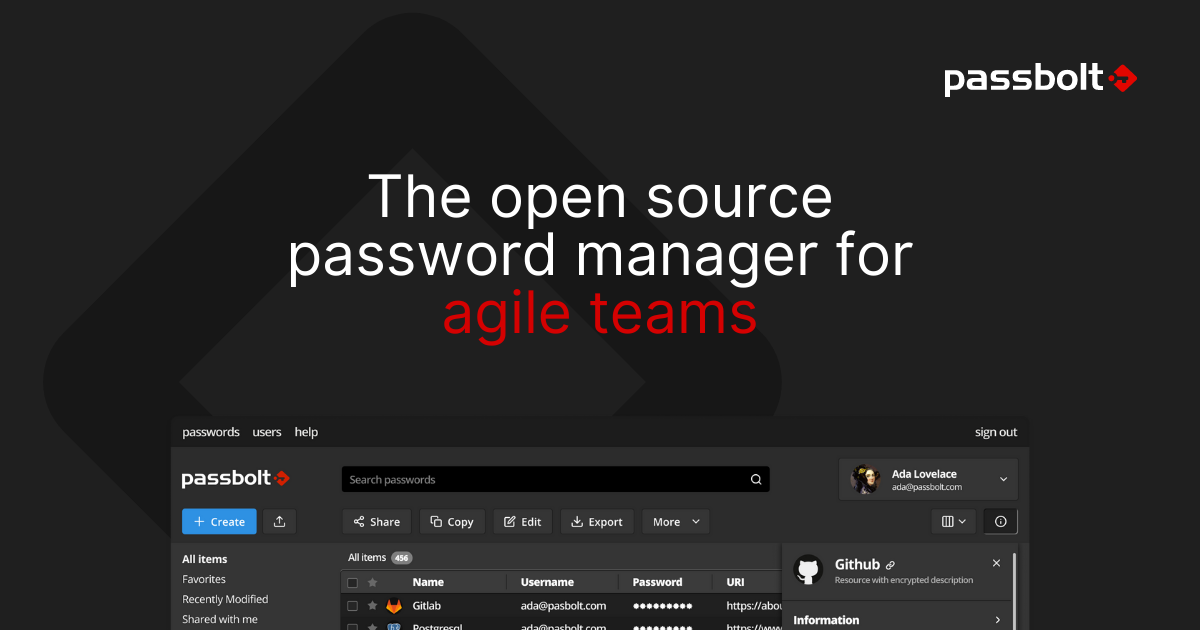
Passbolt is built for technical teams that want to run the password server themselves: the code is open source under AGPL, the Community Edition is free with unlimited users, and Pro adds LDAP provisioning, SSO with Microsoft, Google or OpenID, an activity log for audits, account recovery and a VM appliance. A managed cloud is available if you would rather not operate it. The Pro price applies from a ten-user minimum, and the everyday polish, mobile apps and autofill included, is a step behind the consumer-facing vendors. | $4.9source | 14source | Included in this plansource | Included in this plansource | Vendor cloud or self-hostedsource |
Enpass is the architectural outlier: there is no Enpass vault server, and your organization's encrypted data sits in a Microsoft 365 or Google Workspace tenant you already own, with Enpass supplying the apps, admin console and audit layer on top. For a company with a rule about where credentials may live, that is the whole pitch, and it arrives with SSO, SCIM provisioning and offboarding cleanup at a low seat price. The flip side is that availability, backup and recovery of the vault become your cloud tenant's problem rather than a vendor's. | $1.99source | 30source | Included in this plansource | Included in this plansource | Your own cloud storagesource |
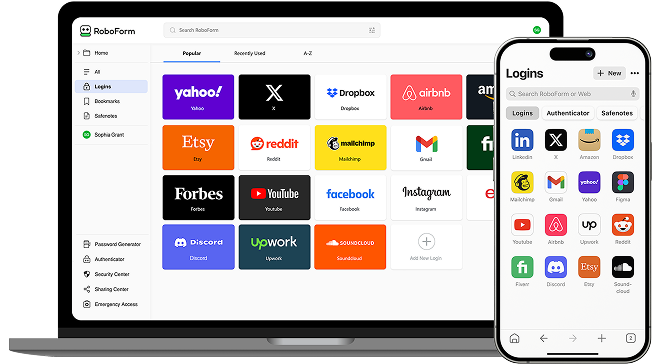
RoboForm grew out of a form filler and still leans on that heritage, but the business plan is unusually complete for the money: separate work and personal vaults, an admin center, role-based permissions, dark web monitoring, reports and audit, with single sign-on and SCIM in the same tier rather than gated upward. Nothing important is held back for an enterprise upsell except services and self-hosting, which RoboForm offers only for deployments of 1,000 or more users. The console and apps look their age next to the newer vendors here. | $3.33source | 14source | Included in this plansource | Included in this plansource | Vendor cloudsource |
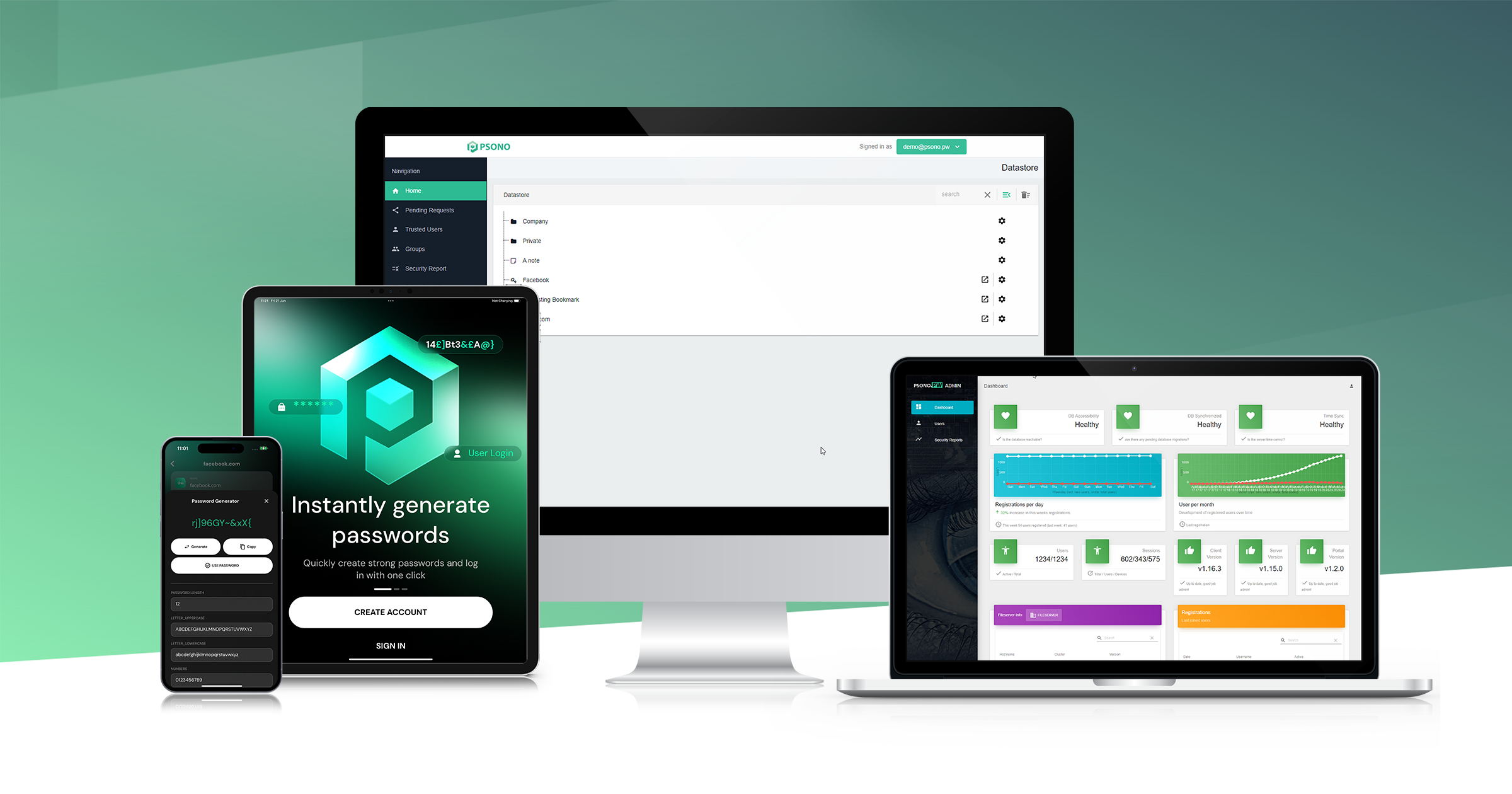
Psono is the free end of the market for a team willing to run a server. The enterprise edition costs nothing for up to ten users and still includes the full feature set: SAML, OIDC and LDAP sign-in, audit logging, policy enforcement and an SSH, RDP and VNC gateway, with the source code open for review. Past ten users it becomes a paid per-seat license with a 25-user minimum, and support stays basic unless you buy a contract. It fits a technical small business and badly suits a company with nobody to maintain the deployment. | Freesource | Included in this plansource | Included in this plansource | Vendor cloud or self-hostedsource |